Who is this advice for?
The right bag depends first on what you want to check: fat content, ingredients or how you plan to serve the snack.
For those comparing fat content
You want to compare products on a like-for-like basis, rather than infer their ingredients from terms such as “no added salt” or “natural”. The nutrition table per 100 g is a good place to start: the DGCCRF says that this format makes comparisons easier.
For those who prefer a crunchy snack with no added salt
If added salt is your priority, unsalted nuts are a separate option from looking for a lower-fat product. Manger Bouger suggests a small handful of unsalted, unsweetened nuts with no chocolate; check the fat content of your chosen bag separately.
For those who check the ingredients before sharing
If you’re putting out a bowl for several people, the ingredients list can help you spot oils, sugar and allergens. A mix may have a very different composition from dried fruit sold on its own.
Which criteria should you check first?
Start with the reason for your purchase, then check the ingredients and pack size. The same claim on the front of a bag won’t answer all these questions.
| What matters to you |
What to check |
Who is it for? |
| Fat content |
Compare the “fat” figure per 100 g across similar products and read the ingredients list. |
When choosing a snack to eat in front of the TV, I want to compare its fat content without relying on the packaging alone; around 42% of consumers would put this need first. |
| Salt and ingredients |
Check the claim about salt, then look for oils, sugar and allergens in the ingredients. |
If I’m sharing a bowl, I’d rather know what’s in the mix and avoid any additions that don’t suit me; around 33% of consumers would have this priority. |
| Sharing size |
Check the net weight and decide how much to serve in a bowl rather than leaving the bag open. |
For a get-together, I’m mainly looking for a pack that’s easy to divide up, so I can control how much is served; around 25% of consumers would prioritise this. |
Retailers and brands to know
These examples help you tell different product types and claims apart. A brand appearing here doesn’t mean that its entire range is “lower fat”.
Carrefour
Carrefour’s French range includes unsalted roasted pistachios, as well as dried fruit and mixes.
- You can distinguish between looking for a product with no added salt and looking at fat content.
- To assess fat content, check the nutrition information for the specific product you’re considering.
TOKAPI / Marque Repère E.Leclerc
E.Leclerc sells a 150 g bag of TOKAPI nut and dried fruit mix with no added salt.
- The product information lets you check the salt claim, ingredients and nutrition figures separately.
- For this product, E.Leclerc states that it contains 25.0 g of fat and 41.0 g of sugar per 100 g, as well as oils and sugar in the ingredients. “No added salt” therefore doesn’t mean “reduced fat”.
TRADER JOE'S® chez ALDI
In France, ALDI sells raisins and unsalted roasted cashew nuts under this brand.
- The cashew nuts are an option if you’re looking for a product with no added salt.
- This doesn’t tell you their fat content. If that’s your priority, compare the figures for the specific product.
Monoprix
Monoprix’s range includes raisins, dates, prunes, apricots and dried figs from a range of brands.
- These categories give you the option of choosing dried fruit sold on its own rather than a mix.
- A product’s category alone doesn’t prove that it is reduced fat; check the label.
Dried fruit available on Joybuy
These products are suitable if you’re looking for dried-fruit snacks for a TV night. Their pack sizes and recipes vary, so check the label on each bag according to what matters to you. This selection should not be taken as a list of “reduced-fat” products.
 Image unavailable
Haoxiangni Grade 2 Fresh-Locked, pitted red dates, Original Flavour, 280 g
Worth considering if you’d prefer dried fruit sold on its own rather than a mix. The bag contains 280 g; for your main criterion, check the fat and sugar per 100 g on the packaging sold in France.
View on Joybuy
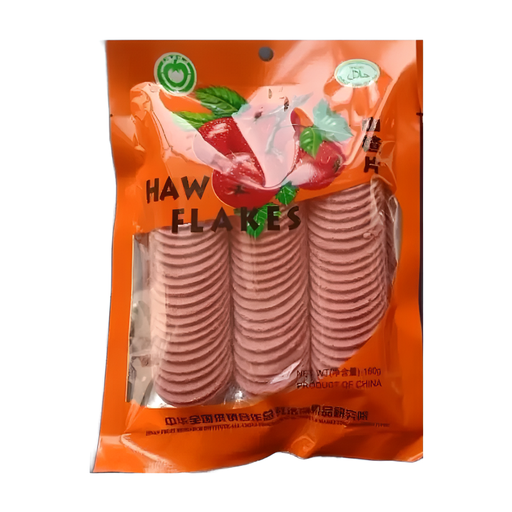 Image unavailable
Apple Brand hawthorn slices, 160 g
A fruity snack option in a 160 g bag, distinct from dried fruit sold without any preparation. If you’re looking for a short ingredients list, check the ingredients; also check the fat and sugar on the product label.
View on Joybuy
 Image unavailable
Haoxiangni pitted red dates, Grade 2, 500 g
The 500 g pack may suit you if you’re preparing a bowl to share. Decide how much you plan to serve, then compare the nutrition information per 100 g and ingredients with those of other pitted red dates.
View on Joybuy
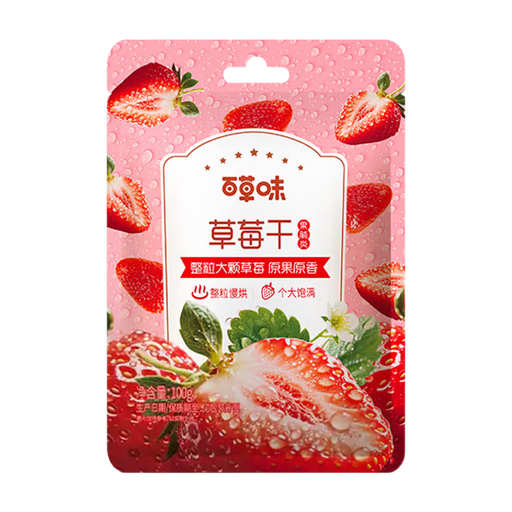 Image unavailable
Be&Cheery dried strawberries, 100 g
A 100 g bag to consider if you’re looking for dried strawberries to add to your bowl. Before sharing, read the ingredients and check for sulphites and the E120 colourant; also compare the sugar and fat per 100 g.
View on Joybuy
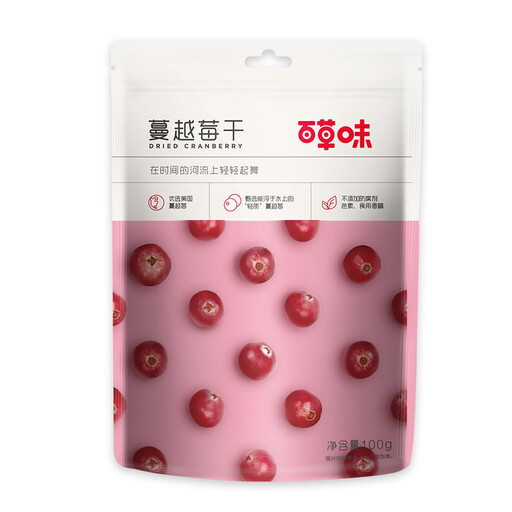 Image unavailable
Be&Cheery dried cranberries, 100 g
This 100 g bag is for anyone looking to add dried cranberries to a bowl. The recipe lists sugar and sunflower oil; check the exact label, especially the “fat” figure, rather than relying on a “fat-free” claim.
View on Joybuy
Frequently asked questions
Does “no added salt” mean “reduced fat”?
No: these claims refer to different criteria. For example, E.Leclerc states that its TOKAPI mix with no added salt contains 25.0 g of fat per 100 g. If you’re looking for a lower fat content, compare the “fat” figure per 100 g across similar products.
How should you compare two bags for a TV night?
First compare their nutrition information per 100 g, then check the ingredients list. The DGCCRF says that presenting information per 100 g makes it easier to compare prepacked foods. It also lets you check fat, sugar and salt separately.
Are unsalted nuts a good choice if you’re looking for a lower-fat snack?
Not necessarily: “unsalted” doesn’t tell you the fat content. Manger Bouger recommends a small handful of unsalted, unsweetened nuts with no chocolate. If comparing fat content is your priority, check the nutrition table for the product you choose too.
Can you serve whole nuts to young children?
Don’t give whole nuts to children under 6. Manger Bouger warns of a risk of inhalation and choking, and suggests serving them in a suitable form, such as ground and mixed into a dish.
What should you check if someone with an allergy will be sharing the bowl?
Check the packaging of the exact bag before serving. The DGCCRF says that allergenic ingredients must be highlighted in the ingredients list on prepacked foods; also read any other allergen information on the product.


