Parents bringing snacks to share at nursery
You want portions that are easy to count and hand out, after checking which foods the nursery allows.


For a nursery snack, first choose a format the setting allows and that takes account of the dietary restrictions of the children involved. The word ‘luxury’ tells you nothing about either of these. If you’re bringing a dessert to share, check how it will be portioned and stored. Individually wrapped cakes can make serving easier, but you’ll still need to read the ingredients and nutritional information.
You want portions that are easy to count and hand out, after checking which foods the nursery allows.
You’ll need to follow the setting’s guidance and check the allergens in the product you’re considering. According to Assurance Maladie, an individualised care plan (PAI) can set out a child’s dietary restrictions in a group-care setting.
You want to read the nutritional information and consider how the cake fits in with the rest of the snack, rather than relying on a tempting-sounding label.
Consider this: if the nursery allows food brought from home and each child needs their own clearly identifiable portion.
Bear in mind: individual wrapping makes serving easier, but doesn’t guarantee that a product is allergen-free or has a particular nutritional profile.
Consider this: for a particular occasion, if the nursery allows this type of dessert and can arrange its storage and serving.
Bear in mind: you’ll need to plan the portions and make sure the setting can check the ingredients for the children concerned.
| What to consider | What to check | Who is this relevant to? |
|---|---|---|
| Nursery rules and allergens | Ask which foods are allowed, then check the allergens on the packet you’ve bought and any restrictions set out in a PAI. | I don’t want to bring a cake that goes against the nursery’s rules or a child’s dietary restrictions. Around 33% of consumers would put this compatibility first when choosing. |
| Nutritional content | Compare the sugar and fat content on the same basis, particularly per 100 g, and check the portion size. | If cake is part of a regular snack, I want to compare its nutritional content without being swayed by the word ‘luxury’. This would be the top priority for around 33% of consumers. |
| Portions and serving | Count the portions actually available and check the packaging and storage instructions. | To serve a group without having to work out the portions on the spot, I need to know how many children each pack will serve. Around 20% of consumers would make this convenience their priority. |
| A snack for a special occasion | If you’re considering a dessert to share, check that the nursery allows its format and storage method. | For a special occasion, I’d like to offer a cake that’s different from the usual snack, provided it can be served in line with the setting’s rules. Around 14% of consumers would prioritise this. |
This label doesn’t tell you how much sugar or fat a cake contains, or what the portion size is. Manger Bouger advises limiting pastries and other foods high in sugar and fat as part of everyday snacks.
Compare the nutritional information on the same basis and take into account the other foods planned for snack time.
A filled cake may contain several allergens. A child’s restrictions may also be set out in a PAI, as Assurance Maladie explains.
Ask the nursery for its guidance and read the label on the pack you’ve bought. Don’t replace a product specified in a PAI with a cake that you simply assume is similar.
Working out the portions, transport and storage can make it harder to hand out a dessert at nursery.
Check which formats are allowed, count how many portions you’ll need and keep the product information available until it’s served.
LU makes biscuits and suggests pairing them with a piece of fruit or a dairy product in its snack-time advice.
St Michel’s snack range includes Doonuts, brownies and galettes. Some products are sold in individual sachets.
Auchan sells soft, chocolate-filled cakes under its own brand in individual sachets.
Carrefour’s pocket-sized cake range brings together products from several brands.
E.Leclerc offers soft Marque Repère snacks in multipacks of different sizes, as well as some products labelled ‘gluten-free’.
These packaged cakes offer different ways to plan portions for a snack. Before choosing, check which formats the nursery allows and read the label on the product you plan to give the children.
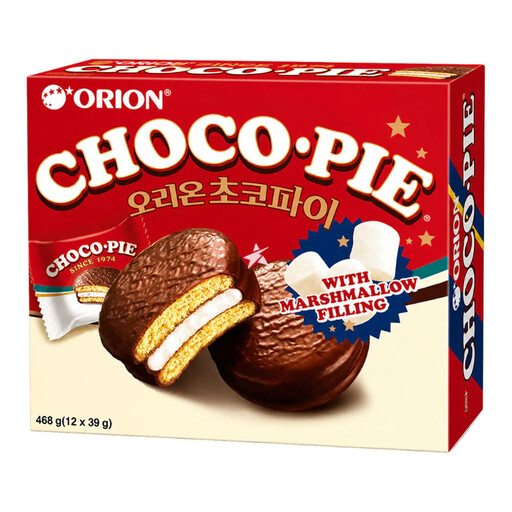 Image unavailable
Worth considering if you’re looking for chocolate-flavoured cakes for a group snack. Before planning how to serve them, check the packet for the number of portions, allergens and nutritional information.
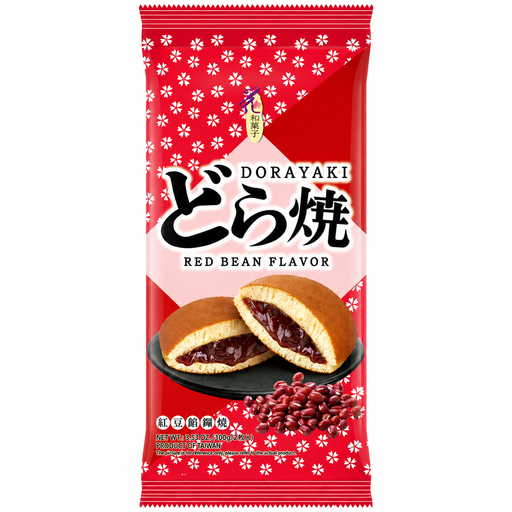 Image unavailable
This dorayaki may be an option if the nursery allows a cake to be shared between several children. The name indicates three pieces weighing 165 g; check the packaging of the unit you’re buying before counting portions, and check its ingredients and allergens too.
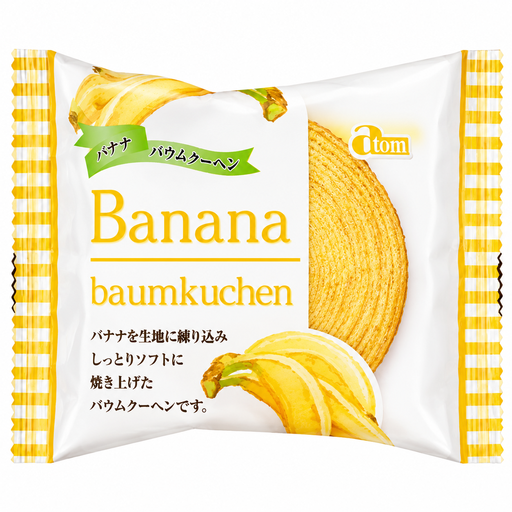 Image unavailable
This 80 g banana cake may be suitable if its format matches the portions the nursery allows. Check the packaging for ingredients, allergens and storage instructions before bringing it in.
First, ask the nursery which foods brought from home are allowed, and what rules apply to storage and serving. If a child has a PAI, Assurance Maladie explains that it can include dietary restrictions that need to be followed.
Read the ingredients list on the packet you plan to bring, then check it against the restrictions of the children concerned. The DGCCRF reminds consumers that allergens must be highlighted on food labels.
The word ‘luxury’ alone doesn’t tell you whether a cake is suitable for nursery. Compare the portion size, ingredients and nutritional information, then check the setting’s rules. Manger Bouger advises limiting foods high in sugar and fat as part of everyday snacks.
First check what the nursery already provides, so you don’t end up bringing two snacks. To add variety to everyday snacks, Manger Bouger suggests options such as fruit, fruit purée or a dairy product, depending on what’s suitable for the children concerned and allowed by the setting.