Parents following a nut-free policy
If your nursery excludes nuts, a snack containing hazelnuts isn’t suitable, even if your child eats them at home. Also check what the policy says about ‘may contain’ warnings.


If your nursery asks you to pack a nut-free lunchbox, leave out hazelnuts and any snacks that contain them. Hazelnuts are tree nuts, whether they’re plain, roasted or organic. Choose a different snack after checking the nursery’s guidance and the label on the product you’ve bought. If your child has a known allergy, follow the individual arrangements in place for them. Even when nuts are allowed, avoid whole hazelnuts for children under 4 because of the risk of accidental inhalation highlighted by the French Association of Ambulatory Paediatrics.
If your nursery excludes nuts, a snack containing hazelnuts isn’t suitable, even if your child eats them at home. Also check what the policy says about ‘may contain’ warnings.
Your child’s snack should follow the arrangements agreed with the nursery and healthcare professionals. A general claim that a product is allergen-free doesn’t replace checking the packaging of the product you’ve bought.
Even if the nursery allows nuts, your child’s age and the form of the snack matter. The French Association of Ambulatory Paediatrics lists hazelnuts among the plant-based foods involved in accidental inhalation incidents in children under 4.
When packing a nursery lunchbox, start with the nursery’s guidance, then check the snack packaging and its form. Even if an alternative’s ingredients don’t list hazelnuts, it still needs to meet the rules that apply to your child, including any requirements relating to possible traces.
| What matters | What to check | Who is this for? |
|---|---|---|
| Nursery policy | Ask whether the policy excludes hazelnuts, all nuts, and products with ‘may contain’ warnings. | If the nursery excludes nuts, I want to pack a snack that follows its policy, even if my child eats hazelnuts at home. Around 46% of consumers would put this shared rule first. |
| Individual avoidance requirements | Compare the ingredients and any trace warnings on the packaging of the product you’ve bought with the guidance in place for your child. | If my child has a dietary restriction, I need to check the exact product before sending it to nursery. Around 36% of consumers would make this their priority. |
| Form of the snack | Check the snack’s form and what the nursery is happy to serve; avoid whole hazelnuts for children under 4. | When nuts are allowed, I’m mainly looking for a snack in a form that’s suitable for my young child, without giving them whole hazelnuts. Around 18% of consumers would put texture first. |
Hazelnuts are still nuts, however they’re presented. Carrefour Bio’s hazelnut product information also warns that the product may contain traces of peanuts and other nuts.
If the nursery excludes nuts, choose a different type of snack and check its ingredients and any trace warnings against the guidance you’ve been given.
Your child’s tolerance doesn’t determine the rules for the nursery group. Shared policies or individual care arrangements may set limits on the snacks you can bring in.
Ask the nursery for its guidance before packing the lunchbox, including what to do about products with trace warnings.
The French Association of Ambulatory Paediatrics lists hazelnuts among the plant-based foods involved in accidental inhalation incidents in children under 4.
Avoid whole hazelnuts before this age. Any other form must still be allowed by the nursery: grinding a hazelnut doesn’t remove the allergen.
These hazelnut products show why a range name alone isn’t enough to establish whether something meets a nut-free policy.
The range includes shelled hazelnuts.
The range includes shelled, roasted organic hazelnuts.
The brand’s range includes shelled hazelnuts.
These fruit pouches, fruit purées and fruit wafers are ideas for replacing a hazelnut snack in a nursery lunchbox. Their inclusion here doesn’t confirm that they’re suitable for a specific dietary restriction. Check the label on the pack you’ve bought, any trace warnings and the nursery’s guidance before choosing.
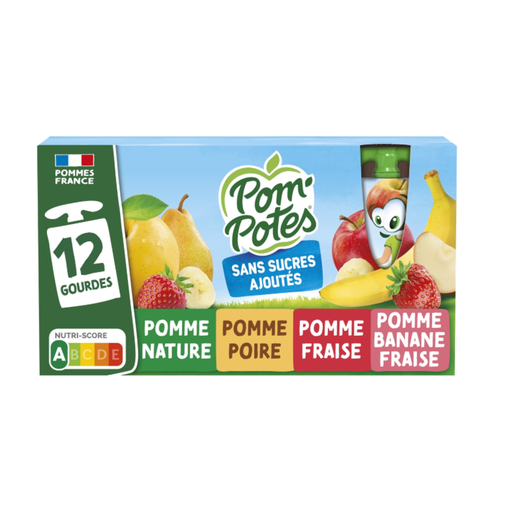 Image unavailable
Pouches may be suitable if the nursery allows this type of snack. The ingredients and any trace warnings on the pack you’ve bought must meet its guidance.
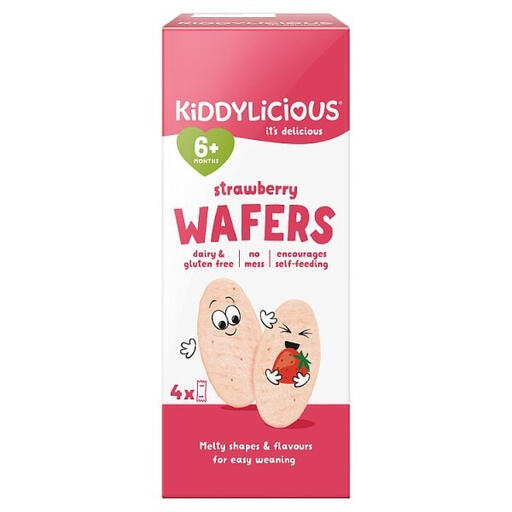 Image unavailable
These wafers are worth considering if the nursery allows this type of snack. Before offering them to your child, check the packet for ingredients, trace warnings and age guidance.
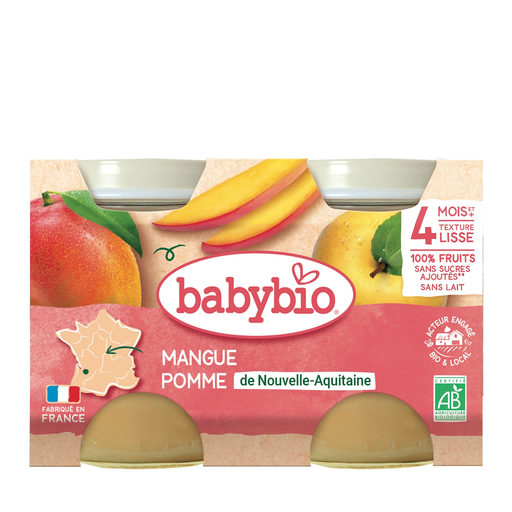 Image unavailable
With pots, you’ll need to make arrangements with the nursery for serving the fruit purée. The age guidance is included in the product name; also check the ingredients and any trace warnings on the pots you’ve bought.
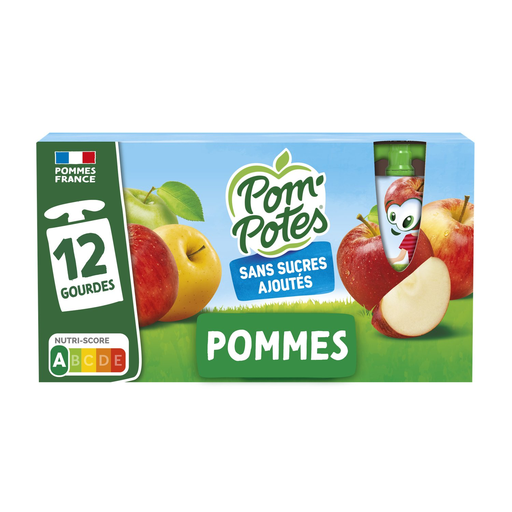 Image unavailable
These apple pouches are another type of snack to discuss with the nursery. Check the label on the pack for ingredients and any possible traces, as well as age guidance, before choosing them.
No. Hazelnuts are nuts themselves: Carrefour and Monoprix Courses’ hazelnut product information lists them as an ingredient. Serving them plain, roasted or organic doesn’t change that.
Avoid whole hazelnuts for children under 4. The French Association of Ambulatory Paediatrics lists them among the plant-based foods involved in accidental inhalation incidents in young children. Checking the form doesn’t replace checking allergens and the nursery’s rules.
Read the ingredients list on the product you’ve bought, then check any trace warnings against the guidance that applies to your child. The DGCCRF (France’s consumer protection and fraud control authority) reminds shoppers that allergenic ingredients must be highlighted on labels. Don’t rely solely on the snack’s name or an old product listing.
Agree on care arrangements and permitted snacks with the nursery and the healthcare professionals looking after your child. The French Ministry of National Education explains that individual care plans also apply to establishments and services for young children, including nurseries and micro-nurseries. Follow the guidance in place for your child, not the arrangements made for another family.