Carers looking to serve a small portion
You want an easy-to-measure amount of chocolate, without making a whole bar the default snack. For children aged 4 to 17, Manger Bouger suggests bread with a few squares of chocolate as one snack idea.


If you’re looking for a small portion of chocolate for a snack, a mini bar or a few squares is a more straightforward choice than a chocolate cereal bar, which has a different recipe. For serving at a nursery, you’ll also need to consider portion weight, the sugars listed on the label, allergens and the setting’s guidelines. Individual packaging alone doesn’t mean a product is suitable for the children in your care.
You want an easy-to-measure amount of chocolate, without making a whole bar the default snack. For children aged 4 to 17, Manger Bouger suggests bread with a few squares of chocolate as one snack idea.
Before serving food to a group, check the ingredients and allergens in the specific product against the dietary requirements of the children in your care and your nursery’s guidelines. Recipes and precautionary statements can vary between products.
Pre-portioned items can make serving easier. However, check whether you’re choosing chocolate, a chocolate bar with other ingredients or a cereal bar: the outer format doesn’t tell you what’s in it or how much you’ll be serving.
Start by checking what type of product it is and how much you plan to serve, then check dietary requirements before choosing a convenient format. A mini chocolate bar, a chocolate bar and a chocolate cereal bar aren’t interchangeable.
| Consideration | What to check | Who is this for? |
|---|---|---|
| Portion size and the role of chocolate | Weight of the portion actually served; sugars per portion and per 100 g. | If I want to add a little chocolate to a varied snack, I need to be able to set the portion size rather than automatically giving out a whole bar. Around 42% of consumers put portion control first. |
| Allergens and dietary guidelines | Ingredients, allergens and ‘may contain’ statements on the pack you buy; nursery guidelines. | When children have dietary requirements, I need to make sure the specific product meets them before serving it. This is the main priority for around 33% of consumers. |
| Serving individual portions | Number and weight of portions; whether each one is individually wrapped. | When preparing several snacks, I look for portions that are easy to share out, while making sure the recipe and quantity are right for what’s planned. Ease of serving comes first for around 25% of consumers. |
Two products shaped like bars can have different recipes. Nestlé Céréales lists 5.4 g of sugars for a 25 g Nesquik bar and 5.6 g for a 25 g Chocapic bar. These figures are for cereal bars, not portions of plain chocolate.
Check the product description and compare nutritional information on a like-for-like basis, per portion and per 100 g, before choosing the format you want.
The Côte d’Or milk chocolate and hazelnut bar listed by Carrefour contains hazelnuts and may contain other nuts. Lindt France says that none of its products is guaranteed to be free from nut allergens. These examples don’t tell you what’s in another product.
Check the information on the packaging of the batch you buy, and follow the dietary guidelines for the children and the nursery.
Santé publique France explains that displaying it is voluntary. If it appears on a product, it doesn’t tell you about allergens or the amount you’ll be serving.
To compare like with like, also check the ingredients list, nutritional information and portion weight.
A product can be easy to hand out without being the right size for your needs: the Côte d’Or milk chocolate and hazelnut bar listed by Carrefour weighs 45 g. The packaging also doesn’t address dietary requirements.
Decide on the portion you plan to serve and check its weight and ingredients, even when each item is individually wrapped.
The Mini Tablettes are an example of portioned milk chocolate, unlike a cereal bar or biscuit.
The Nesquik and Chocapic products are chocolate cereal bars, not mini chocolate bars.
The milk chocolate and hazelnut bar listed by Carrefour is an individually wrapped chocolate snack that’s larger than the small portions some snacks call for.
If nut allergies are a concern, check the ingredients of each Lindt chocolate product individually.
These products include chocolate bars and chocolate-coated wafer or biscuit snacks. For a nursery snack, first choose the type of product and portion size you want, then check the packaging and dietary requirements before serving.
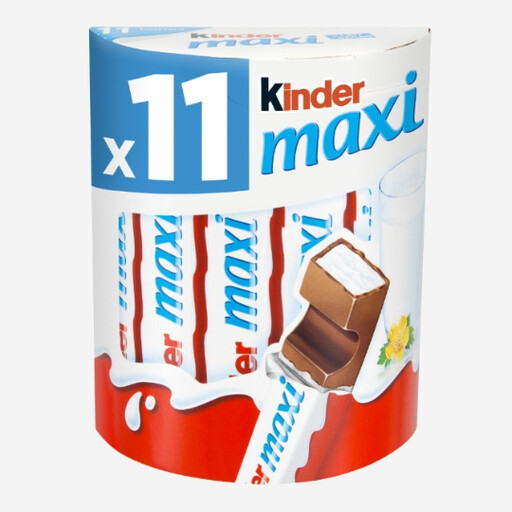 Image unavailable
Worth considering if you want to hand out chocolate bars rather than serve a bar to break into squares. The pack contains 11 bars and weighs 231 g in total. Check the packaging to see whether each bar is individually wrapped, and check the sugars per portion and allergens before serving.
 Image unavailable
Consider this if you’re looking for small chocolate treats rather than plain chocolate: this KitKat product includes a wafer and has a Strawberry Short Cake recipe. The pack contains 9 pieces and weighs 104.4 g in total. Check the label for sugars per piece and allergens before adding it to a snack.
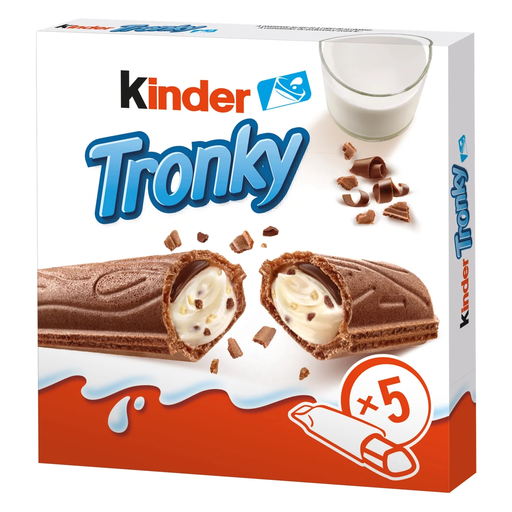 Image unavailable
This format may suit you if you’re looking for individually portioned chocolate wafers rather than plain chocolate. The pack weighs 90 g. As this product contains hazelnuts, check the group’s dietary requirements, as well as the portion size and sugars listed on the packaging.
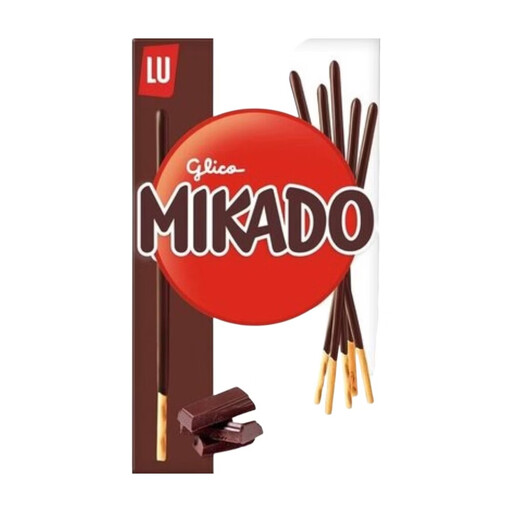 Image unavailable
Worth considering if you’re planning to serve a chocolate-coated biscuit rather than a mini chocolate bar. The pack weighs 75 g. Decide how many sticks to serve, and check the allergens and nutritional information on the packaging.
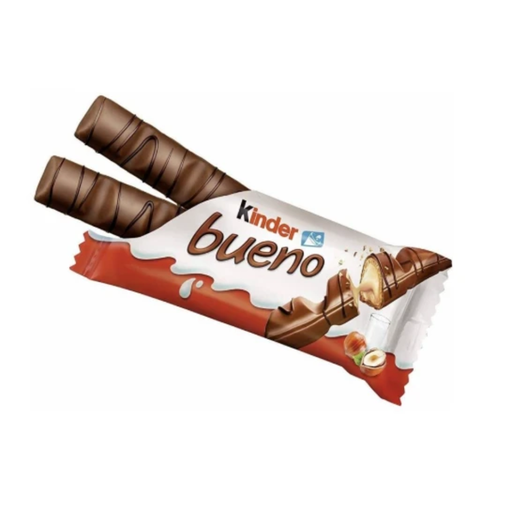 Image unavailable
This chocolate bar with wafer and hazelnuts is a confectionery snack, not plain chocolate. The product weighs 44 g. Before serving it to a group, check how many pieces are included, whether they’re individually wrapped, the portion you’ll actually serve and any dietary requirements, particularly those relating to hazelnuts.
No. The French Ministry of the Economy describes this levy as a tax on sugary drinks. To compare chocolate or bars, check the product type and the nutritional information on the packaging instead.
No. Santé publique France explains that producers display it voluntarily. If it appears on a product, it can help you read the label, but it doesn’t replace the ingredients, allergens or nutritional information.
First check the product description and how much you’ll be serving, then compare sugars per portion and per 100 g, as well as allergens. Don’t assume that a wafer bar, cereal bar and mini chocolate bar have the same recipe just because they’re all individually portioned.
Individual packaging doesn’t determine what else should be included in a snack. For children aged 4 to 17, Manger Bouger recommends offering a variety of options and suggests bread with a few squares of chocolate. For children in your nursery, also take their age and the setting’s dietary guidelines into account.