
Livraison le jour même ou le lendemain

Qualité garantie

Débloquez vos offres de bienvenue: Livraison GRATUITE | Jusqu'à -80 % | 30 jours d'essai gratuits à JoyPlus
Téléchargez l'application
A notebook or notepad isn’t just about the cover or the colour. At school, in the office, on the commute or for sketching, the wrong format can quickly become bulky, fragile or impractical. Before you buy, it’s worth checking the binding, paper, dimensions and internal layout.
A product boasting a high page count isn’t necessarily the best fit. You need to distinguish between sheets and pages: one sheet usually has two sides. So a notepad with 80 sheets may have 160 pages, while a school exercise book with 96 pages often equates to 48 sheets.
For everyday note-taking, also look at the writing space around the lines. A small pocket notebook is perfect for jotting down an idea on the go, but it’s less comfortable for writing out a full lecture or a report.
A hard cover protects the contents better in a bag, but it also adds weight. Stapled binding remains lightweight and works well for a school exercise book dedicated to one subject. A spiral notebook, on the other hand, usually lies flat and allows you to turn pages quickly. The downside is that the spiral can snag in a pocket or become misshapen under heavy pressure.
The right choice depends on how you’ll use it, not just on how the product looks.
Claims like “superior quality” aren’t enough to compare two notebooks. Look for concrete details: paper weight, ruling type, paper colour and format. 70 gsm paper is generally fine for light writing, while 100 gsm paper offers more substance. For watercolour or certain wet techniques, 200 gsm is more suitable, though it won’t suit every artistic purpose.
Seyès ruling is particularly suited to handwritten schoolwork in France. A lined notebook works well for writing, reports or a journal, while grid paper makes it easier to create tables, graphs and calculations. For drawing, go for blank pages and check the paper weight.
A dated school diary follows a fixed calendar. In contrast, an undated planner can be started at any time and avoids leaving unused pages when your habits change.
A hard cover withstands knocks in a bag better. A polypropylene or PVC cover can protect against splashes, but it doesn’t make the notebook waterproof. An elastic closure, a bookmark or an inner pocket are also handy for keeping the notebook shut and storing a few loose sheets.
For a more responsible purchase, check the certifications that are actually listed, such as PEFC or FSC. A paper certification doesn’t automatically mean the whole product is certified.
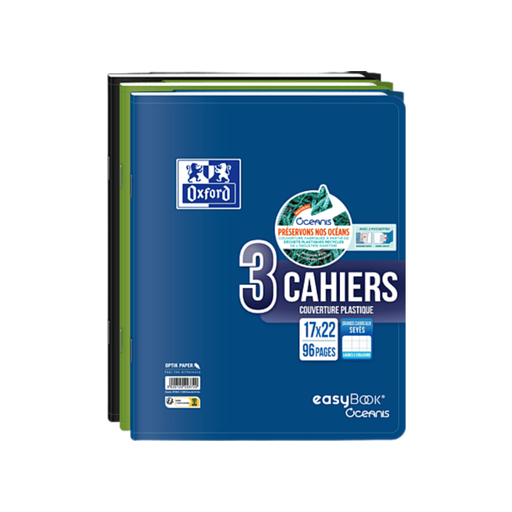
Why this choice suits this profile: This pack of three school exercise books in the 17 × 22 cm format lets you organise subjects without buying individual books. The Seyès ruling is ideal for exercises and handwriting.
The dimensions, page count and ruling are clearly stated. The size fits most school bags and folders.
A pack of three exercise books, 96 pages per book, stapled binding and Seyès ruling.
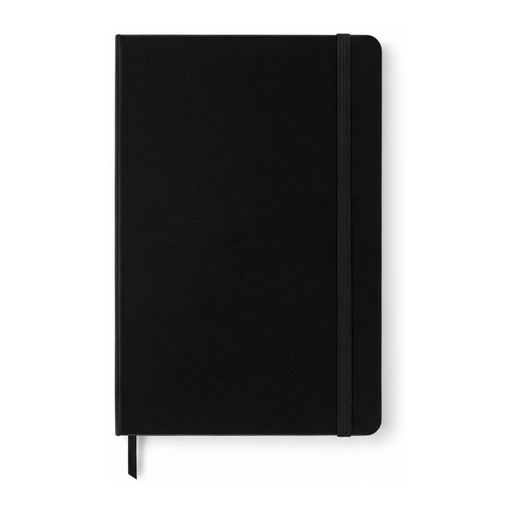
Why this choice suits this profile: Its hard cover, 180° lay-flat opening and large format provide a structured support for projects, creative journaling or professional notes.
The key specifications are verifiable: 70 gsm acid-free ivory paper, elastic closure, bookmark and inner pocket.
A hard cover, blank pages, lay-flat opening and paper from FSC certified sources according to the product sheet.
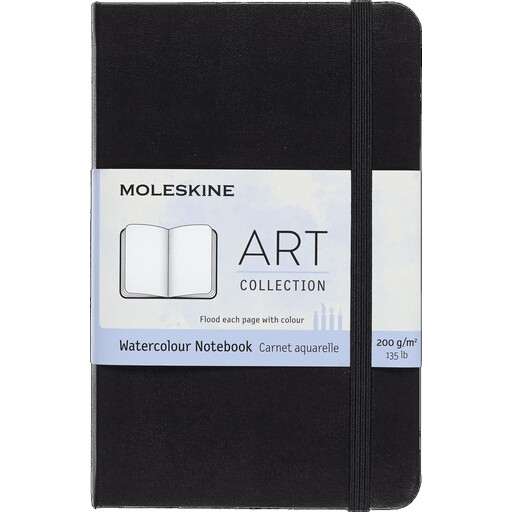
Why this choice suits this profile: This compact sketchbook is designed for on-the-go use, quick sketches and experimenting with media that need thicker paper.
The 200 gsm paper weight is clearly stated. This sets it apart from a lined notebook designed only for pen or pencil.
A pocket format, hard cover, elastic closure and 200 gsm acid-free white paper.
We’ve put together a comprehensive, real-time updated list of products that fully meet these strict selection criteria and European safety regulations.
An exercise book is usually associated with school use or a larger capacity. A notebook is often more compact and versatile, particularly for jotting down ideas, lists, journal entries or professional notes. The distinction, however, depends on the manufacturer and the format.
For everyday use, 70 to 100 gsm paper is generally fine. If you use felt-tips, markers or wet techniques, check the paper’s resistance and consider a higher weight. Paper weight alone doesn’t guarantee no show-through with all inks, though.
Store them in a dry place, avoid forcing the binding and use the elastic closure when available. An inner pocket can also protect loose sheets and reduce damage from being carried around.