
Livraison le jour même ou le lendemain

Qualité garantie

Débloquez vos offres de bienvenue: Livraison GRATUITE | Jusqu'à -80 % | 30 jours d'essai gratuits à JoyPlus
Téléchargez l'application
Choosing a notebook or diary isn’t just about comparing a cover or a colour. Between the undated planner, the notebook, the sketchbook and the everyday office stationery, the format, paper and binding all directly affect how comfortable it is to use and how long it lasts.
Some disappointing purchases are actually quite predictable. Here are the main pitfalls to avoid before you fill your basket.
The A5 format, measuring roughly 14.8 × 21 cm, suits students, teachers and professionals who need a comfortable surface for meetings, classes or journaling. It’s still compact enough to slip into most bags.
The A6 format, around 10.5 × 14.8 cm, is all about portability. It works well for a notebook, a to-do list or jotting down ideas on the go. For a detailed sketchbook, it’s better to go up to A4 or A3, which are far more comfortable.
French school formats, such as 17 × 22 cm or 24 × 32 cm, are particularly handy for homework, lessons and school stationery. Also make sure the notebook will fit properly in your folder or bag.
The ruling should match the way you write:
Paper weight is a good indicator, but it’s not everything. 100 gsm paper feels more substantial than 70 gsm, while 140 gsm paper is better suited to certain dry techniques and light watercolour. For artistic use, check the manufacturer’s recommendations and test it with your materials.
A spiral binding usually lets you open the notebook flat and turn pages quickly. It’s well suited to students and heavy note-taking, even if the spiral can be a bit bulkier in a pouch.
A sewn or integral binding opens nicely and holds up well, especially on a hardcover notebook or a diary. A hard cover protects the pages better in a bag, while a soft cover is generally lighter.
Finally, check what accessories are actually included: elastic closure, bookmark, pen loop, inner pocket or flaps. These details can make daily use more convenient, but they don’t replace checking the size and paper type.
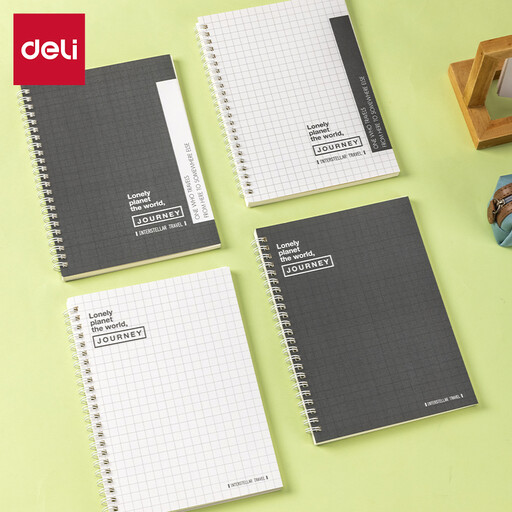
Why this choice suits this profile: This pack of four A5 notebooks lets you separate your classes, projects, lists and personal notes without having to buy more.
The size and quantity are clearly stated: you can plan for several uses instead of buying a single notebook that will fill up too quickly.
A5 format, spiral binding, 80 sheets per notebook and a pack of four.
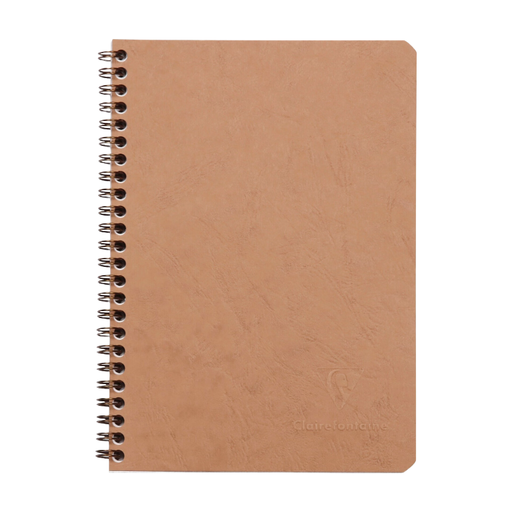
Why this choice suits this profile: Its textured hard cover and lay-flat opening will appeal to those looking for a durable notebook for writing, travelling or keeping a diary.
The integral binding opens 180 degrees, which minimises any discomfort at the centre when writing regularly.
100 pages, Clairefontaine Vélin Velouté 90 gsm paper, small squares and made in France.
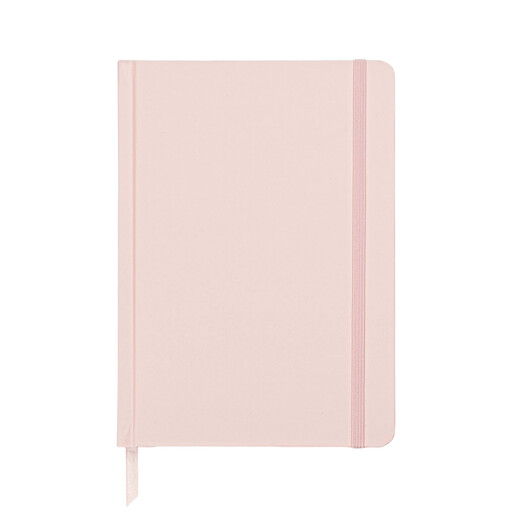
Why this choice suits this profile: This undated planner is ideal for professionals, students and anyone who wants to plan their goals over a long period without being tied to a fixed calendar.
The lack of pre-printed dates means you won’t leave pages unused if you start mid-year or your pace changes.
112 sheets, 100 gsm lined paper, monthly and weekly views, hard cover, elastic closure and bookmark.
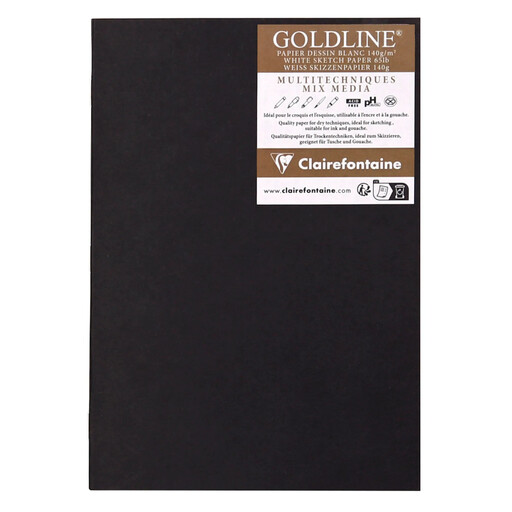
Why this choice suits this profile: This sketchbook is aimed at artists and sketchbook enthusiasts who need a large surface for their studies, sketches and different techniques.
Its 140 gsm paper is designed for dry techniques and watercolour, not for simple note-taking.
A3 format, 20 sheets, multi-technique white paper and sewn binding for lay-flat opening.
We’ve put together a comprehensive, real-time selection of products that meet these exacting criteria, while complying with European safety regulations.
A5 offers a good balance between writing space and portability. If you have lots of appointments or need to write detailed notes, a larger size will be more comfortable. A6 is better suited to quick reminders and being on the move.
Yes, if you want to organise goals, revision or projects independently of the school holiday calendar. For keeping up with lessons day by day, a dated school diary is usually clearer and more practical.
A notebook is mainly for recording practical information, ideas or tasks. A diary is more about personal, regular writing. The choice depends largely on the ruling, size, how private you want it to be and the type of cover.