
Livraison le jour même ou le lendemain

Qualité garantie

Débloquez vos offres de bienvenue: Livraison GRATUITE | Jusqu'à -80 % | 30 jours d'essai gratuits à JoyPlus
Téléchargez l'application
A notebook can accompany a lesson, help you prepare for a meeting, serve as a personal journal or capture creative ideas. Yet some purchases quickly lose their appeal: an impractical size, a cover that warps, paper that lets ink bleed through or accessories that are more decorative than useful.
Before choosing a lined notebook or an A5 notebook, it is worth taking a closer look at the features that will genuinely make a difference in everyday use. Here are the main criteria to consider, followed by a selection designed for several types of user.
Product listings sometimes refer to pages and sometimes to sheets, which can be confusing. A notebook advertised as having 96 sheets will generally contain 192 pages, counting both the front and back. By contrast, a model described as having 96 pages offers half the capacity. This is an important distinction for students, professionals and anyone who writes every day.
A hard cover protects the sheets better in a bag, but it also takes up more space and weighs more. A soft cover or a simple lined notebook is easier to carry, though less resistant to rubbing and wear. For use on the go, a notebook with an elastic strap can keep the pages securely closed and prevent small documents from slipping between the sheets.
Paper that is too thin can be unpleasant to use with a fountain pen, felt-tip pen or certain liquid-ink pens. The 100 g/m² specification is a useful indication of thickness, although it does not guarantee the same results with every writing instrument. The ruling should also suit the intended use: large squares for lessons, horizontal lines for writing, or blank pages for drawing and creating diagrams.
For a notebook intended for students, also remember to check that it is compatible with the bag and folders used every day. The large format is very comfortable for taking detailed notes, but may be less convenient on public transport.
A lined notebook with 100 g/m² paper is generally suitable for regular writing and several types of pen. Off-white pages can sometimes soften the impression of overly strong contrast, while white paper makes photocopies and colour annotations easier to read.
The Clairefontaine model shown below uses 90 g Vélin Velouté paper and Séyès ruling, also known as ‘large squares’. This ruling is particularly common for exercises and structured note-taking. The product listing also mentions that it is made in France and that the paper is PEFC-certified; these details should nevertheless be distinguished from any general claim about the product’s sustainability.
A hard cover provides valuable protection when you are travelling. A bookmark helps you quickly find a specific page, while an elastic strap prevents the notebook from opening in your bag. A pen loop can also save you from carrying an additional accessory.
For a digital tablet intended for note-taking, the decisive factor remains exact compatibility with the model. A case designed for a different screen size or another device may not hold the tablet securely, even if its dimensions appear similar.
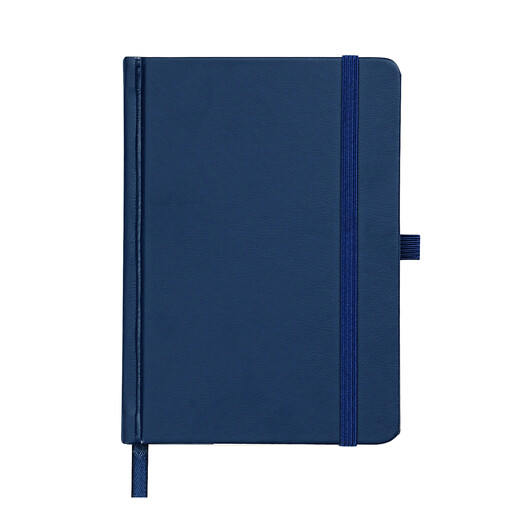
Why this choice suits this profile: Its compact size is perfect for lists, quick notes and your first journalling experiences, without taking up too much room in your bag.
The listing specifies 100 g lined offset paper, a hard PU cover and 80 sheets. This makes it easy to check the exact capacity before placing your order.
A6 size, bookmark, elastic closure and pen loop.
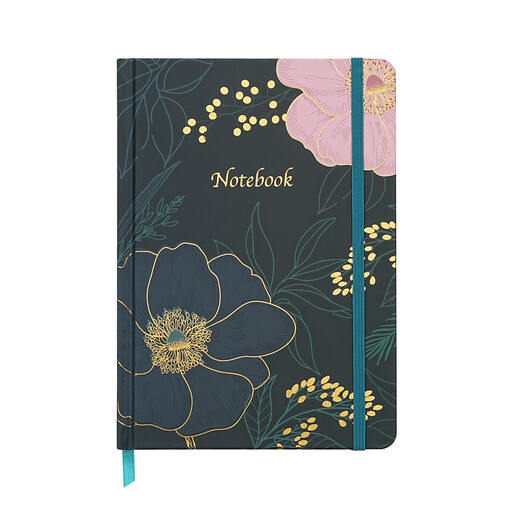
Why this choice suits this profile: Its decorated hard cover and A5 size combine a refined look with enough space for a personal journal or professional notes.
The specifications detail the size, 100 g paper weight, number of sheets and accessories. Your purchase is therefore based on more than just the notebook’s appearance.
192 pages, lined ruling, ribbon bookmark and elastic band.
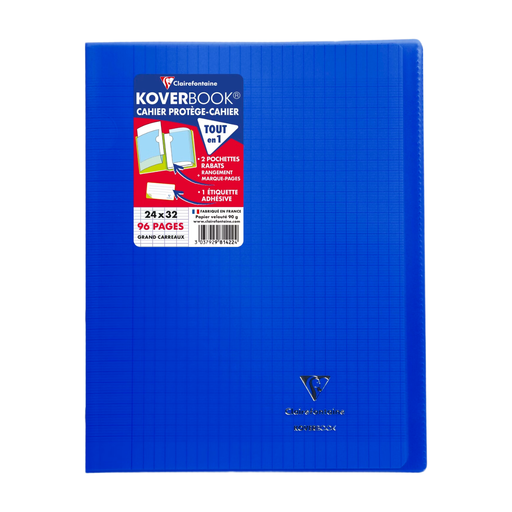
Why this choice suits this profile: Measuring 24 × 32 cm, it provides a comfortable writing surface for lessons, project files, plans and professional note-taking.
Its transparent polypropylene cover includes two pocket flaps for storing sheets or marking pages, so there is no need to add a separate case.
96 pages, 90 g Vélin Velouté paper, Séyès ruling and customisable self-adhesive label.
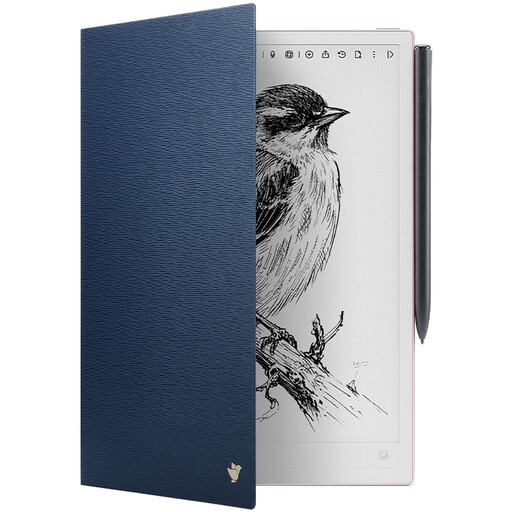
Why this choice suits this profile: This accessory is aimed at anyone moving from a paper notebook to a compatible tablet for work or travel.
It is specifically advertised for the 10.65-inch iFLYTEK AINOTE 2. Make sure you check the model before ordering: compatibility is not universal.
Magnetic attachment, velvet interior, slim design, and automatic wake and sleep functions when opening and closing.
We have brought together a complete, real-time updated selection of products that meet these exacting criteria and European safety requirements.
A5 is suitable for most meetings, lists and journalling sessions. For lessons involving diagrams, tables or exercises, a large-format notebook measuring 24 × 32 cm offers greater comfort. A6 is better suited to reminders and ideas that need to be noted down quickly.
Its lifespan depends on how often it is used, the number of sheets, the type of binding and the conditions in which it is carried. A hard or polypropylene cover protects the contents better than a very thin cover. To help preserve it, keep the notebook away from moisture and avoid overloading it with documents that are too thick.
These accessories are practical if you refer to your notebook frequently or carry it in a bag. The bookmark helps you quickly find a section without folding the sheets, while the elastic strap keeps the notebook closed. Whether you are using a personal journal or a professional notebook, they help reduce wear caused by repeated handling.