
Livraison le jour même ou le lendemain

Qualité garantie

Débloquez vos offres de bienvenue: Livraison GRATUITE | Jusqu'à -80 % | 30 jours d'essai gratuits à JoyPlus
Téléchargez l'application
Even in our all-digital age, the notebook remains an irreplaceable tool for organising your thoughts, taking meeting notes, or studying for classes. Yet, choosing the right one can often feel like an uphill battle. Paper so thin that ink shows through, a binding that falls apart after a few weeks... These are all-too-common frustrations that turn a simple purchase into a source of annoyance.
As a Product Specialist at Joybuy, I'm here to help you make sense of it all. Let's set aside the marketing jargon and focus on what really matters. Together, we'll break down the most common pitfalls and the objective criteria for finding the notebook that will truly meet your needs.
To avoid falling into these traps, you just need to check three simple but decisive technical features.
Paper weight, expressed in grams per square metre (g/m? or GSM), defines the paper's thickness and opacity. It's the number one criterion for preventing ink bleed-through.
The way the pages are bound directly influences how you'll use your notebook day-to-day.
To put theory into practice, here are a few models that check all the right boxes, depending on your profile.
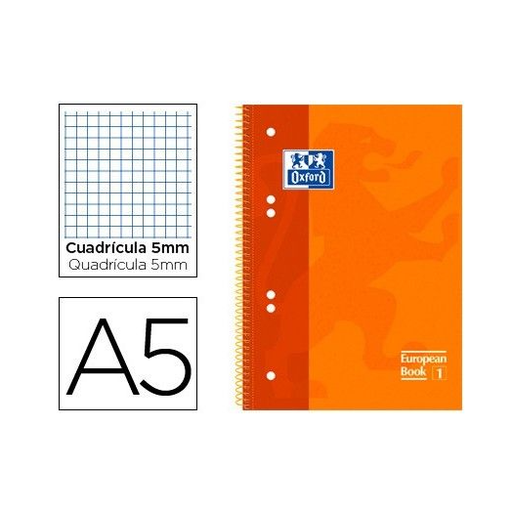
Why we chose it: Designed for heavy use, this notebook is the perfect ally for students who fill up pages. Its spiral binding allows it to be folded back completely, a major plus in a crowded lecture hall. The grid paper is perfect for science-based subjects.
Its extra-rigid cover protects the pages inside a backpack. The Optik Paper is renowned for its opacity, which definitively solves the problem of ink bleed-through. The spiral is sturdy and doesn't bend easily.
High-quality Optik Paper and micro-perforated pages for cleanly tearing out study notes.
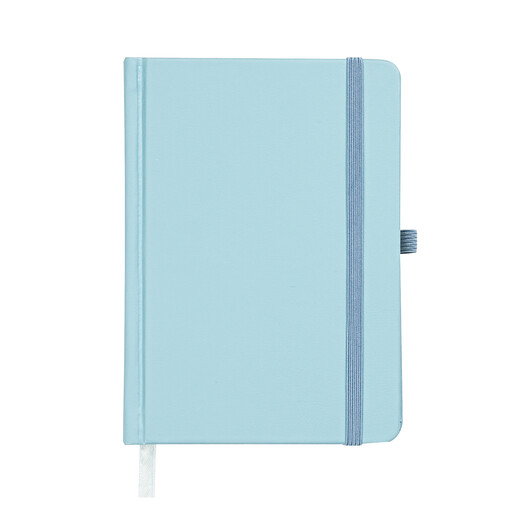
Why we chose it: Its compact A6 size and understated look make it the ideal companion for both the office and travel. It slips into a jacket pocket or a small bag, ready to capture a sudden idea or meeting minutes.
The 100g paper handles fountain pen ink very well without feathering. The hardcover in PU and the elastic closure protect the pages from daily wear and tear.
The little extras that make a difference: a ribbon bookmark, an elastic closure, and a pen loop.
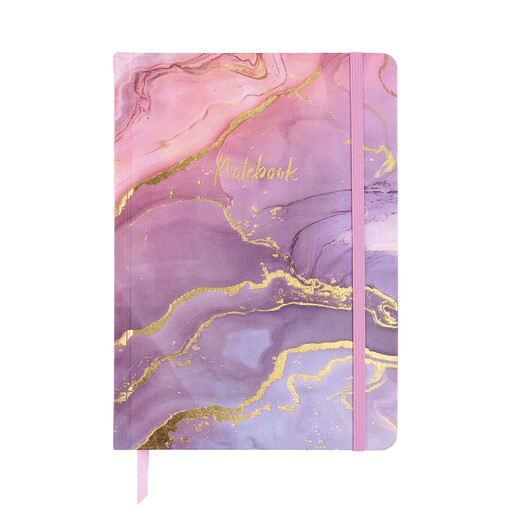
Why we chose it: For those who see a notebook as more than just a tool, this model is a truly personal item that combines aesthetics with quality. Its fabric cover is pleasant to the touch, and its design makes it a beautiful object to keep on a desk or give as a gift.
Here, style doesn't come at the expense of quality. The cover is rigid and protective, while the 100g ivory paper offers a very smooth writing experience, perfect for a personal journal.
The combination of a refined design (fabric cover, gold details) and high-quality paper for a truly premium writing experience.
Explore our full selection of notebooks and notepads, all vetted against these demanding criteria.
The difference is noticeable both to the touch and in use. An 80 g/m? paper is thinner and slightly rougher, ideal for daily use with a ballpoint pen. A 100 g/m? paper is visibly thicker, smoother, and more opaque. It provides a much more pleasant glide and virtually eliminates any show-through, even with a fountain pen.
The choice depends on your use case. Opt for a spiral notebook if you need to fold it completely back on itself to write while standing or in a tight space. It's also the right choice if you frequently tear out pages. Choose a sewn binding for its durability and if you enjoy writing on a perfectly flat two-page spread. It is also often seen as more elegant for an office notebook.
If your notebook is going to travel a lot (at the bottom of a bag, in a briefcase), a hardcover is highly recommended. It protects the pages from impacts, prevents the corners from getting dog-eared, and maintains a pristine look for longer. For stationary use on a desk, a softcover may be perfectly adequate.