
Livraison le jour même ou le lendemain

Qualité garantie

Débloquez vos offres de bienvenue: Livraison GRATUITE | Jusqu'à -80 % | 30 jours d'essai gratuits à JoyPlus
Téléchargez l'application
Finding the right notebook might seem trivial. Yet, with the jungle of available options, making the right choice is a real challenge. Whether you're a professional juggling projects, a student deep in study sessions, or a creative capturing flashes of inspiration, the surface you write on is crucial. Paper that bleeds ink, an impractical cover, or an unsuitable size can quickly kill productivity and inspiration.
This guide is here to help you navigate the options. Our mission: to give you all the keys to choosing the notebook that perfectly suits your needs, without drowning you in marketing jargon.
Before diving into our selection, let's review the essential criteria for making the right choice.
The paper is the soul of your notebook. Its weight, or grammage, expressed in grams per square meter (g/m?), directly impacts your writing experience.
Also consider the ruling: a lined notebook is perfect for structured note-taking, while blank or dotted pages offer more freedom for drawing or keeping a personal journal. Certifications like FSC or PEFC ensure that the paper comes from sustainably managed forests.
The cover protects your writing, but it also defines the style of your notebook.
The binding is just as crucial. A saddle-stitched (stapled) binding is simple and economical, while a sewn binding allows the notebook to lay flat at 180°, which is ideal for writing comfortably across the entire page.
The size of your notebook should fit your daily life.
After the theory, let's get practical! Here is our selection of notebooks that caught our eye, each for very specific reasons.
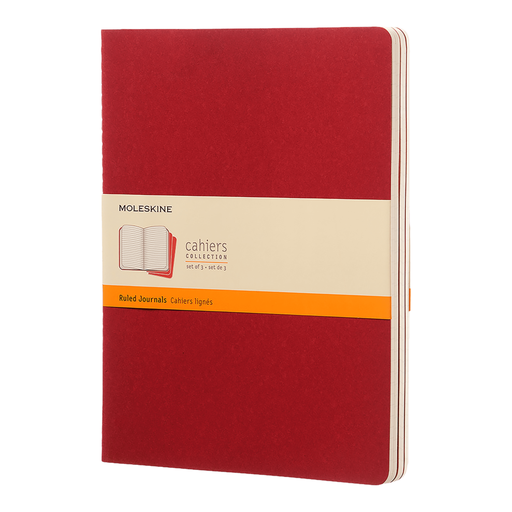
Why it stands out: This set of three notebooks features a customisable cover and exposed Singer stitching on the spine, an artisanal detail that enhances its durability. Sold in a pack of three, it's a cost-effective and practical solution for dedicating a notebook to each project.
Pros:
Who is it for? Professionals, creatives, and students who are juggling multiple subjects and appreciate having a dedicated notebook for each one. It also makes an excellent gift.
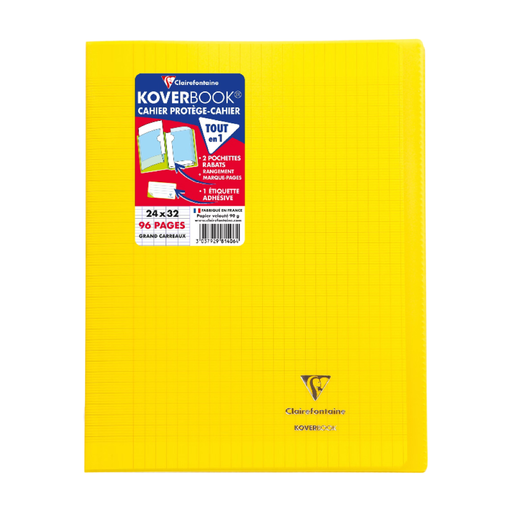
Why it stands out: The Koverbook is a clever all-in-one concept. It merges a Clairefontaine notebook and a notebook protector into a single product. Its transparent and durable polypropylene cover includes two large flaps for storing documents.
Pros:
Who is it for? Students and anyone who needs a sturdy notebook for heavy use. Its 2-in-1 concept is a real bonus for those who tend to accumulate loose papers.
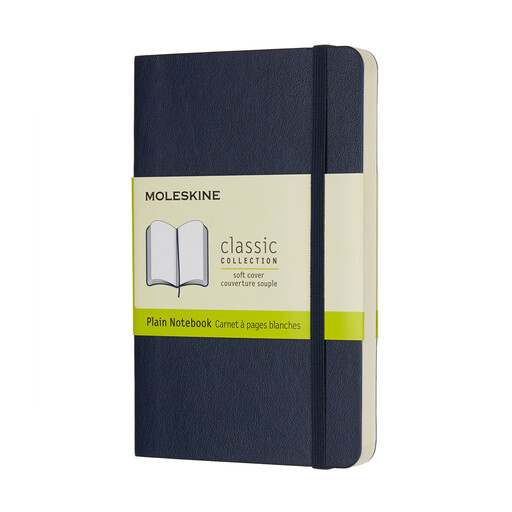
Why it stands out: This version of the classic Moleskine notebook combines the brand's iconic elegance with the flexibility of a softcover. It's designed to be an everyday companion that is both discreet and functional.
Pros:
Who is it for? Nomads, writers, artists, and anyone who loves to keep a diary or capture their thoughts on the go. Its flexibility makes it a discreet and very pleasant tool to handle.
Our selection highlights models for very specific uses. If you want to explore other sizes or designs, or even furnish the space that will house your future notes, feel free to browse our other selections, like our guide on blinds and curtains for the living room.
The main difference lies in the paper. Clairefontaine is renowned for its 90 g/m? paper, which is very white and smooth, making it ideal for fountain pens. Moleskine generally opts for a 70 g/m? ivory-coloured paper that is thinner and lighter, but less forgiving with liquid inks, which can show through. The choice will depend on your favourite pens and your personal writing comfort preferences.
For everyday use with a ballpoint pen or pencil, a 70 to 80 g/m? paper is more than sufficient. If you're a fan of fountain pens, markers, or simply enjoy the feel of thicker paper, aim for a weight of 90 g/m? or more. This will prevent ink from bleeding or showing through the page.
A notebook is a fantastic productivity tool. You can use it as a professional notebook to plan your tasks, take notes in meetings, or track your projects. Methods like the "Bullet Journal" (or BuJo) provide an effective way to structure goals, calendars, and to-do lists. It can also become a personal journal for self-reflection or a sketchbook to unleash your creativity. The key is to find the system that works for you and stick with it to make it a true habit.