
Livraison le jour même ou le lendemain

Qualité garantie

Débloquez vos offres de bienvenue: Livraison GRATUITE | Jusqu'à -80 % | 30 jours d'essai gratuits à JoyPlus
Téléchargez l'application
Nori seaweed is no longer just for Japanese restaurants. It's making its way into more and more home kitchens, winning people over with its unique taste and versatility. Whether you're an Asian cuisine enthusiast ready to roll your own maki, on the hunt for a healthy snack, or simply a curious foodie seeking new flavours, it's easy to feel lost in the sea of options.
As the Head of Product Recommendations at Joybuy, our mission is to do the legwork for you. This guide gives you everything you need to choose the right nori seaweed and presents our top picks for an informed purchase.
To make the right choice, focus on three main criteria: format, origin, and preparation.
The ideal format depends primarily on how you plan to use it.
Although often grouped under the same name, nori seaweeds have subtle differences depending on their origin.
Take a close look at the ingredients list. Plain dried seaweed contains only seaweed, period. Seasoned versions, on the other hand, may include oil, salt, sugar, or spices. The choice will depend on your taste and nutritional goals.
To get you started, here is a selection of products that perfectly illustrates the richness of the market.
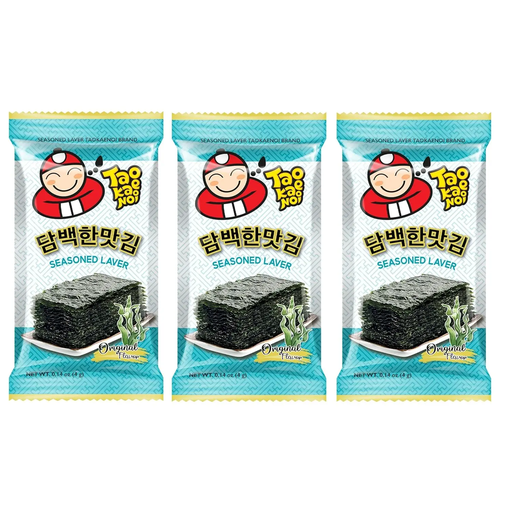
Why we love it: This is the quintessential Korean seaweed snack. The sheets are thin, crispy, and lightly salted, with that deeply satisfying umami flavour. Its individual packaging makes it perfect for on-the-go snacking.
The Pros:
Who is it for? Ideal for those looking for a delicious and healthy snack, and for parents seeking a smart alternative to crisps.
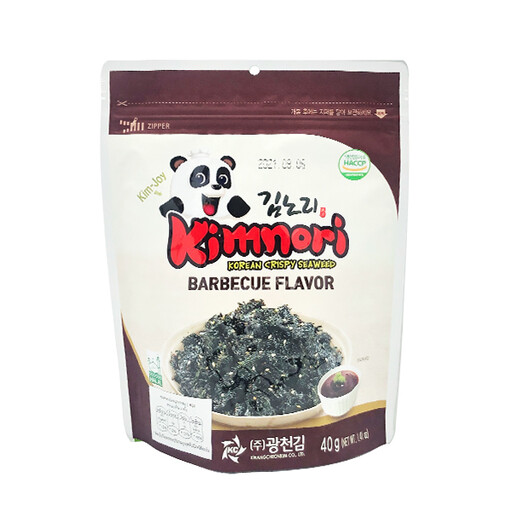
Why we love it: Here, the seaweed comes in flakes (Jaban), a very popular format in Korea. The barbecue flavour adds a smoky, sweet note that pairs wonderfully with the seaweed's oceanic taste and the crunch of sesame seeds.
The Pros:
Who is it for? Perfect for curious cooks and foodies who love to experiment. It's the secret to elevating a simple dish of white rice, noodles, a salad, or even an omelette.
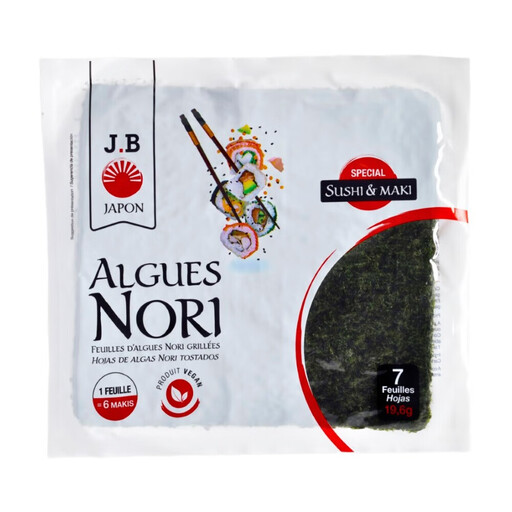
Why we love it: This is the nori sheet in its purest form. Made from 100% nori seaweed with no salt or oil, it offers an authentic taste and the ideal texture for rolling. It's the essential base ingredient for any homemade nori seaweed recipe.
The Pros:
Who is it for? A must-have for Japanese cooking enthusiasts who want to master the art of sushi and maki at home. Also suitable for those following a vegan diet or looking for unprocessed ingredients.
The culinary exploration doesn't stop here. If you're curious to discover other gems to spice up your dishes and delight your taste buds, check out our other selections on Joybuy.
Nori seaweed comes from a red alga (of the Porphyra genus). It is shredded, pressed, and then dried into thin sheets, a process reminiscent of papermaking. It shouldn't be confused with wakame (often found in miso soup) or kombu (used for dashi broths), which are brown algae with very different textures and uses.
Moisture is the number one enemy of a nori sheet: it makes it lose all its crispness. Store the unopened package in a cool, dry place away from light. Once opened, place the remaining sheets in an airtight bag or container, and don't forget the small desiccant packet included. Consume them quickly to enjoy maximum crunch.
Nori seaweed is a treasure trove of nutrients, particularly vitamins and minerals like iodine. However, as with any food, moderation is key. Iodine is essential, but excessive intake can be problematic for some people. Seaweed snack products can also contain a significant amount of salt and oil. It's best to maintain a varied diet and check the nutritional information on the packaging.