
Livraison le jour même ou le lendemain

Qualité garantie

Débloquez vos offres de bienvenue: Livraison GRATUITE | Jusqu'à -80 % | 30 jours d'essai gratuits à JoyPlus
Téléchargez l'application
Craving homemade sushi? But once you're in the Asian food aisle, doubt creeps in. Faced with dozens of packets of nori seaweed, how do you make the right choice? At first glance, all these dark sheets look the same. However, their quality and intended use vary dramatically. The wrong choice can quickly turn your sushi workshop into a fiasco: maki that tears, a bland taste, or a package that gets damp as soon as it's opened.
As the head of product selection at Joybuy, my mission is to help you cut through the confusion. Let's skip the marketing jargon and get straight to the point. This guide is here to help you avoid rookie mistakes and buy the perfect nori sheets for your sushi, kimbap, or even as a healthy snack.
To ensure you don't regret your purchase, here are the two most common mistakes to be aware of.
To make the right choice, you only need two technical criteria. These alone determine 90% of your dish's success.
To prepare sushi, maki, and onigiri, the term to look for is Yaki Nori. This simply means the nori seaweed has been pre-roasted. This step makes it crispy, more flavourful, and ready to use.
The quality of a nori sheet is also judged by its integrity. A good sheet should be:
Instead of a simple list, we've matched each product to a user profile. Find yours to choose the option that best suits you.
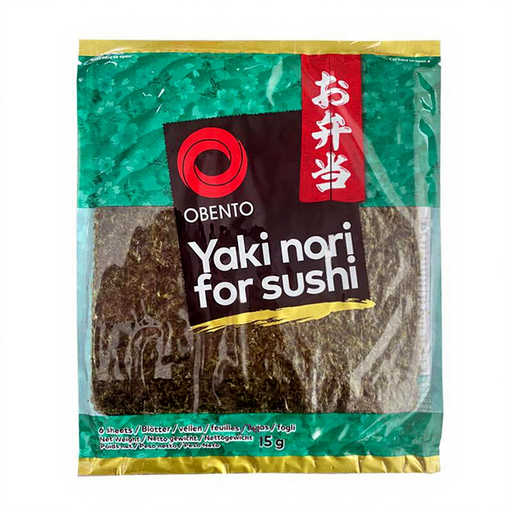
Why it's the right choice: Ideal for getting started. The 6-sheet format is perfect for one or two sushi nights without committing to a large quantity. This helps avoid waste and the risk of the sheets softening before you can use them all.
This product is clearly labelled Yaki Nori. There's no confusion with a snack product: it's properly roasted and ready for sushi. The small format minimises storage issues.
A practical and budget-friendly format for occasional use. Its quality is good enough to prevent tearing on your first try.
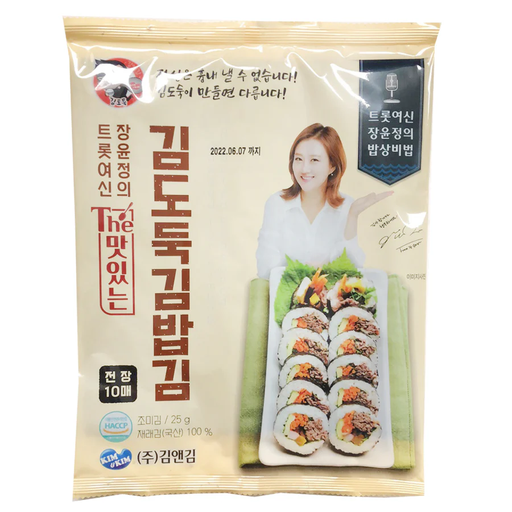
Why it's the right choice: Specifically designed for kimbap, this nori is often slightly thinner and more pliable than its Japanese counterpart, in line with Korean tradition. It's perfect for recreating the authentic taste of homemade kimbap.
By being specific to seaweed for kimbap, it avoids the "all-in-one" trap. While it can work for sushi in a pinch, its texture is truly optimised for Korean rolls, which typically contain less vinegar and more sesame oil.
Pliable texture, ideal for kimbap. Authentic taste for Korean recipes. The 22g size (about 10 sheets) is very convenient.
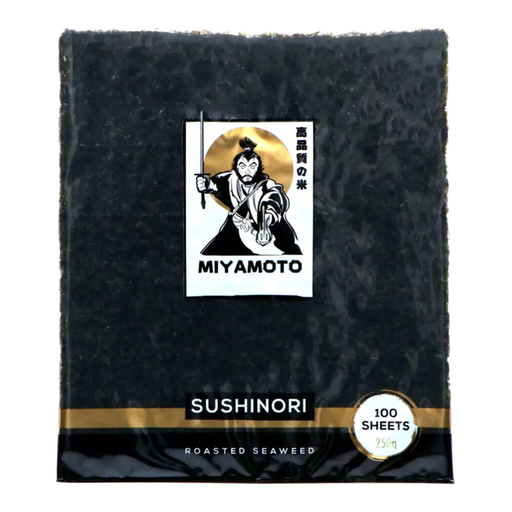
Why it's the right choice: For families, flatmates, or regular sushi night hosts, this 100-sheet pack offers excellent value. It's the sensible choice for regular use, whether for sushi, onigiri, or even crumbled over soups and salads.
This large pack includes a desiccant packet. It meets the need for quantity while ensuring basic freshness, provided you reseal the bag properly or transfer the sheets to an airtight container.
Ultra-economical format for frequent use. A versatile product, perfect for numerous Japanese recipes.
We have compiled a complete and up-to-date list of products that meet our selection criteria and current regulations.
1. How should I store nori sheets after opening the package? Humidity is their worst enemy. Once the package is open, squeeze the air out of the bag and reseal it as tightly as possible. Ideally, place the remaining sheets, along with their desiccant packet, into a large zip-top freezer bag or an airtight container. Store it all in a cool, dry place away from light.
2. What's the difference between sushi nori and snack nori? Sushi nori (yaki nori) is a plain, unseasoned, roasted sheet designed to be sturdy and have a relatively neutral taste. Snack nori, on the other hand, is thinner, often pre-cut, oiled (sesame, canola, etc.), and seasoned (salt, wasabi, teriyaki...). It's made for snacking on its own and is completely unsuitable for rolling maki.
3. Can I use sushi nori sheets to make Korean kimbap? Yes, absolutely. Although there is specific nori for kimbap (sometimes called "gim" or "kim"), a high-quality Japanese yaki nori sheet will work perfectly. The main difference lies in the rice preparation: for kimbap, the rice is seasoned with sesame oil and salt, not rice vinegar.