Teams responsible for dry-food stocks
When planning regular meals, they choose pack sizes that suit the number of diners, how quickly packs will be used and the storage instructions before and after opening.


For meals in care homes, dried noodles are suitable for cupboard storage if the pack size and storage instructions fit the pace of service. Egg noodles offer variety, while pre-cooked versions can cut down on preparation time. Whichever you choose, check the ingredients and allergens on the pack you receive, follow each resident’s prescribed texture and serve noodles as part of a complete meal.
When planning regular meals, they choose pack sizes that suit the number of diners, how quickly packs will be used and the storage instructions before and after opening.
They need to consider noodles as part of the whole meal, rather than serving them as the only component. Manger Bouger, the website of Santé publique France, reminds us that nutritional needs do not necessarily decrease after the age of 75 and require particular attention in people who are frail.
Where chewing, swallowing or allergies call for individual adjustments, the choice needs to take account of the exact product and the finished dish, including its sauce and toppings. L’Assurance Maladie highlights the risk of food going down the wrong way when someone has difficulty swallowing.
In a care home, start with each resident’s individual serving instructions, then check the menu and how each type of noodle will be stored and prepared.
| Criteria | What to check | Who this matters to |
|---|---|---|
| Texture when served | Compare individual instructions with the consistency of the noodles, sauce and toppings in the finished dish. | If a resident needs a particular texture because of chewing or swallowing difficulties, I can’t decide based on cooking time alone. Around 34% of consumers put this adjustment first among their needs. |
| Meal composition | Look at the whole menu and the nutritional values per 100 g for the product you choose. Don’t confuse dried noodles with a complete meal. | When planning lunch or dinner, I need to know how the noodles fit in with the other planned components. This is the top priority for around 33% of consumers. |
| Stock and pack sizes | Compare pack weights, the best-before date and the storage instructions after opening. | When I’m preparing regular meals, a large pack is only practical if its contents can be used in line with the instructions after opening. Around 20% of consumers say stock management is their main concern. |
| Recipe variety | Read the ingredients list and check the allergens in the noodles, sauces and toppings separately. | If I vary the dishes to reflect residents’ preferences, the recipe still needs to meet their individual requirements. Variety comes first for around 13% of consumers. |
Quick to prepare doesn’t mean pre-cooked noodles are interchangeable with dried noodles: their ingredients, storage requirements and finished texture may differ.
Before switching products, compare the ingredients, allergens, date, storage instructions and preparation method.
Auchan states that the ingredients in its noodle product may vary depending on the collection point and purchase date. An old listing is therefore not enough to identify the ingredients in the pack you receive.
Check the label and batch when the order arrives, then make sure the information used for serving matches the product delivered.
The consistency also depends on the sauce and toppings. If someone has difficulty swallowing, L’Assurance Maladie warns that food going down the wrong way can have serious consequences.
Follow the texture instructions for each resident and, if in doubt, ask the appropriate team to assess the whole dish.
Noodles are one component of a menu; serving them does not, by itself, mean the meal meets a resident’s needs.
Plan the main dish and accompaniments as part of the care home’s menu, taking individual adjustments into account.
A 1 kg pack of dried noodles to consider for stocks used in regular meals.
A dried noodle product sold by Auchan in four 250 g packs, making it easier to use stock in smaller amounts.
A Carrefour option for fine, pre-cooked noodles in recipes that need little preparation.
This selection includes wheat noodles in larger and smaller packs, as well as egg noodles. Choose a pack size to suit the pace of service, and check the ingredients, storage instructions and preparation method on each pack.
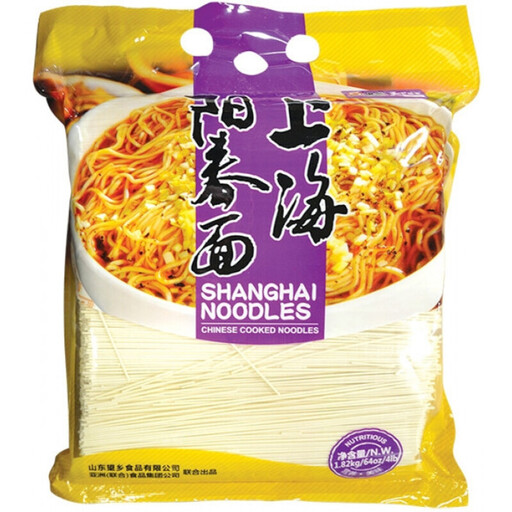 Image unavailable
This 1.82 kg pack may suit a kitchen that uses noodles in larger quantities. Check the date, storage instructions after opening and ingredients on the packaging. The texture of the dish served should meet the resident’s requirements.
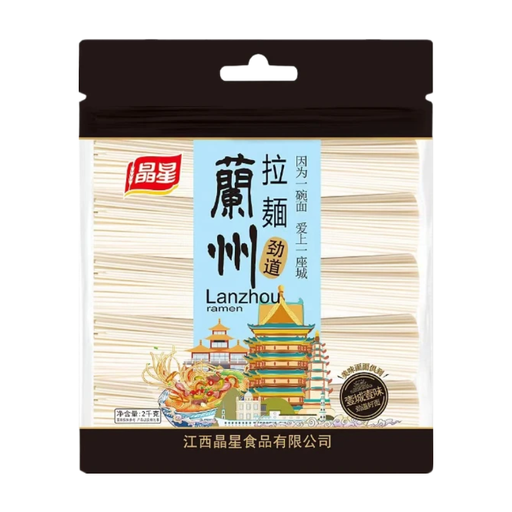 Image unavailable
The 2 kg pack is best suited to a kitchen whose stock rotation can accommodate a larger size. Before adding it to the menu, check the storage instructions after opening, the date and the ingredients on the batch, then adapt the dish for the planned service.
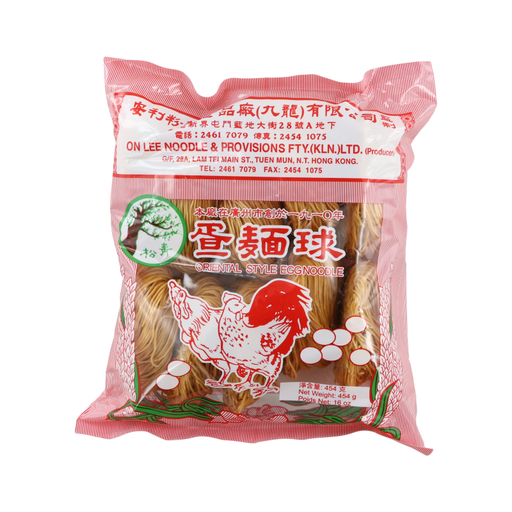 Image unavailable
These 454 g egg noodle balls offer an alternative to egg-free wheat noodles. Check the allergens and date on the pack, and make sure the finished dish is suitable for each resident’s individual requirements.
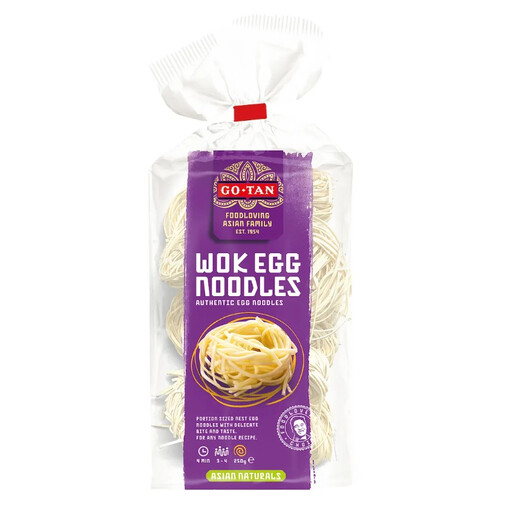 Image unavailable
This 250 g pack of egg noodles may be a good option when you’re preparing smaller quantities. Check the packaging for the cooking time, date and allergens, then consider the texture of the dish as served.
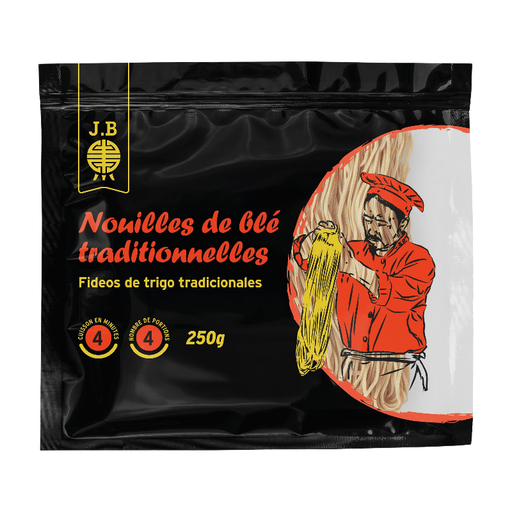 Image unavailable
This 250 g pack of wheat noodles may suit a smaller serving. Check the date and storage instructions on the packaging. When serving, also take the sauce, toppings and required texture into account.
Noodles should be considered one component of a meal, not the whole menu. Manger Bouger, the website of Santé publique France, reminds us that the nutritional needs of people over 75 do not necessarily decrease. Plan meals in line with the care home’s menu and each person’s individual needs.
Not if residents have different individual requirements for texture or allergens. Check the noodles, sauce and toppings as served. L’Assurance Maladie points out that difficulty swallowing carries a risk of food going down the wrong way.
Check the ingredients list, any highlighted allergens, nutritional information, net quantity, relevant date and storage instructions. The DGCCRF lists these as essential details on pre-packed food labels, so use the information on the pack you actually receive.
Follow the instructions for the product you’ve bought. For its 1 kg pack of dried noodles, Auchan advises keeping the product away from heat and moisture, resealing the bag securely and, preferably, transferring its contents to an airtight container.
The words ‘with egg’ aren’t enough to establish a nutritional difference between two products. Compare their nutritional values per 100 g on the relevant packaging, then take the other components of the meal into account.