When choosing noodles for a school lunchbox, compare the ‘of which sugars’ figures on a like-for-like basis, and check the sauce or seasoning sachet too. Plain noodles let you choose what to add, but you’ll need to plan the preparation; instant versions can save time, although their seasoning may contain sugar. If your prepared meal includes perishable foods, make sure you can keep it cool during transport.
Who is this choice for?
Parents who choose the seasoning
You prepare the lunchbox and prefer to control how much sauce goes in. The product information for TANOSHI and CARREFOUR SENSATION instant noodles published by Carrefour France shows why it’s important to check the seasoning as well as the noodles.
Families who want quick preparation
You want to keep preparation time to a minimum while checking the ingredients and allergens in the whole product, including the seasoning sachet.
Parents mindful of allergens
You need to read the label for each product and flavour. The MEI ASIA, TANOSHI and CARREFOUR SENSATION product information presented by Carrefour France lists, depending on the recipe, ingredients including wheat, eggs and soya.
What should you look for first?
For a lunchbox, first decide between plain noodles to season yourself and a product that comes with seasoning, then compare the complete recipe. A list of ingredients showing no added sugar in the noodles is not enough to establish that the meal is ‘reduced in sugars’.
Plain noodles to season yourself
Choose these if: you want to select the sauce and toppings separately.
Bear in mind: cooking and preparing the meal take time; ‘plain’ is not a ‘reduced in sugars’ claim.
Seasoned instant noodles
Consider these if: preparation time matters and the full ingredient list is suitable for your child.
Check: the seasoning may contain sugar and allergens. Carrefour France gives a preparation time of 3 minutes for its TANOSHI chicken-flavour product; this does not apply to all instant noodles.
| What to check |
What to look for |
Who is this relevant to? |
| Sugars |
Compare ‘of which sugars’ per 100 g on the same basis, either dry or prepared, and check any ‘reduced in sugars’ claim shown. |
I want to compare the sugars in two recipes without confusing the noodles on their own with the seasoned meal. Around 42% of consumers concerned put this check first. |
| Seasoning and allergens |
Read the ingredients and allergen information for the noodles, sauce and any sachets, including precautionary ‘may contain’ statements. |
If I’m preparing a meal for a child who needs to avoid an ingredient, I want to choose the sauce separately and check the whole recipe. Around 33% of consumers concerned put this in first place. |
| Preparation and transport |
Check the preparation instructions and plan to keep the meal cool during transport if it contains perishable foods. |
Between preparing the meal in the morning and lunchtime, I need something that’s easy to organise and store. For around 25% of consumers concerned, this is the main priority. |
Mistakes to avoid
-
Assuming plain noodles are ‘reduced in sugars’
The absence of sugar from the noodles’ ingredients list does not, by itself, tell you the sugar content of the product or of any sauce you add. The DGCCRF notes that nutrition claims are governed by European Regulation (EC) No 1924/2006.
Check the claim for the exact product and its basis of comparison. To compare recipes, use the ‘of which sugars’ figure on a like-for-like basis.
-
Checking the noodles but not the seasoning
The product information published by Carrefour France for TANOSHI chicken-flavour and CARREFOUR SENSATION beef-flavour instant noodles lists sugar in the seasoning. Ingredients that a child needs to avoid may also be found in this part of the product.
Read the ingredients and allergen information for the whole pack. A plain base that you season separately lets you choose what to add, but you still need to check its own allergens.
-
Treating a prepared meal like dry noodles in storage
Once a lunchbox contains cooked or perishable foods, it needs to be stored differently from a pack of dry noodles. According to Anses, low temperatures slow the growth of micro-organisms.
Cool the prepared meal and keep it chilled during storage and transport when its ingredients require it.
An insulated bag and ice pack may be needed to transport prepared meals containing perishable foods.
Brands to know
MEI ASIA
The Chinese Noodles product presented by Carrefour France can be used as a base to season yourself.
- Its ingredients list includes wheat flour, eggs, salt and an acidity regulator, so you can choose the sauce separately.
- It contains wheat and eggs; this ingredients list alone is not enough to classify it as ‘reduced in sugars’.
TANOSHI
The chicken-flavour instant noodles presented by Carrefour France state a preparation time of 3 minutes.
- The preparation instructions meet the need for speed for this specific product.
- The seasoning lists ingredients including sugar, maltodextrin and soya sauce. Check the full recipe before comparing sugars.
CARREFOUR SENSATION
The beef-flavour instant noodles presented by Carrefour France come with separate noodles and seasoning.
- This separation makes it easier to identify the seasoning ingredients in the product information.
- The seasoning contains sugar. Carrefour France lists 1,2924 g of added sugars per 100 g for this product; this figure does not represent the entire range.
Noodles to season yourself on Joybuy
These cook-at-home noodles let you choose separately what to add to a lunchbox. To assess the sugars, compare the nutrition information for the exact product on a like-for-like basis. Don’t assume the product is lower in sugars based on its name or your choice of seasoning.
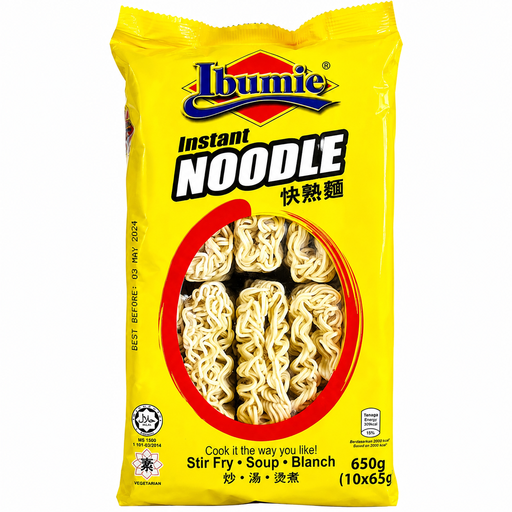 Image unavailable
IBUMIE Original Flavor Instant Noodles, 10 × 65 g
To put together a lunchbox with your choice of seasoning, check the full ingredients list and any planned additions. The pack contains 10 servings of 65 g; check the nutrition label to see what the figures are based on before comparing sugars.
View on Joybuy
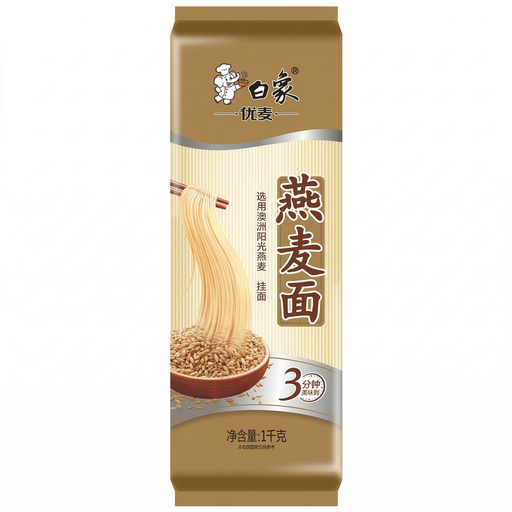 Image unavailable
Bai Xiang Oat Noodles, 1 kg
If you want to prepare and portion the noodles yourself for a lunchbox, this 1 kg pack leaves you free to choose what to add. Check the ingredients, including the wheat and oats listed for this product, and see what the nutrition information is based on.
View on Joybuy
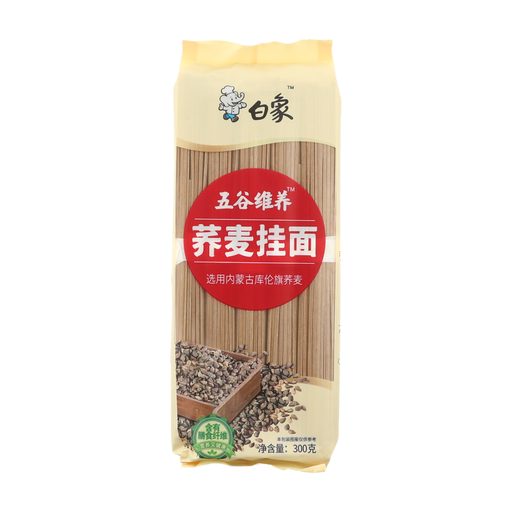 Image unavailable
Bai Xiang Buckwheat Noodles, 300 g
For a separately chosen sauce, start with this 300 g pack of noodles to cook at home. The recipe lists wheat and buckwheat; check the allergens and compare sugars on the same preparation basis.
View on Joybuy
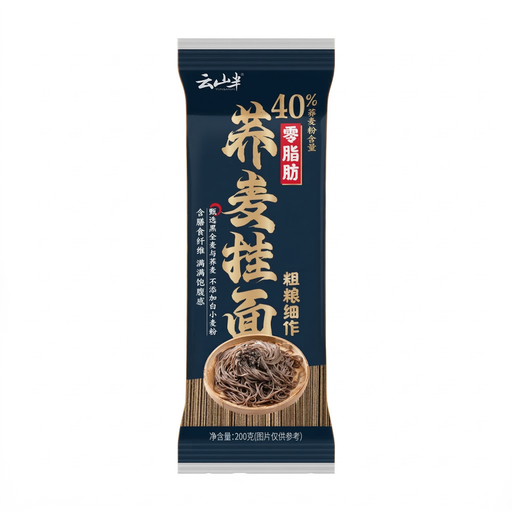 Image unavailable
Yun Shan Ban Buckwheat Noodles, 200 g
These noodles to cook at home come in a 200 g pack, making it easy to prepare a portion and add your choice of extras. The name indicates 40% buckwheat flour; also check for wheat and read the nutrition information for the exact product.
View on Joybuy
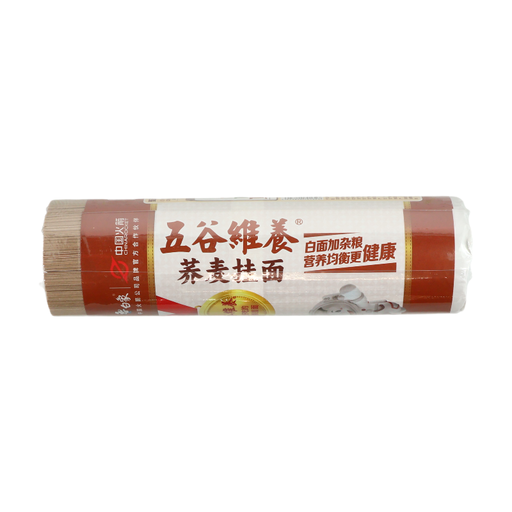 Image unavailable
Bai Xiang Buckwheat Noodles, 1 kg
This 1 kg pack is handy for preparing several lunchboxes with separately chosen seasonings, but you’ll need to portion out the noodles. This variety contains wheat and buckwheat; read the allergen information before serving it to your child.
View on Joybuy
Frequently asked questions
Are noodles with no sugar in the ingredients list ‘reduced in sugars’?
No. The absence of sugar from the ingredients list does not show the total sugar content or prove a reduction compared with a similar product. The DGCCRF notes that nutrition claims are governed by European Regulation (EC) No 1924/2006. Check the label for the exact product and compare ‘of which sugars’ on a like-for-like basis.
Why should you check the seasoning sachet too?
Because it is part of the recipe you’ll be eating and may affect the sugars and allergens you need to consider. Carrefour France lists sugar in the seasoning for its TANOSHI chicken-flavour and CARREFOUR SENSATION beef-flavour products; check the ingredients for the whole pack.
Can you prepare noodles the night before for a lunchbox?
Yes, as long as you store the prepared meal appropriately for its ingredients. If it contains cooked or perishable foods, cool it and keep it chilled during storage and transport. According to Anses, low temperatures slow the growth of micro-organisms.
Should you give all children the same portion of noodles?
No. Choose the portion based on the child’s age, appetite and the rest of the meal, rather than automatically using the pack size. Manger Bouger’s recommendations for 4–17-year-olds state that portion sizes change as children grow.


