When planning a meal in a care home, looking for noodles that are ‘reduced in sugars’ should not take priority over the texture prescribed for the resident, allergies or the planned meal. Once these factors have been taken into account, compare the sugars and carbohydrates per 100 g on the label of the exact product, then check the sauce and any other additions separately.
Who are these criteria useful for?
Residents with a prescribed texture
When chewing or swallowing is difficult, the texture prescribed for the resident takes priority over any claim about sugars. The French National Authority for Health (HAS) highlights oral and dental difficulties as an issue to watch for in care homes. Ordinary noodles are no substitute for a preparation approved by the team responsible for the meal.
Teams building a meal around a plain base
Choosing the noodles separately makes it possible to check the sauce, toppings and other components of the dish afterwards. Product information from Auchan and TURINI describes noodles made with durum wheat semolina; however, their ingredients alone are not enough to determine whether the whole meal is suitable for a resident.
People comparing declared sugar values
To compare two products, look at the ‘of which sugars’ line and don’t confuse it with total carbohydrates. The French Agency for Food, Environmental and Occupational Health & Safety (Anses) distinguishes sugars from starches, while the French consumer and competition authority (DGCCRF) highlights the value of nutritional information given per 100 g.
What should you check before buying?
For noodles intended for a care home meal, start with the prescribed texture and the planned meal for the resident, then compare the labels of products that meet those requirements.
| Criterion | What to check | Consumers concerned |
|---|
| Texture and swallowing |
The individual texture instructions and approval of the preparation in line with the care home’s protocol; the cooking time on the packet is not enough. |
If I need to prepare noodles for someone who has difficulty chewing or swallowing, I want to know whether the texture served meets their instructions. Around 42% of consumers concerned would make this their top priority. |
| Meal composition |
How the noodles fit into the complete dish and the other ingredients planned, especially the sauce and source of protein. |
When putting together an individualised meal, I can’t judge the dish on the noodles alone. Around 33% of consumers concerned would put this first. |
| Declared sugars |
The ‘carbohydrates’ and ‘of which sugars’ lines, using the same 100 g basis, followed by the ingredients in any seasonings added. |
When comparing packets, I want to distinguish sugars from total carbohydrates without assuming that a low figure proves the product has reduced sugars. Around 25% of consumers concerned would prioritise this comparison. |
Common pitfalls to avoid
-
Assuming ‘reduced in sugars’ means a meal is suitable
A claim about sugars alone tells you nothing about the texture, allergens or composition of the complete dish. Anses also distinguishes sugars from starches.
Compare the nutritional values per 100 g, then check the ingredients and the resident’s individual instructions.
-
Serving ordinary noodles when a specific texture is prescribed
The French National Authority for Health (HAS) highlights eating difficulties and oral and dental problems in care homes. Cooking noodles for longer does not guarantee that the resulting texture will meet the individual instructions.
Follow the care home’s protocol and, where necessary, ask the team responsible to approve the preparation.
-
Relying only on the product information viewed online
Auchan notes that the composition of its noodles may vary depending on the collection location, purchase date and batch, including the possibility of traces of allergens.
Before serving, check the ingredients, allergens and nutritional values on the packet you receive.
-
Applying plain noodle values to a seasoned dish
Plain noodles, ramen and instant varieties are not all the same recipe. A seasoning sachet or sauce is part of the dish being served and should be checked separately.
Check the label of the exact product and take account of all the ingredients used in the preparation.
Brands and retailers to explore
Auchan
A 1 kg pack of plain dried noodles is one option to consider if you’re looking for a product made with durum wheat semolina.
- Auchan’s product information states that the noodles are made with 100% durum wheat semolina and contain 4.5 g of sugars and 13 g of protein per 100 g.
- Auchan notes that the product may vary by batch and may contain traces of egg, mustard or soya. If you’re managing an allergy or avoiding these ingredients, check the packet you receive.
TURINI (Marque Repère, E.Leclerc)
E.Leclerc lists 1 kg TURINI noodles made with durum wheat semolina.
- E.Leclerc’s product information lists 3.6 g of sugars and 11.8 g of protein per 100 g, as well as a Nutri-Score A. This score alone does not determine whether the product is suitable for a resident’s meal.
- E.Leclerc recommends contacting the relevant store to check whether this product is available.
Carrefour
Its range of noodles includes rice noodles and other varieties, which you can distinguish based on the recipe you’re looking for.
- Distinguishing between plain noodles, ramen and instant preparations helps you choose a product category before checking the labels.
- The category name doesn’t tell you the sugar content, allergens or texture of each product: check the exact item.
Noodles to consider on Joybuy
These products include wheat and rice noodles that can be used as the base for a dish assembled separately. For a care home meal, their format or name is no substitute for checking the packaging or getting approval for any prescribed texture.
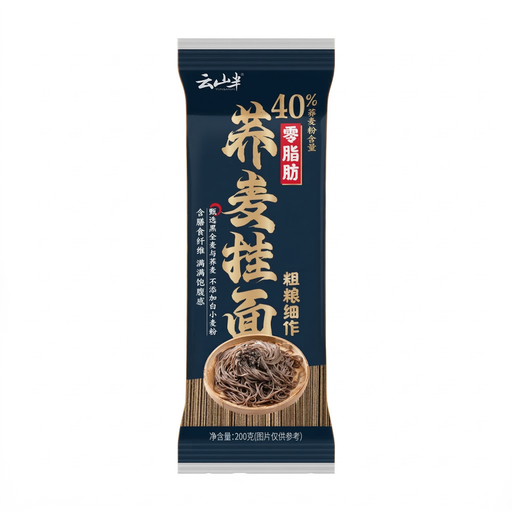 Image unavailable
Yun Shan Ban Buckwheat Noodles, 40% buckwheat flour, 200 g
Worth considering if you’re looking for a buckwheat noodle base so you can assemble the dish separately.
The product name specifies 40% buckwheat flour and a 200 g pack. Check the allergens on the packaging and have the resulting texture approved if individual instructions apply.
View on Joybuy
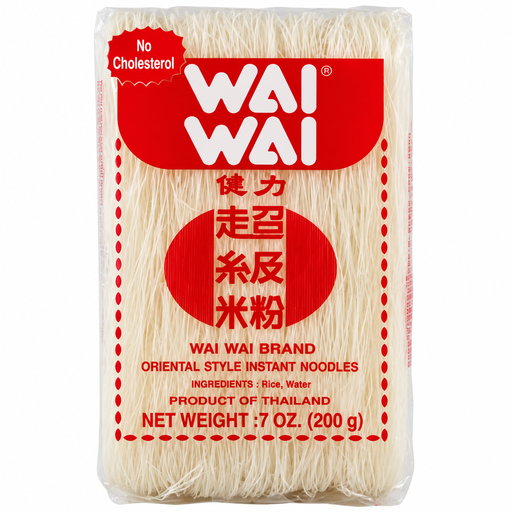 Image unavailable
Wai Wai Rice Vermicelli, 200 g
Worth considering if your recipe calls for rice vermicelli rather than wheat noodles.
This product comes in a 200 g pack. Check the ingredients and allergens on the packet you receive; the preparation must also meet any applicable texture instructions.
View on Joybuy
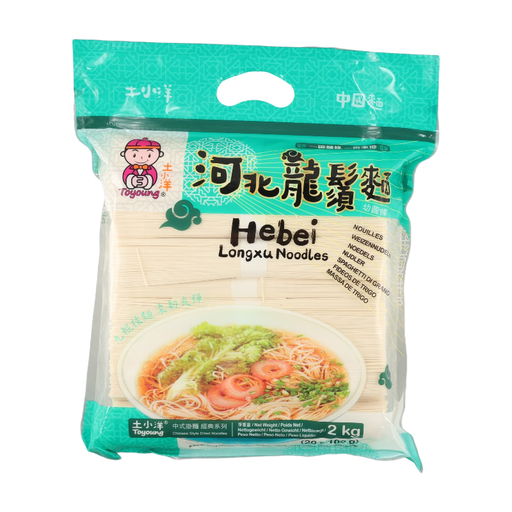 Image unavailable
Toyoung Hebei Dragon Beard Noodles, 2 kg
Worth considering for a dish where you choose the noodles and other components separately.
The pack size is listed as 2 kg. Check the ingredients and allergens on the packet, then check the texture after preparation in line with the care home’s protocol.
View on Joybuy
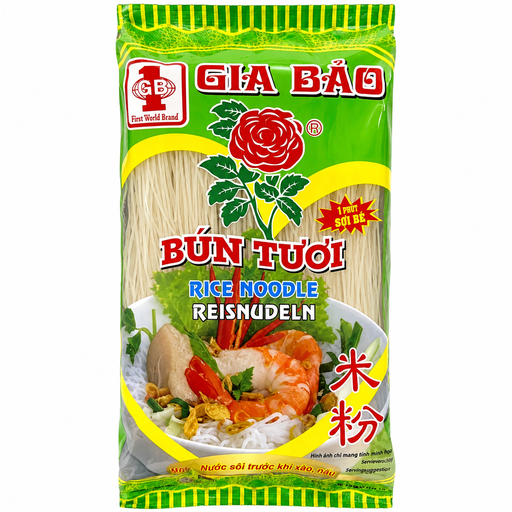 Image unavailable
Gia Bao Rice Noodle Bun Tuoi, 1.0 mm, 500 g
Worth considering if you’re looking for rice noodles whose name specifies the thickness of the strands.
This variety is listed as 1.0 mm strands in a 500 g pack. The thickness does not guarantee a suitable texture after cooking, so check the preparation and the information on the packet.
View on Joybuy
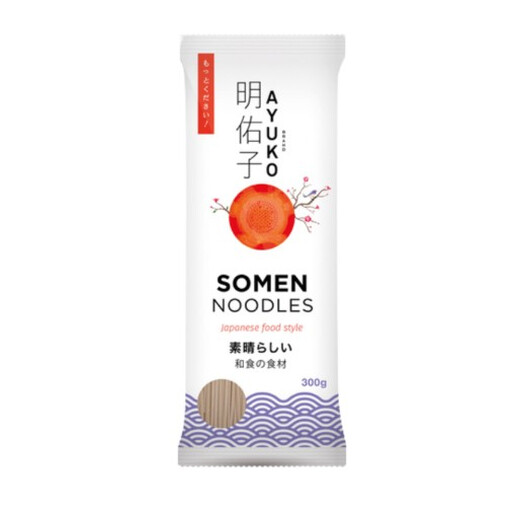 Image unavailable
Ayuko Somen Noodles, 300 g
Worth considering if your recipe calls for somen noodles rather than another type.
The pack size is listed as 300 g. Check the allergens on the packaging and follow individual instructions before serving the dish.
View on Joybuy
Frequently asked questions
Do you always need to look for ‘reduced in sugars’ noodles for a care home meal?
No: priorities depend on the texture instructions, allergies and the planned meal for the resident. Auchan and TURINI’s product information lists 4.5 g and 3.6 g of sugars per 100 g of their dried noodles, respectively, but these figures do not prove that the products carry a claim that they are reduced in sugars.
When comparing two packets, should you check sugars or carbohydrates?
Check both lines, as they refer to different things: according to Anses, carbohydrates include sugars and starches. To compare products, the DGCCRF recommends using nutritional values expressed on the same 100 g basis.
Is the name ‘rice noodles’ enough to confirm a product is suitable for a gluten-free diet?
No: the category name doesn’t confirm the characteristics of a specific product. Check the ingredients and allergen information on the packaging of the product you choose before using it for a meal where gluten must be avoided.
Is cooking noodles for longer enough if a resident has difficulty chewing or swallowing?
No, cooking time alone can’t confirm that the texture served is suitable. If someone has individual instructions, follow the care home’s protocol and ask the team responsible for the meal to approve the preparation.


