
Livraison le jour même ou le lendemain

Qualité garantie

Débloquez vos offres de bienvenue: Livraison GRATUITE | Jusqu'à -80 % | 30 jours d'essai gratuits à JoyPlus
Téléchargez l'application
A non-stick crêpe pan is not just for making crêpes. It can also be used for pancakes, omelettes, fried eggs, vegetables, fish fillets and fritters. However, some models disappoint quickly: a coating that food sticks to, a warped base or a poorly designed handle can turn a simple recipe into a real chore.
Before choosing a crêpe pan or a 24 cm non-stick frying pan, take the time to identify the features that really matter. This also helps you tell the difference between a marketing claim and genuinely verifiable information.
A non-stick coating makes it easier to release food, but it remains vulnerable to scratches, metal utensils and excessive temperatures. So, a pan described as easy to clean is not necessarily dishwasher-safe. Several models in this selection must be washed by hand using a soft sponge.
To keep the coating in good condition for as long as possible, also avoid heating the empty pan at full power. Let it cool down before washing it: thermal shock can damage the material.
Aluminium is popular because it is lightweight and heats up quickly. That does not mean that every aluminium pan works on an induction hob. To do so, the base must incorporate a suitable layer. So, look for the statement induction-compatible pan, rather than relying solely on the material used.
Gas, electric and ceramic hobs are generally more forgiving. However, the diameter of the base should still correspond to that of the ring to avoid wasting heat unnecessarily.
A 20 to 21 cm pan is suitable for individual portions and smaller kitchens. A 24 cm non-stick frying pan offers a good balance for preparing crêpes, eggs and everyday meals for one or two people. Larger pans provide a useful surface for making large crêpes, but they also take up more cupboard space and are less easy to handle.
For an evening with friends or family, an electric crêpe maker can be more practical than a traditional pan: several people can cook at the same time, without taking turns at the hob.
To turn a crêpe without difficulty, choose a pan with a fairly low rim and a sufficiently wide surface. A deeper pan will be more versatile for vegetables, meat and slow-cooked dishes, but it will be less suitable for spreading a thin batter.
A 35 cm electric crêpe maker is suitable for large crêpes. Models with several moulds allow you to prepare several mini crêpes at once, making them a particularly enjoyable option for a family meal or when entertaining guests.
Aluminium is valued for its light weight and quick heat-up time. It can be perfectly suitable for everyday use, provided the base is stable enough and compatible with your hob. Cast aluminium offers a more robust construction, while an electric appliance has its heating element and thermostat built in.
An adjustable thermostat, as found on some crêpe makers, allows you to control the cooking temperature more precisely. The keep-warm function can also be useful when food is served in several courses or batches.
When using a non-stick surface, it is best to use wooden or silicone utensils. Also check the cleaning instructions, whether a lid is included and how the handle is designed. A wooden or heat-resistant handle makes the pan more comfortable to hold, but may require extra care when washing.
The “PFOA-free” statement found on some products provides information about the advertised composition of the model concerned. It does not replace checking the product details or reading the instructions for use.
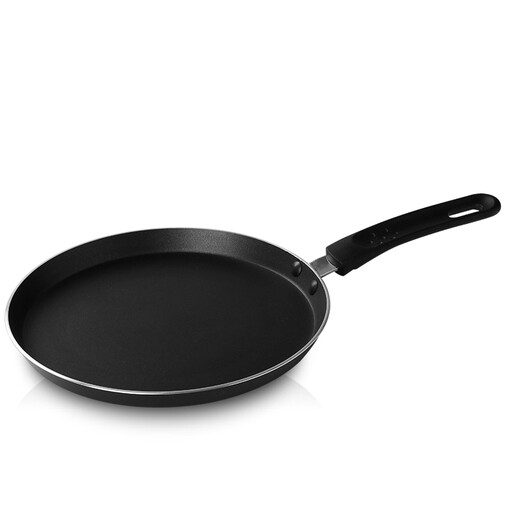
Why this choice suits this profile : Its 24 cm diameter is ideal for crêpes as well as everyday cooking. Its stated induction compatibility also means it can be used on different types of hobs.
The product details mention a PFOA-free non-stick coating and compatibility with induction, gas and electric hobs. However, you will need to follow the care instructions to minimise wear.
A versatile 24 cm diameter, a non-stick surface and compatibility with several types of hob.
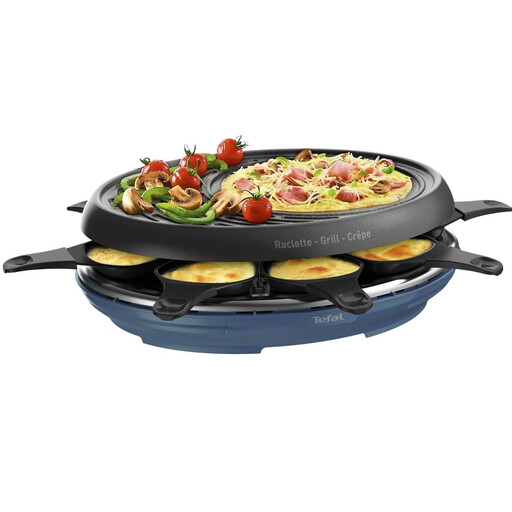
Why this choice suits this profile : This 3-in-1 appliance combines crêpes, grilling and raclette. With its eight mini pans and stated power of 1 050 W, it is made for meals where everyone gets involved.
The functions are clearly identified, and both the plate and mini pans are stated to be dishwasher-safe. The base, however, must be cleaned without being immersed in water.
Eight mini pans, a removable plate and a stated Thermo-Spot temperature indicator.
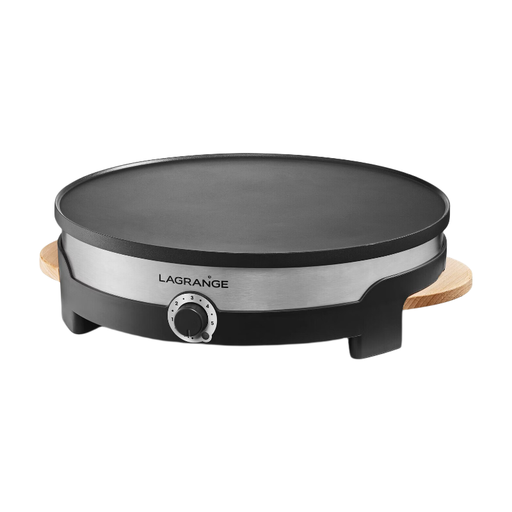
Why this choice suits this profile : Its large plate lets you make a 35 cm crêpe or four small crêpes using the supplied mould. It is well suited to family meals and batch cooking.
The five-position thermostat lets you adjust the heat, while the removable plate, stated to be dishwasher-safe, makes cleaning easier.
A 35 cm plate, 1 500 W of power, an adjustable thermostat and included accessories.
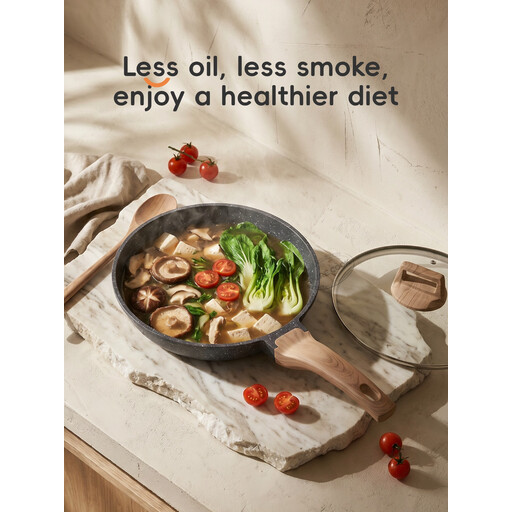
Why this choice suits this profile : Its compact size and glass lid are ideal for small portions, vegetables and recipes that need to retain their moisture.
With its 21 cm diameter, it takes up very little space. The lid lets you monitor cooking without having to lift the pan constantly. It must be washed by hand.
A tempered glass lid, a lightweight aluminium body and stated compatibility with induction, gas and ceramic hobs.
We have brought together a complete, regularly updated selection of products that meet these criteria and comply with European safety regulations.
To keep your pan in good condition for longer:
This type of coating often allows you to cook with very little fat. However, the amount required depends on the recipe, the temperature and the condition of the surface.
The 24 cm size is a good compromise for crêpes, omelettes and everyday meals. To make a large traditional crêpe, it is better to choose a 35 cm plate. Smaller diameters are more suitable for individual portions.
Not always. Look for an explicit statement confirming induction compatibility in the product details. The body material alone does not tell you whether the pan will work on your hob.
It depends on its power rating and how long you use it. As a guide, a 1 000 W appliance used for 30 minutes consumes approximately 0.5 kWh. Over the same period, a 1 500 W model consumes around 0.75 kWh. The actual cost then varies according to your electricity tariff and preheating time.