Joybuy Insights

How to Choose the Right Non-Slip Yoga Mat: Top Picks

A pose that slips, a knee that jars against the hard floor... Choosing the right equipment is the first step toward a safe and effective practice. Whether you're into yoga, Pilates, or home-based strength training, a non-slip yoga mat is an indispensable partner for your safety and comfort.

With the vast array of models on the market, it can be difficult to know where to start. This guide is designed to help you navigate the options and make the right choice based on objective criteria. Afterwards, we'll reveal our selection of versatile exercise mats, designed for various practices and every price point.

Buyer's Guide: Criteria for Choosing Your Fitness Mat

Before diving into our selection, let's review the three essential criteria for finding the exercise mat that's right for you.

1. Material: PVC or TPE?

The choice of material is crucial for your mat's grip, durability, and comfort.

  • PVC (Polyvinyl Chloride): This material is renowned for its exceptional durability and resistance to wear and tear. PVC mats offer excellent grip on hard floors and are easy to clean, making them a smart choice for regular use, including as a gym mat.
  • TPE (Thermoplastic Elastomer): A more modern option, the TPE yoga mat is praised for its light weight and excellent cushioning. This material is typically made without latex or phthalates and remains odour-free. Its closed-cell texture prevents sweat from seeping in, which limits bacterial growth.

2. Thickness: Finding the Right Balance Between Comfort and Stability

A mat's thickness, measured in millimetres (mm), determines its level of cushioning.

  • Thin Mats (1 to 3 mm): These offer a direct connection to the floor, which enhances stability in balancing poses. On the downside, they provide less comfort for the joints.
  • Standard Thickness Mats (4 to 6 mm): This is the best compromise. A thick yoga mat of 6 mm, for example, offers sufficient cushioning to protect the knees and elbows during floor exercises, while still maintaining good stability. It's the most versatile option, ideal for yoga, as a Pilates mat, or for general fitness.
  • Very Thick Mats (> 6 mm): Highly comfortable, these are perfect for relaxation exercises or stretching. However, they can make balancing poses that require a great deal of stability more challenging.

3. Surface Texture: The Key to Grip

The secret to a good 'grip' lies in the mat's surface texture. Opt for models with raised patterns or a slightly textured feel. This design increases friction between your hands/feet and the mat, as well as between the mat and the floor, ensuring your safety even during the most dynamic sequences.

Yoga Mats Worth Considering

Here are the models that caught our eye, selected for their versatility and technical qualities.

Capelli Sport 6 mm Yoga Mat

Tapis de Yoga Capelli Sport 6mm

Capelli Sport 6mm Yoga Mat, 61 x 183 cm, Printed Design, for Yoga, Pilates, Home Workouts and Floor Exercises, Non-Slip Gym Mat

  • Why it stands out: This mat combines the robustness of PVC with an original printed design. Its classic construction makes it a reliable choice for a wide variety of floor exercises.

  • Highlights:

    • Material: Made from durable PVC, it is built to resist wear, fading, and tearing.
    • Surface: Its raised, textured surface provides excellent stability, regardless of the type of workout.
    • Thickness: Its 6 mm thickness ensures comfortable cushioning for both yoga poses and fitness exercises.
    • Care: It is easy to maintain with a damp cloth, ideal for daily use.
  • Who is it for?: For those looking for a versatile and durable exercise mat for training at home or at the gym, and who like to add a splash of colour to their gear.
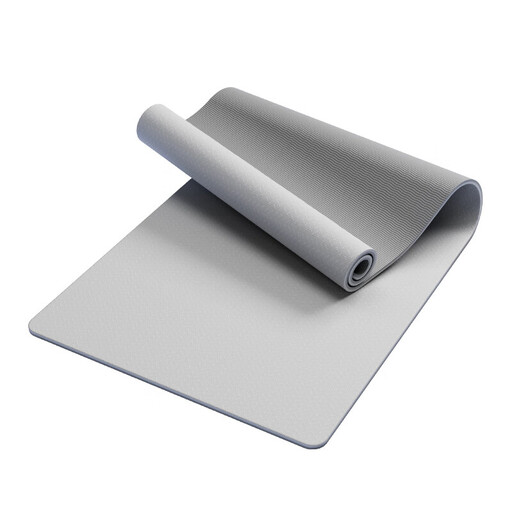
ochama×J.ZAO TPE Yoga Mat - Grey

Tapis de Yoga ochama×J.ZAO en TPE - Gris

ochama×J.ZAO Yoga Mat - Exercise Mat - Thickened and Widened TPE - Non-Slip - Unisex - Grey

  • Why it stands out: This model is all about comfort and space. Made from high-density TPE, it offers superior shock absorption, ideal for protecting your joints.

  • Highlights:

    • Material: Made from high-density TPE, it is odour-free and guarantees excellent cushioning.
    • Dimensions: Its generous dimensions (183 x 66 cm) provide ample freedom of movement.
    • Grip: Its non-slip texture ensures excellent grip on the floor for added safety.
    • Comfort: Its thickness and composition make it a very comfortable yoga mat, which is especially beneficial for the knees and spine.
  • Who is it for?: For individuals who prioritise joint comfort and need more space for their sequences. It's an excellent choice for gentle yoga, Pilates, and moderate-impact floor exercises.
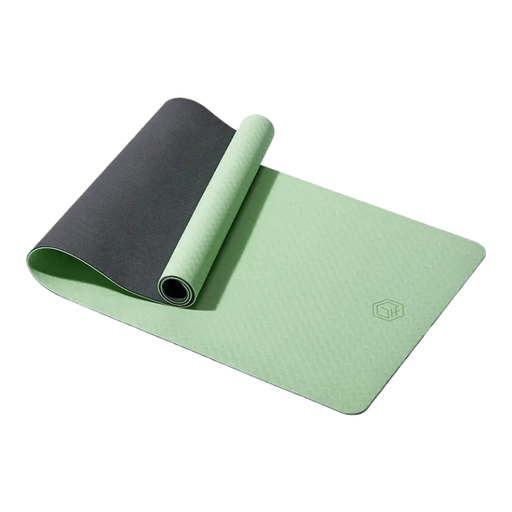
ochama×J.ZAO TPE Yoga Mat - Matcha Green

Tapis de Yoga ochama×J.ZAO en TPE - Vert Matcha

ochama×J.ZAO TPE Thickened and Widened Yoga Mat Exercise Fitness Gymnastics - Non-Slip Floor Mat - 183x66 cm - Matcha Green

  • Why it stands out: Combining performance and design, this mat offers the same technical advantages as its grey counterpart (TPE material, generous dimensions), all in a very soothing matcha green colour.

  • Highlights:

    • Material: The high-quality TPE ensures durability, cushioning, and flexibility.
    • Safety: Its non-slip textured surface is designed to prevent slipping during dynamic movements.
    • Space: Its 183 x 66 cm dimensions accommodate all body types and offer a comfortable practice area.
    • Design: The matcha green colour brings a touch of serenity and elegance to your fitness routine.
  • Who is it for?: For practitioners seeking high-performance equipment without compromising on style. It's ideal for those who want their sports gear to blend elegantly with their home decor.


Looking for other options?

Our selection highlights versatile models, but many other types of mats exist for specific needs (travel, hot yoga, etc.).

? Explore our complete collection of mats to find the one that perfectly matches your practice.


Frequently Asked Questions (FAQ)

1. How do you clean a non-slip yoga mat?

For most PVC or TPE mats, cleaning is simple. Use a soft cloth dampened with a mixture of water and mild soap. Gently wipe the surface, then rinse with a clean, damp cloth. Let it air-dry completely, away from direct sunlight, before rolling it up. Avoid harsh detergents that could damage the surface.

2. What is the difference between a PVC and a TPE yoga mat?

PVC is a dense and highly durable plastic that offers excellent resistance to stretching and good grip on hard floors. TPE, on the other hand, is a blend of plastic and rubber, making it lighter, more flexible, and giving it better cushioning. TPE is often seen as a more modern alternative and is generally odour-free.

3. Is a thick yoga mat always the best choice?

Not necessarily. A thick yoga mat (over 6 mm) is very comfortable for floor exercises and gentle practices like Yin Yoga. However, for dynamic yoga styles or balancing poses (like Tree Pose), a mat that is too soft can compromise your stability. A thickness of 5 to 6 mm represents the best balance for most practitioners.