
Livraison le jour même ou le lendemain

Qualité garantie

Débloquez vos offres de bienvenue: Livraison GRATUITE | Jusqu'à -80 % | 30 jours d'essai gratuits à JoyPlus
Téléchargez l'application
A non-slip yoga mat can be just as useful for yoga as it is for Pilates, stretching, ab work or floor exercises. But not all mats are created equal. A surface that doesn't grip properly, the wrong thickness or dimensions that are too small can quickly make sessions uncomfortable — and push you into buying another mat just a few weeks later.
Before choosing a fitness mat or a sports mat, it's worth taking a closer look at a few concrete criteria rather than relying solely on marketing promises.
A raised pattern or texture on the surface can improve stability, but it doesn't eliminate every risk of slipping. Moisture, sweat, dust and the type of floor all have a direct impact on grip. A non-slip mat must therefore be placed on a clean, dry and perfectly level surface.
Some manufacturers also point out that their mat can become slippery when wet. For particularly intense sessions, remember to wipe the surface down regularly and choose a material designed to stay stable even when you're sweating.
A thick yoga mat generally provides more cushioning for your knees, hips and during floor exercises. On the flip side, a greater thickness can reduce the feeling of stability in standing poses and make the mat bulkier to carry or store.
At the other end of the scale, a 3 mm mat rolls up and transports easily. It offers a more direct contact with the floor, but provides less shock absorption. The right choice therefore depends on your practice, your sensitivity and the type of floor you train on.
A width of 61 or 62 cm is suitable for most exercises. However, taller people or those who perform wide-ranging movements may benefit from choosing a large yoga mat. Models measuring 80 to 100 cm offer more freedom for transitions, stretching and Pilates.
Also think about transport. A strap and a reasonable weight can make all the difference if you regularly head to the gym, the studio or a park.
The stated thickness isn't everything. The density of the foam and its ability to quickly regain its shape after use are just as important.
PVC appeals thanks to its textured surface and easy maintenance. NBR, a soft foam, offers noticeable cushioning, like on the HEAD Fitness mat. TPE generally combines flexibility and lightness, with a texture on one or both sides depending on the model.
A cork yoga mat combines a natural cork top layer with a TPE base. On the Capelli Sport model, the product description states that moisture and heat are said to improve grip. This is a design feature, not an absolute guarantee against slipping. The information provided does not mention any environmental certification issued by an independent body.
For versatile use, check at least the length, width and weight of the mat. A 180 cm model will suit many adults, while a 190 cm format gives you extra length for movements. Always place the mat on a stable, clean surface free from any sharp objects.
After your workout, a damp cloth and mild soap are usually sufficient. Avoid solvents, abrasive products, prolonged soaking and repeated exposure to sunlight. Allow the mat to dry completely before rolling it up.
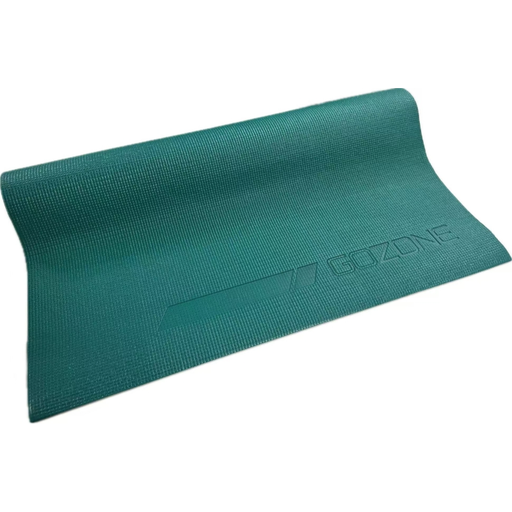
Why this choice suits this profile: its dimensions of 173 × 61 cm and 3 mm thickness are ideal for starting out with yoga, Pilates or floor exercises, whether at home or in the gym.
The product description mentions an embossed PVC surface that is easy to wipe clean. Its slim format also keeps it compact when storing.
PVC, embossed surface, compact dimensions and intended use for yoga, Pilates and floor exercises.

Why this choice suits this profile: this 183 × 61 cm model combines a natural cork layer with a TPE base. A combination well suited to regular yoga practice and mobility exercises.
The product description details the materials used and reminds you that the mat does not eliminate the risk of slipping. It should be cleaned without soaking or harsh detergents.
Cork and TPE, stated thickness of 6 mm in the description, 183 × 61 cm format and a surface described as suitable for sweaty sessions.
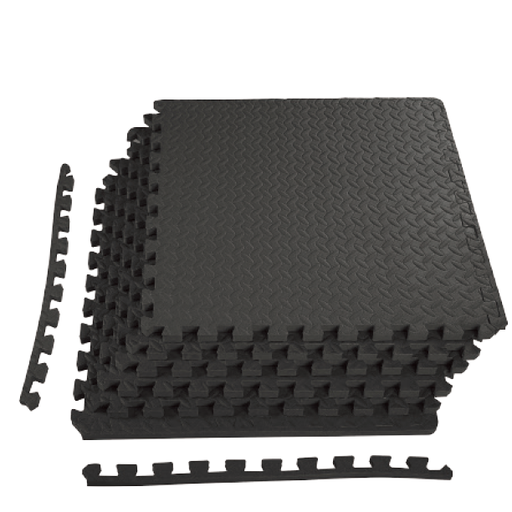
Why this choice suits this profile: this puzzle-style floor mat lets you create a dedicated area for fitness, sports equipment or home workouts.
The six tiles slot together without tools and cover approximately 2.23 m². The product description does state, however, that they are not intended for outdoor use or on stairs.
PE foam, 60 × 60 × 1.2 cm tiles, puzzle assembly and a surface that is easy to wipe clean after your workout.
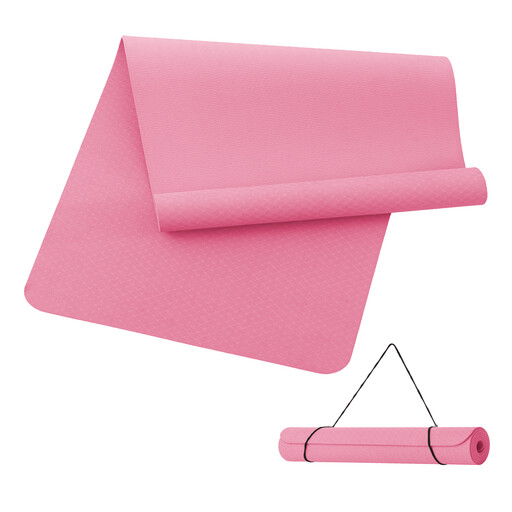
Why this choice suits this profile: its dimensions of 190 × 100 cm give you more room for wide-ranging movements. The included strap makes it easy to carry between home, the gym and outdoors.
Both sides are textured and the stated weight is 1.2 kg. You still need to lay it flat and let it dry after each use.
TPE, dimensions of 190 × 100 × 0.6 cm, double-sided texture and a carry strap included.
We've put together a comprehensive selection, updated in real time, of products that meet these demanding criteria as well as European safety requirements.
The lifespan of an exercise mat depends on how often you use it, the weight of equipment placed on it, storage conditions and how well you look after it. To preserve its surface:
A thickness of 6 mm is a very common compromise between comfort and stability. For floor exercises or if you have sensitive knees, a 10 mm model will provide more cushioning. For travel and standing poses, a 3 mm mat will be lighter and offer a more direct contact with the floor.
Clean and dry the floor, unroll the mat completely and check that the side designed to grip is facing the right way. A non-slip texture will never compensate for a damp, dusty or uneven floor.
It's best to replace a mat when the foam stays permanently compressed, the surface starts to peel or the material tears. Significant wear can reduce comfort and stability during exercises.