
Livraison le jour même ou le lendemain

Qualité garantie

Débloquez vos offres de bienvenue: Livraison GRATUITE | Jusqu'à -80 % | 30 jours d'essai gratuits à JoyPlus
Téléchargez l'application
Who hasn't felt their hand slip in the middle of a Downward-Facing Dog, or their knees dig painfully into the floor??These minor annoyances can quickly ruin a session. That's why a good non-slip yoga mat is much more than an accessory: it's the foundation for a calm and effective practice, whether you're doing yoga, Pilates, or strength training.
But with an overwhelming number of options on the market, how do you choose??Material, thickness, type of practice... We've broken down the essential criteria to help you make the right choice and find the mat that's truly right for you.
Before diving into our top picks, let's review the key points that will guide your decision.
The choice of material is crucial: it determines the grip, durability, and how it feels against your skin.
The ideal thickness depends on your practice as well as your joint sensitivity. It's a constant trade-off between stability and comfort.
We've selected three models that stand out for their unique approach and meet very specific needs.

Why It Stands Out
This mat combines a natural cork surface with a high-density TPE base. Its real strength??A grip that intensifies with heat and sweat, making it a formidable ally for intense sessions.
Benefits
Who Is It For?
For fans of dynamic yoga (Vinyasa, Ashtanga) and Hot Yoga. It will also delight those who sweat easily and prefer natural materials.

Why It Stands Out
Made entirely of TPE, this mat stands out for a clever detail: engraved lines that serve as alignment guides. A valuable visual aid for positioning your body correctly and progressing faster.
Benefits
Who Is It For?
The ideal companion for yoga or Pilates beginners who need visual cues for their poses. Highly versatile, it can also be used as a sports mat for home fitness.
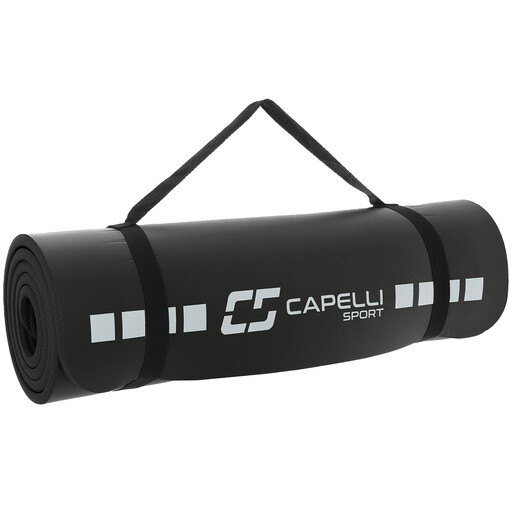
Why It Stands Out
Here, there are no compromises: at 1.2 cm thick, this model goes all-in on comfort and cushioning. Its NBR foam is specially designed to absorb impact and protect your joints.
Benefits
Who Is It For?
For anyone with sensitive joints or those seeking maximum comfort. It's the perfect choice for Pilates, gentle workouts, or as a versatile home fitness mat.
Our selection covers specific needs, but the world of yoga mats is vast. To explore other thicknesses, materials, or designs and find your perfect match, feel free to browse our full catalogue.
? Discover all our yoga and fitness mats
For TPE or NBR mats, a damp cloth with a little mild soap works wonders. Then, let it air-dry, but keep it out of direct sunlight. For a cork yoga mat, it's even simpler: a quick wipe with a damp cloth is all it takes, as cork is naturally antibacterial and resists odours. In any case, avoid harsh detergents and machine washing!
It's all about the trade-off between grip and cushioning. A non-slip yoga mat will prioritise grip and a moderate thickness (3-6 mm) to ensure perfect stability in poses. In contrast, a fitness mat is often thicker (10 mm and up) to provide maximum cushioning for floor exercises (crunches, planks, etc.), even if it means sacrificing some of the stability that's essential for yoga.
Absolutely, and in fact, that's its superpower!?Unlike most materials that become slippery when wet, cork does the opposite. Thanks to the suberin it contains, its grip actually improves with sweat. This makes it an ultra-secure surface, perfect for intense practices where you sweat a lot.