
Livraison le jour même ou le lendemain

Qualité garantie

Débloquez vos offres de bienvenue: Livraison GRATUITE | Jusqu'à -80 % | 30 jours d'essai gratuits à JoyPlus
Téléchargez l'application
A non-slip mat should not be chosen based solely on its colour or price. Whether it is used in a gym, kitchen, car or gaming setup, its stability depends on the material, surface and flooring it is placed on. If it is the wrong size, it may slip, deform or retain moisture after just a few weeks.
Here are the criteria to consider before buying, along with a selection of models suited to different everyday uses in France.
An embossed or woven surface can improve grip, but it does not guarantee that the mat will remain stable on its own. The underside must also have a base suitable for the type of flooring involved: wood flooring, tiles, PVC or carpet. For dynamic activities, also check that the mat remains completely flat across its entire surface.
A sports mat that is too short can restrict floor-based movements. Conversely, a gaming mouse mat that is too small may force you to reposition your mouse during a game. On a table, a washable placemat should cover enough space for the plates and cutlery without extending beyond the table in an awkward way.
Claims such as “durable”, “waterproof” or “easy to clean” are only useful when backed up by specific details. Check the material, thickness, permitted cleaning methods and usage limitations. A water-resistant mat is not necessarily designed to remain submerged, be exposed to flames or stay outdoors all year round.
PVC generally provides a surface that is easy to wipe clean, making it suitable for a yoga mat or fitness floor mat used at home. PE, found on some protective mats for sports equipment, offers a lightweight structure with slight cushioning. Rubber is especially common on the base of gaming mouse mats, as it helps prevent them from moving across the desk.
In the kitchen, food-contact-safe silicone is suitable for kneading and working with dough. However, it is still essential to follow the manufacturer’s recommendations regarding heat, flames and the use of sharp utensils.
For yoga, Pilates and floor exercises, a thickness of 3 to 6 mm is generally suitable. A 3 mm model is easy to transport and store, while a 6 mm mat provides greater comfort on hard flooring. To protect the floor beneath fitness equipment, an interlocking tile measuring 1.2 cm provides a more substantial cushioning layer.
Thickness is not everything: it cannot replace stability. A thick mat placed on uneven flooring may still be unstable. Before installing it, clean the surface, remove any dust and make sure the floor is dry and completely flat.
A genuinely easy-care mat should be cleanable with a damp cloth and, if necessary, a mild soap. Avoid abrasive products, bleach and solvents when the instructions advise against using them. After cleaning, allow it to dry completely before rolling it up or putting it away.
For a waterproof picnic blanket, choose a moisture-resistant base and a foldable design. For a bespoke car mat, always check compatibility with the vehicle model, fixing points and pedal area.
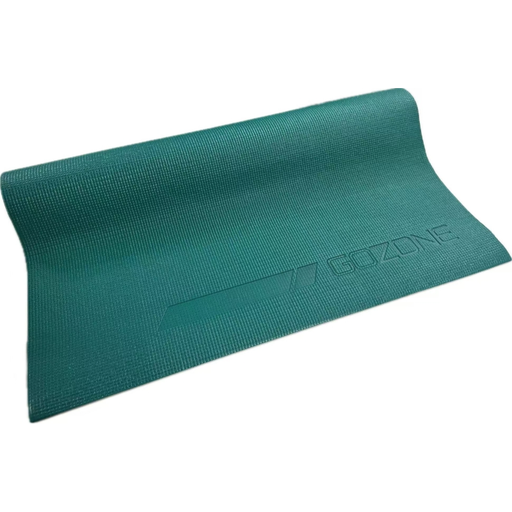
Why this choice suits this profile : this yoga mat is suitable for your first Pilates, mobility or floor exercise sessions, whether at home or in the gym.
Its 173 × 61 cm dimensions and embossed PVC surface provide precise details to consider before buying, without making vague claims about its use.
3 mm thickness, embossed non-slip surface and cleaning with a damp cloth.
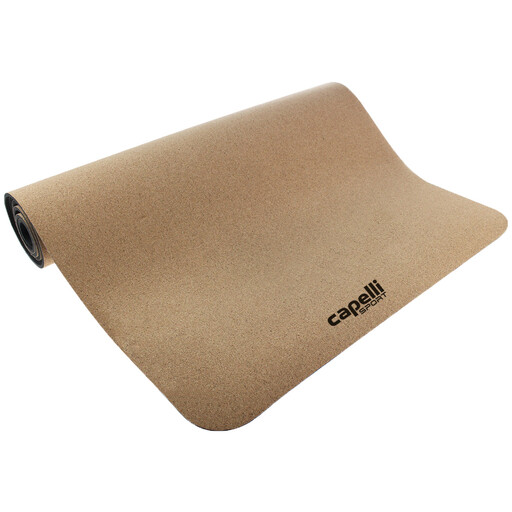
Why this choice suits this profile : this model combines a cork top layer with a TPE base, for those looking for an alternative finish to conventional PVC.
The product details specify both materials, the 183 × 61 cm format and the care limitations, including the instruction not to soak it.
61 × 183 cm format, stated thickness of 6 mm and cork surface whose grip increases with moisture.
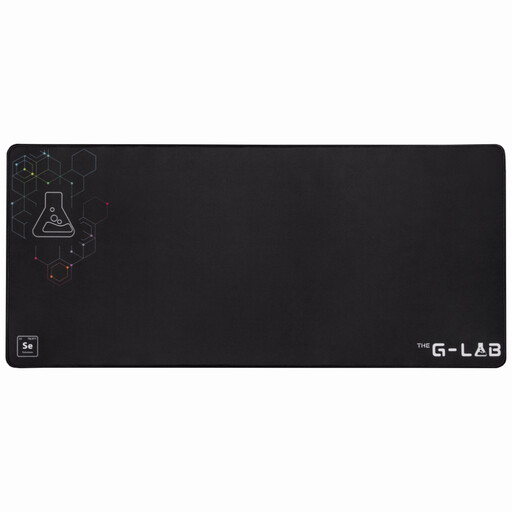
Why this choice suits this profile : its XXL format is designed for gamers and home workers who use a keyboard, mouse and other peripherals at the same time.
The 900 × 400 mm dimensions and 4 mm thickness make it possible to check compatibility with your desk before ordering.
Non-slip rubber base, stitched edges, washable surface and stated splash protection.
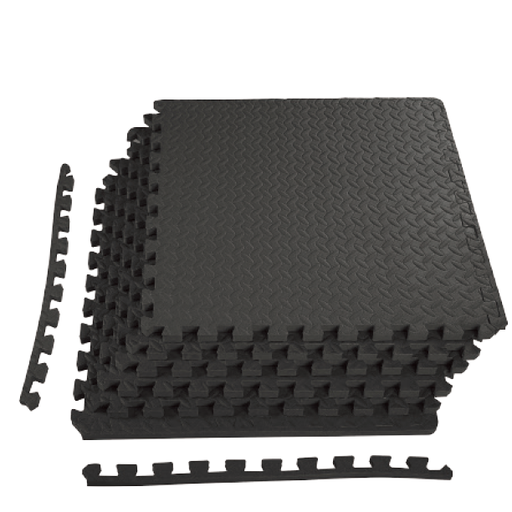
Why this choice suits this profile : these tiles are suitable for an exercise area or for placing fitness equipment on a flat floor.
The interlocking system lets you adjust the covered area and avoids choosing a single mat that is too small for the available space.
Six 60 × 60 cm tiles, 1.2 cm thickness, non-slip surface and cleaning with a damp cloth.
We have put together a complete, real-time updated selection of products that meet these strict criteria and European safety regulations.
Clean and dry the tiles before placing the mat. Unroll it or assemble the tiles flat, then check that the base is gripping the floor properly. On a very smooth surface, check regularly for movement and replace the mat if it starts to deform or tear.
It all depends on how often it is used, the weight of the equipment and how well it is maintained. A yoga mat used a few times a week will not wear in the same way as a mat placed beneath heavy equipment. Regularly inspect the edges, areas bearing weight and non-slip surface.
Start by removing any dust, then use a damp cloth and, if permitted by the instructions, a little mild soap. Never put a mat away while it is still damp. Silicone mats can generally be washed according to the manufacturer’s instructions, while gaming mouse mats often need to be cleaned carefully without prolonged immersion.