
Livraison le jour même ou le lendemain

Qualité garantie

Débloquez vos offres de bienvenue: Livraison GRATUITE | Jusqu'à -80 % | 30 jours d'essai gratuits à JoyPlus
Téléchargez l'application
The non-prescription glasses market is booming. Whether for improving reading comfort, protection at work, optimising sports performance, or even viewing information hands-free, their uses are multiplying. But faced with this jungle of options, making the right choice can be a daunting task. Many models boast appealing features on paper that turn out to be disappointing, or even useless, in daily life. To help you see more clearly, our editors have broken down the most common pitfalls and listed the essential criteria to check before you buy.
To avoid buyer's remorse, here are the three most common mistakes to steer clear of.
To ensure you make the right choice, focus on the key technical points that truly make a difference in quality and suitability for your needs.
The choice of materials is the primary guarantee of your glasses' longevity and your comfort.
Always compare the technical specifications with your actual use case.
To move from theory to practice, here are a few models that tick all the boxes for specific user profiles.
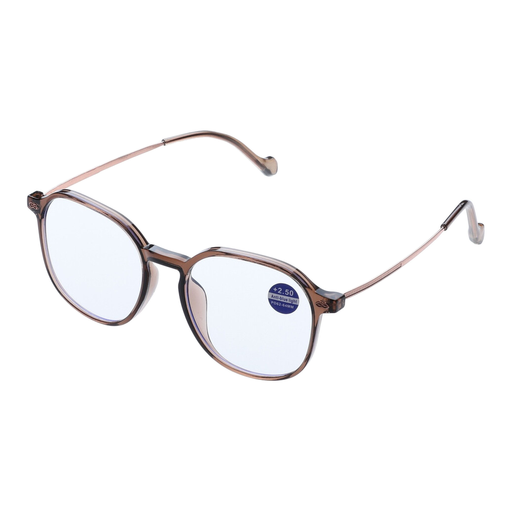
Why we like it: Perfect for anyone seeking a simple and effective solution for extended reading. Their classic design and robust construction make them a reliable companion, both at the office and at home.
This model gets straight to the point: delivering clear and comfortable magnification. It avoids the trap of fragile materials with a full-rim frame that effectively protects the lenses and ensures excellent stability.
Simple and durable design, built for everyday use. Timeless, unisex style that suits any occasion.
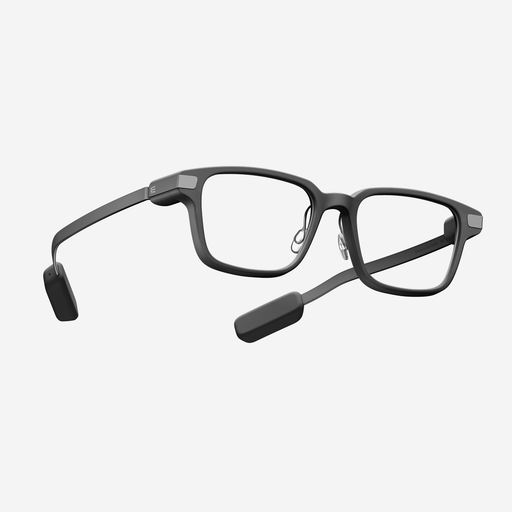
Why we like it: Designed for professionals who want discreet access to information (translations, notifications, teleprompter) without being isolated. Their minimalist design and lack of a camera ensure discretion and make them socially acceptable in public.
They avoid the gimmick-feature trap by focusing on utility and solid battery life (up to 2 days). Their feather-light weight (36 g) and titanium/magnesium frame ensure optimal comfort, even after hours of use.
Discreet and perfectly readable Micro-LED display. Camera-free design respects privacy. Extended battery life thanks to the included charging case.
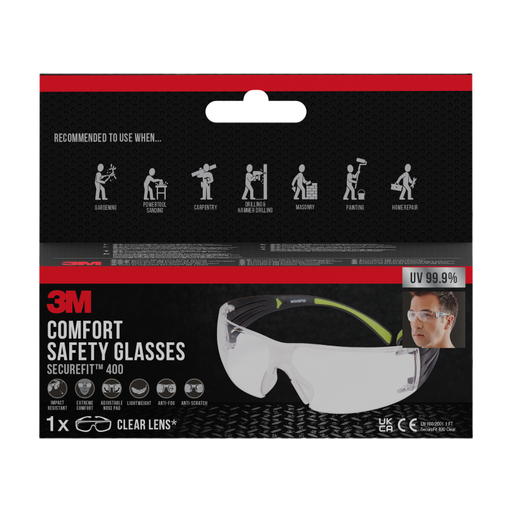
Why we like it: The benchmark in eye protection for DIY projects, workshop tasks, or even sports (mountain biking, running...). The absolute priority is safety and comfort, even during sudden movements.
No more "one-size-fits-all" headache! The 3M Pressure Diffusion Temple Technology automatically adjusts to the wearer's face, ensuring a secure fit without pressure points.
Compliant with the EN166:2001 safety standard. Polycarbonate lenses with anti-scratch and anti-fog coating. Feather-light at 19 g.
Explore our full selection of products that meet our quality criteria and current safety standards.
For magnifying glasses, the simplest method is to start with the lowest correction (e.g., +1.00 or +1.50) and perform a reading test at a comfortable distance (about 40 cm / 16 inches). If the text is still blurry, move up to the next power level. Above all, do not choose a correction that is too strong: you risk unnecessarily straining your eyes and causing headaches.
Absolutely. An eye accident can happen in an instant, even during a task as simple as drilling a hole or sawing a board. Safety glasses with polycarbonate lenses provide an essential barrier against projectiles, debris, and dust. It's a negligible investment to protect your eyesight.
Battery life varies enormously from one model to another and depending on your usage. Spec sheets often advertise a duration for "normal use." For smart glasses with a display, the range spans from just a few hours to more than two days for the most durable models. Pay close attention to models that come with a charging case: it's the best solution for extending their use when you're on the go.