
Livraison le jour même ou le lendemain

Qualité garantie

Débloquez vos offres de bienvenue: Livraison GRATUITE | Jusqu'à -80 % | 30 jours d'essai gratuits à JoyPlus
Téléchargez l'application
Non-alcoholic drinks are no longer just about standard fizzy drinks. Kombucha, malt drinks, Asian specialities, sparkling infusions and instant mixes: the formats and recipes are multiplying. That means more variety, but it also makes choosing what to put in your basket more complicated.
Before you place an order, there are three pitfalls worth paying particular attention to:
For family consumption, during pregnancy, before driving, or as part of strict abstinence, look for a clear indication like 0.0% vol. or "non-alcoholic drink". Fermentation doesn't automatically mean a total absence of alcohol. Fermented rice drinks and some kombuchas can contain traces or a measurable residual amount: the product label is your reference.
Compare the values per 100 ml, then relate them to the volume you actually drink. As a guide:
A low-calorie drink therefore doesn't necessarily have the same flavour profile as a malted or fruity one. Also check for the presence of sweeteners if you prefer to avoid them.
A fermented drink may have a slight acidity, natural sediment or variable fizz. Kombucha is usually served chilled and needs to be handled with care before opening. A probiotic lactic drink may contain milk and soya, like the WANT WANT Lactic Acid Bacteria Drink. Malt drinks generally contain barley and therefore gluten.
For an Asian rice-based drink, check the ingredients list, the alcohol content and the storage conditions after opening. For a multipack, also think about storage space and total weight: a case of 24 glass bottles isn't the same proposition as six small bottles or ten sticks.
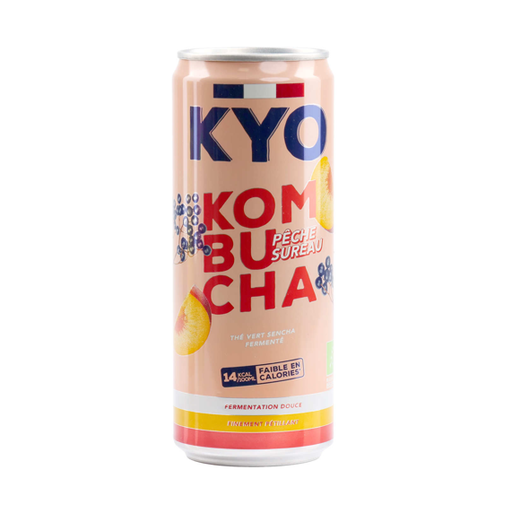
Why this choice suits this profile: At 33 cl, this kombucha lets you discover the category without committing to a large bottle straight away. Its recipe combines peach, elderberry and Sencha green tea.
The listing states it's made in France, uses organic ingredients and provides detailed nutritional values. It doesn't present itself as completely alcohol-free: check the packaging if this is crucial for you.
33 cl, 14 kcal per 100 ml, peach and elderberry recipe, no allergens declared on the listing.
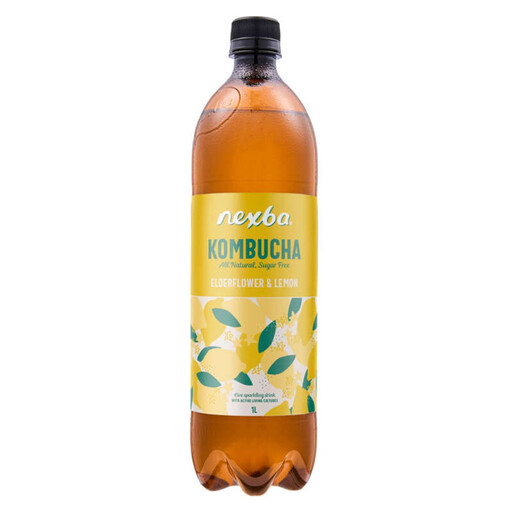
Why this choice suits this profile: The one-litre format is ideal for serving at the table or for making chilled drinks. The combination of elderflower and lemon offers a more aromatic profile than a standard fizzy drink.
The listing provides the full ingredients list and an energy value of around 2 kcal per 100 g. The presence of erythritol and steviol glycosides is clearly stated.
One-litre format, around 2 kcal per 100 g, live cultures listed in the ingredients, stores at room temperature before opening.
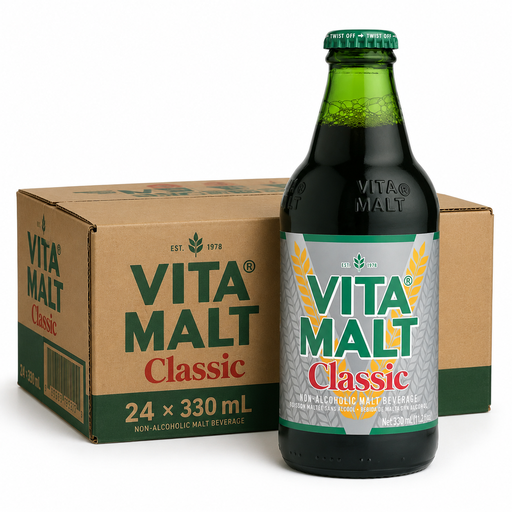
Why this choice suits this profile: This case of 24 bottles is ideal for events, offices and households that regularly serve a non-alcoholic malt drink.
The listing clearly states the presence of barley and gluten, as well as the sugar and calorie content. Anyone affected can therefore rule out this product before buying.
24 glass bottles of 330 ml, malt, hop and caramel flavours, non-alcoholic drink according to the listing.
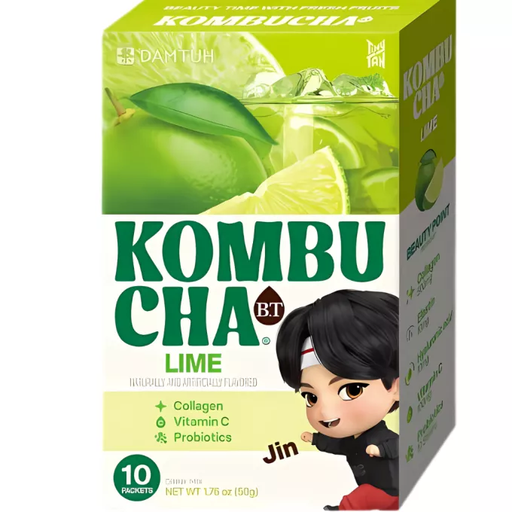
Why this choice suits this profile: The 10 individual sticks slip easily into a bag or desk drawer. Simply mix one 5 g stick with 250 ml of cold water.
The dosage is clearly stated, so you avoid making the drink too strong or too weak. However, the presence of fish collagen should be noted if you have an allergy.
10 sticks of 5 g, quick to prepare, lime flavour, fermented kombucha powder and detailed ingredients on the listing.
We've put together a comprehensive, real-time selection of products that meet these strict criteria and comply with European safety regulations.
No. Fermentation can produce small amounts of alcohol. Some listings mention negligible traces, while other fermented drinks show a measurable content. If a total absence of alcohol is essential, check the regulatory statement and the product label before consuming it.
A kombucha or a sparkling citrus drink could work if you're after a marked acidity and fizz. However, compare the sugar and sweetener content. A maté drink, on the other hand, contains caffeine: MOJO MATÉ has 24 mg of caffeine per 100 ml, something to consider depending on the time of day and your sensitivity.
A multipack can reduce the price per unit and make storage easier, but compare the price per litre, the volume of each container and the storage conditions. To try a new recipe, a small format or a few sticks limit the risk of an unused purchase. For regular consumption or an event, a pack of 6, 12 or 24 units may be more suitable.