
Livraison le jour même ou le lendemain

Qualité garantie

Débloquez vos offres de bienvenue: Livraison GRATUITE | Jusqu'à -80 % | 30 jours d'essai gratuits à JoyPlus
Téléchargez l'application
Non-alcoholic drinks accompany meals, work breaks, outings and family gatherings. However, packaging does not always make it easy to compare products. A claim such as “with fruit”, “vitamin-enriched” or “no added sugar” does not necessarily tell you what the bottle actually contains.
Before you buy, three common pitfalls are worth bearing in mind:
To choose a drink suited to your everyday life in France, start by checking the ingredients, nutritional declaration and storage instructions.
The “carbohydrates, of which sugars” line should be checked per 100 ml. This common basis makes it easier to compare a small can, a 50 cl bottle or a 90 cl carton.
For guidance, the available product information states:
A low-calorie drink is therefore not necessarily free from sweeteners. Similarly, a no added sugar drink may still contain sugars naturally present in fruit. If you are monitoring your intake, also consider how much you actually consume: 50 cl of a drink containing 13 kcal per 100 ml amounts to around 65 kcal.
Claims such as “fruit juice”, “with fruit” or “fruit flavour” can cover very different recipes. To get a clearer picture, check the ingredients list and the quantitative declaration.
Joker Orange-Kiwi-Banana Juice 90 cl states, among other things, 31% apple juice, 22% orange juice, 11% kiwi purée and 5% banana purée. Meanwhile, JOKER strawberry and raspberry drink contains 20% fruit, including 1% strawberry juice and 1% raspberry juice.
In the case of Asian drinks, the recipe may highlight less common ingredients. Nawon melon drink, for example, states 30% melon juice and 9% basil seeds, while Huierkang winter melon tea contains at least 5% winter melon juice. This information helps distinguish a measurable quantity of fruit from a simple flavour reference.
The format should match how often you drink it:
Instructions vary from one product to another. Several products must be refrigerated after opening and consumed within 24 to 72 hours. Drinks containing seeds, such as Nawon melon drink, should be shaken before drinking to distribute the ingredients evenly.
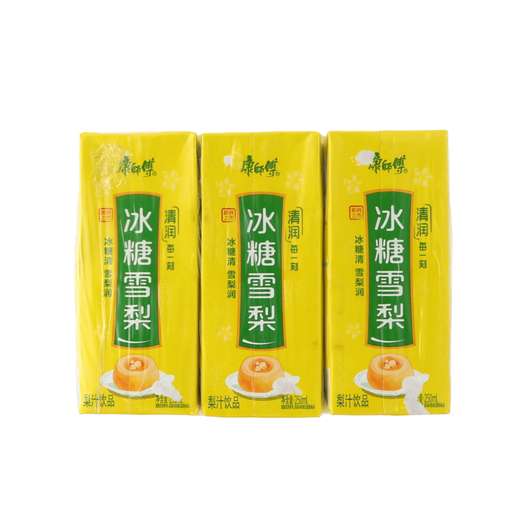
Why this choice suits this profile : Its pack of six 250 ml cartons lets you try an Asian fruit flavour without committing to a large volume.
The product information states that it contains 11% pear juice and clearly specifies the sugar content, making it easier to compare with other fruit drinks.
An individual 250 ml, ready-to-drink format, with 45 kcal and 7 g of sugars per 100 ml according to the product information.
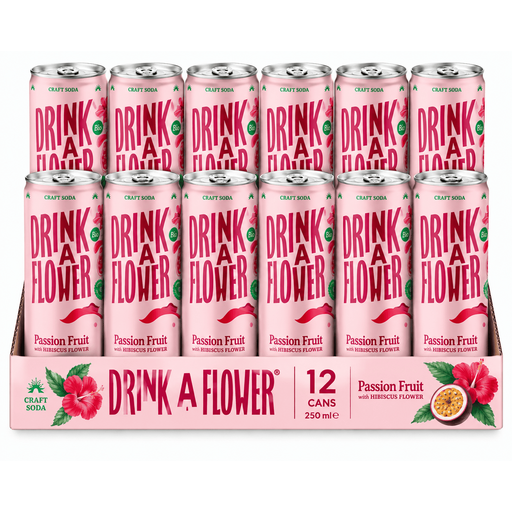
Why this choice suits this profile : This sparkling drink, available in small cans, is ideal for non-alcoholic aperitifs and occasions where presentation matters.
The product information clearly states the hibiscus and passion fruit flavour and the pack size of 12 x 25 cl cans.
A sparkling infusion, an organic certification stated in the product information and a format well suited to individual serving.
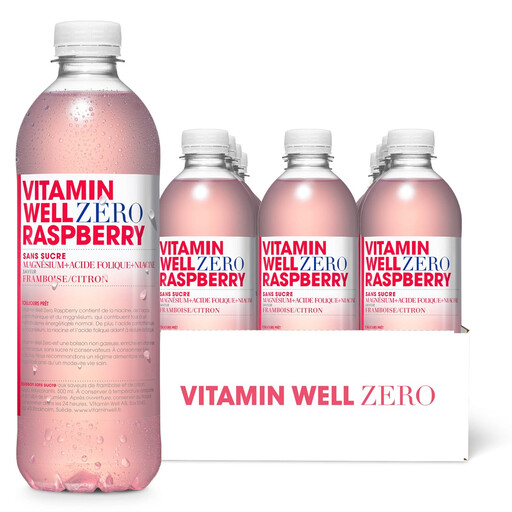
Why this choice suits this profile : The pack of 12 50 cl bottles is suitable for an office, student accommodation or regular consumption on the go.
The product information specifies 0 g of sugars and 1 kcal per 100 ml, while also indicating the presence of sweeteners among the ingredients.
A still raspberry and lemon drink, providing a total volume of 6 litres. According to the product information, the bottles are made from recycled plastic.
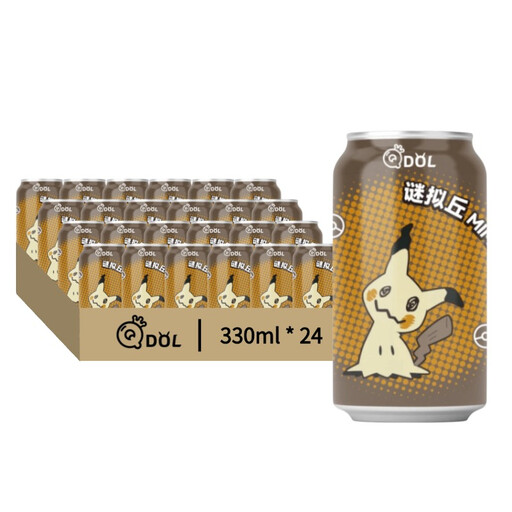
Why this choice suits this profile : Its large can pack and distinctive flavour profile could be a hit at teatime, parties or gatherings where everyone can take their own serving.
The format, sparkling character and melon-coffee flavour are clearly specified, rather than relying on a vague promise of refreshment.
24 x 330 ml cans, a recipe presented as a non-alcoholic cocktail and packaging that is convenient when serving.
We have compiled a complete, real-time updated list of products that fully meet these strict selection criteria and European safety regulations.
Compare the “of which sugars” line per 100 ml with the ingredients list. A recipe advertised as having no added sugar may contain grape juice, apple juice or other concentrates. If you want to avoid these, also look out for drinks containing sweeteners.
A multipack may reduce the price per unit, but you should mainly compare the price per litre, total volume and shelf life after opening. Cans and small cartons often help limit waste, while a large bottle is more convenient for a shared meal.
Always follow the instructions on the label as a priority. Most fruit drinks, iced teas and vitamin waters should be refrigerated after opening and consumed quickly, generally within 24 to 72 hours. A drink containing seeds or particles may also need to be shaken before serving.