
Livraison le jour même ou le lendemain

Qualité garantie

Débloquez vos offres de bienvenue: Livraison GRATUITE | Jusqu'à -80 % | 30 jours d'essai gratuits à JoyPlus
Téléchargez l'application
Non-alcoholic drinks serve several purposes in France: driving after an aperitif, reducing alcohol consumption, pairing with a meal or offering an alternative to alcoholic beverages during a celebration. However, the words “non-alcoholic” are not always enough to make the right choice.
Among alcohol-free beer, non-alcoholic aperitifs, alcohol-free cocktails, non-alcoholic spritzes and sparkling alcohol-free wine, differences in ingredients, sugar content and allergens can significantly affect both the drinking experience and the product’s suitability for your needs.
A drink displaying 0.0% ABV provides more precise information than a simple “non-alcoholic” claim. Depending on the product category and applicable regulations, some drinks may contain traces or a small residual amount of alcohol. Anyone who must avoid alcohol strictly, particularly for medical, religious or personal reasons, should consult the product information and manufacturer’s label.
For pregnant women, marketing language cannot guarantee the absence of risk. Official recommendations advise avoiding alcohol during pregnancy. If in doubt, seek advice from a healthcare professional.
A sugar-free fruit drink may contain a sweetener such as sucralose to preserve a smooth, sweet taste. Conversely, a peach-flavoured non-alcoholic beer may contain sugar and around 41 kcal per 100 ml, as stated in the Tourtel Twist Peach product information.
Always compare nutritional values per 100 ml, but also check the figures for the entire bottle. A 27.5 cl or 33 cl serving can contain a very different amount of carbohydrates from a small glass.
Non-alcoholic beer and 0° beer made with malted barley generally contain gluten. This applies to the Tourtel Twist products featured here. They are therefore unsuitable for people with a gluten allergy or intolerance unless approved in advance as part of their dietary regimen.
De-alcoholised wines and some alcohol-free sparkling wines often contain sulphites. Their presence should be checked on the packaging. Crodino, meanwhile, is listed as containing sulphites in the information provided for certain products.
For an alternative to alcoholic drinks intended for driving or completely alcohol-free consumption, look specifically for:
A rosé whose product information is contradictory should not be treated as a de-alcoholised rosé. For example, the Fleurs de Prairie De-Alcoholized Rosé Wine listing states 12.5% ABV in the data provided. It should therefore not be selected as an alcohol-free wine until the actual labelling has been clarified.
For an aperitif, a sparkling, fruit-forward drink is often easier to serve than a product with pronounced beer aromas. At the table, alcohol-free sparkling wine or white wine generally pairs well with lighter dishes, while an alcohol-free spritz delivers a more pronounced bitterness.
The main categories are:
Individual formats are ideal for occasional consumption and avoid leaving an opened bottle unfinished. 75 cl bottles are better suited to a dinner table or party, but should be served chilled and stored according to the producer’s instructions.
For reference, Tourtel Twist Lemon alcohol-free contains 9 kcal per 100 ml, with no added sugar and sucralose. Tourtel Twist Raspberry contains approximately 19 kcal per 100 ml, while Tourtel Twist Peach provides around 41 kcal per 100 ml and 9.5 g of sugar. Crodino Yellow lists 45 kcal and 11 g of sugar per 100 ml according to the available information.
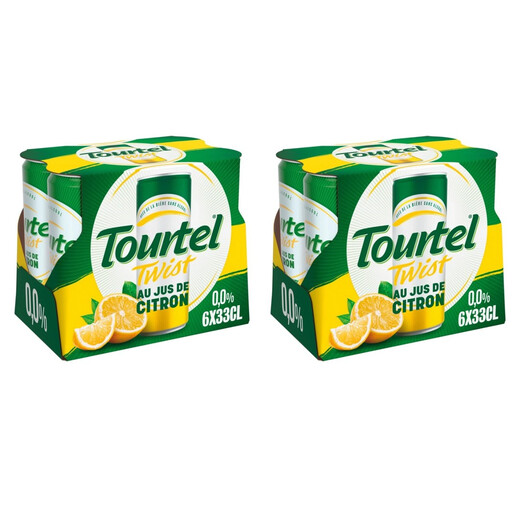
Why it suits them: Its 12 × 33 cl format is ideal for regular aperitifs, meals and shared occasions. Its lemon flavour delivers instantly recognisable freshness.
The product information states 0.0% ABV and 9 kcal per 100 ml. It also specifies the presence of malted barley, and therefore gluten.
With no added sugar, sucralose and 2.8% lemon juice, it works well for a wide range of occasions.
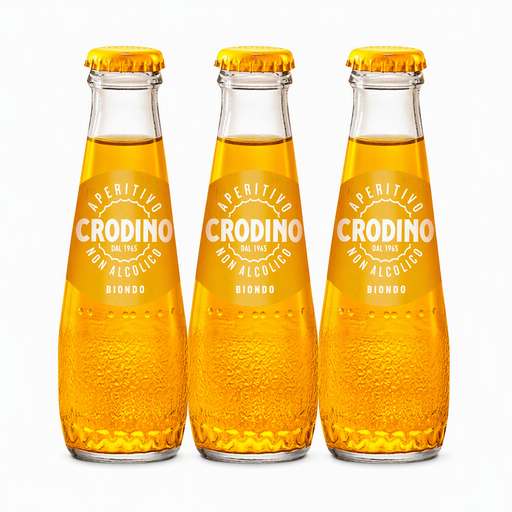
Why it suits them: This ready-to-serve alcohol-free cocktail is designed for those seeking a spritz-style presentation, served over ice with a slice of orange.
Its bitter profile and stated 11 g of sugar per 100 ml make it unsuitable if you are looking for a low-sugar drink.
Three 17.5 cl bottles, with no allergens declared in the supplied product information, ready to serve over ice.
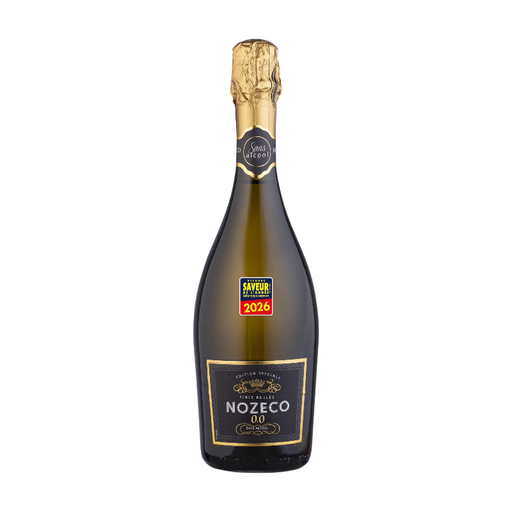
Why it suits them: Its 75 cl bottle and fine bubbles are perfect for a toast, brunch or meal where everyone pours a glass of their own.
The product information states 0% ABV, but also indicates the presence of sulphites. Check the label if you are sensitive to this additive.
Its fruity, floral profile and 24 kcal per 100 ml according to the supplied information make it a particularly well-suited choice for celebrations.
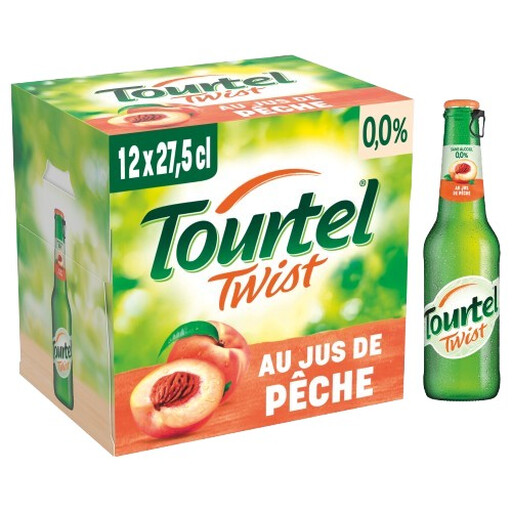
Why it suits them: Peach and bubbles are ideal for a summer aperitif or a refreshing break, particularly if you enjoy softer flavours.
It contains malted barley and approximately 9.5 g of sugar per 100 ml. It is therefore neither gluten-free nor sugar-free.
With 4.5% peach juice according to the product information and individual bottles best served well chilled, it fits effortlessly into an impromptu aperitif.
We have brought together an up-to-date selection of products matching these criteria and the safety information applicable in France.
No, not necessarily. However, beers made with malted barley generally do. The Tourtel Twist products featured in this selection specify that they contain gluten from barley. Anyone following a gluten-free diet should look for certification or an explicit statement on the packaging.
Shelf life varies by product. Carbonated drinks and ready-to-serve cocktails lose their fizz quickly. Product information generally recommends storing opened bottles in the refrigerator and consuming them promptly, often within 24 to 48 hours or within two to three days. Always refer to the label.
No. Alcohol content, sugar content and calories are three separate pieces of information. Check the nutrition panel and ingredients list. Before buying, also verify that the product name is consistent with its actual alcohol content.