
Livraison le jour même ou le lendemain

Qualité garantie

Débloquez vos offres de bienvenue: Livraison GRATUITE | Jusqu'à -80 % | 30 jours d'essai gratuits à JoyPlus
Téléchargez l'application
The Paris Metro, an open-plan office, noisy neighbours, plane journeys or a very loud concert: noise-cancelling headphones can significantly improve your everyday comfort. However, choosing the right device is essential, as not all models meet the same needs. The main risk is being tempted by a product that looks appealing on paper, only to discover that it is too tight, does not stay in place or lets through the most disruptive sounds.
Before comparing Bluetooth noise-cancelling headphones, noise-cancelling earbuds or simple earplugs, it is important to distinguish listening comfort from genuine hearing protection.
Active noise-cancelling headphones use microphones and electronic processing to reduce certain ambient sounds, particularly continuous, low-frequency noise from a train or plane. This technology does not automatically replace protection designed for industrial environments.
For DIY, workshops or building sites, check for an attenuation rating such as the SNR, expressed in decibels, as well as the compliance information shown on the packaging. Some 3M Peltor models, for example, display an SNR of 27 dB. ANC headphones can be highly effective for listening to music while travelling, without necessarily being suitable for occupational exposure to noise.
A figure such as “44 dB” or “49 dB” is not enough to predict performance in every situation. It may be the maximum level stated by the manufacturer, measured under very specific conditions. Fit, ear shape, gaps around the ear cushions and the type of noise all have a tangible impact.
With Bluetooth ANC earbuds, the acoustic seal provided by the tips is therefore just as important as the electronics. For noise-reducing earplugs, the quality of the fit often matters more than a general claim displayed on the box.
Headphones that are too heavy or earbuds that keep slipping quickly become uncomfortable to wear. Take the time to check:
Noise-cancelling headphones for sleeping should remain discreet and comfortable, especially when sleeping on your side. For a long-haul flight, good battery life, a case and a wired connection may prove more useful than a sophisticated audio mode.
Passive noise reduction relies on a physical barrier: ear cushions, ear cups or malleable material. QUIES natural wax earplugs mould around the entrance to the ear canal and are designed for single use. They may be suitable for sleeping, travelling or moderately noisy environments, provided that the usage instructions are followed.
QUIES foam earplugs claim an average reduction of 35 dB. Roll them, insert them without forcing and then hold them in place while they expand. They are not designed for swimming and do not replace approved industrial equipment when noise levels require it.
Active noise-cancelling headphones are primarily designed for listening to music, making calls or travelling. They reduce perceived noise, but may also limit your awareness of your surroundings. Activate ambient mode near traffic, at a station or whenever you need to hear announcements and what is happening around you.
For Bluetooth noise-cancelling headphones, compare the battery life with your daily routine. A stated battery life of 24 to 30 hours is generally enough for several journeys. Earbuds offering 6 to 8.5 hours per charge are more focused on portability, with their case providing several additional charges.
Multipoint connectivity makes it easier to switch between a work computer and a phone. Bluetooth 5.3 or 5.4 can provide a modern, stable connection, but the experience also depends on your smartphone, app and software updates. Fast charging is especially useful when you only have a few minutes before setting off.
A good fit should not cause any pain or require deep insertion. Clean earbuds and ear cushions according to the instructions, without pouring liquid over the electronic components. Replace the ear cushions when they crack, harden or no longer provide a proper seal.
Whatever the model, avoid listening at high volume for prolonged periods. Children require particular care: small ear tips and accessories pose a choking risk, and audio models are not toys. For noisy events, 3M Peltor ear defenders designed for children may be worth considering, depending on the child’s age and size and the environment.
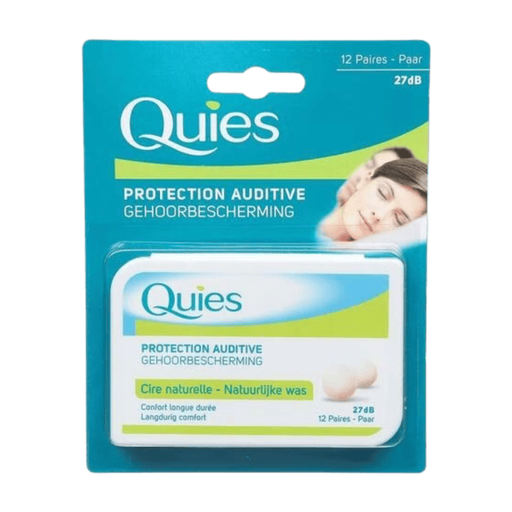
Why this choice suits this profile: With no battery or complicated settings, this format is ideal for anyone looking to try simple protection for sleeping, travelling or occasional work in noisy conditions.
The malleable wax moulds around the entrance to the ear, with no rigid tip or mobile app required.
12 pairs, malleable natural wax, single use and manufactured in France.
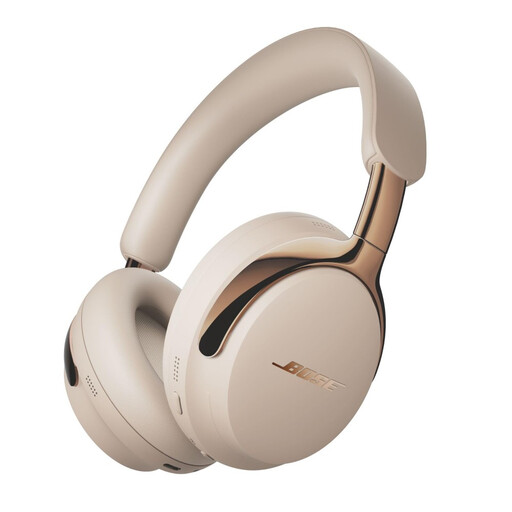
Why this choice suits this profile: With an over-ear design, Quiet and Aware modes and immersive audio, they are suited to frequent travellers and music lovers alike.
The different modes help you avoid being completely cut off when you need to keep an eye — and an ear — on your surroundings.
Stated battery life of up to 30 hours in Quiet/Aware modes, USB-C charging and Bluetooth connectivity.
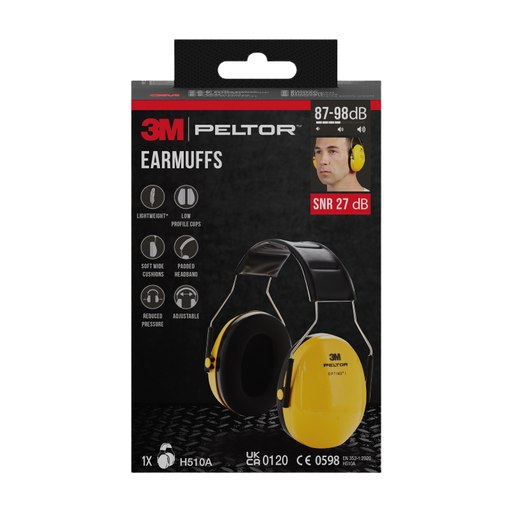
Why this choice suits this profile: This ear defender is designed for DIY and working environments where passive isolation and an adjustable headband are the priorities.
The SNR provides a more meaningful technical reference than a simple promise of silence, provided that a good seal is achieved.
Stated SNR of 27 dB, adjustable headband, with ear cushions to inspect and replace when they no longer provide a good seal.
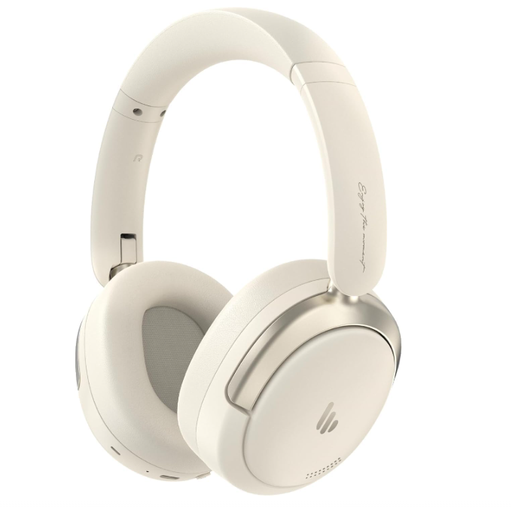
Why this choice suits this profile: They combine an over-ear design, an integrated microphone and dual connectivity, making it easy to switch between your computer and phone.
The foldable design makes it easier to carry, while the two-device connection avoids repeated adjustments during working days.
Stated hybrid noise reduction of up to 44 dB, Bluetooth 5.4, stated battery life of up to 45 hours and fast charging.
We have put together a comprehensive, real-time updated list of products that meet these strict selection criteria, as well as European safety regulations.
Over-ear audio headphones can create uncomfortable pressure when you sleep on your side. For this use, wax or foam earplugs are generally more discreet, provided that you follow the insertion instructions, do not push them in too deeply and replace them in line with the recommendations. If you experience irritation, eczema or an ear infection, stop using them and seek advice from a healthcare professional.
ANC works electronically on certain ambient sounds and is mainly used with an audio source. Passive hearing protection, such as earplugs or ear defenders, relies on physical attenuation. In a professional setting, check the SNR rating and the requirements associated with your role rather than relying solely on the presence of Bluetooth or an app.
In addition to the purchase price, there are electricity costs for charging, possible replacement of the ear cushions and the battery’s gradual loss of capacity. Disposable earplugs represent a recurring cost for each pair, but require neither cables nor charging. The right choice therefore depends on how often you use them, your call requirements and whether you prefer audio playback or simple noise reduction.