
Livraison le jour même ou le lendemain

Qualité garantie

Débloquez vos offres de bienvenue: Livraison GRATUITE | Jusqu'à -80 % | 30 jours d'essai gratuits à JoyPlus
Téléchargez l'application
Escaping ambient noise to create your own bubble of peace: it's an appealing promise. Whether you need to stay focused while working from home, immerse yourself in music, or simply survive the daily commute, a good pair of noise-cancelling headphones can be a life-changer. The problem? The market is flooded with marketing promises, and it's easy to make the wrong choice.
As a product expert at Joybuy, my mission is to help you see things more clearly. Here are the pitfalls to avoid and the essential criteria for making the right choice, without getting fooled by technical jargon.
To avoid these pitfalls, here are the objective technical specifications to examine to judge a headphone's quality and determine if it's truly right for you.
The performance of noise-cancelling headphones relies on two complementary technologies:
The form factor of your headphones or earbuds should primarily match your use case and your anatomy.
A good pair of Bluetooth headphones should be seamless in your daily life.
headset microphone Quality: If you plan on making calls or hopping on back-to-back video conferences, microphone clarity is non-negotiable. A poor-quality headset microphone will make conversations painful for the people you're talking to.The perfect pair of headphones doesn't exist. However, the perfect pair for you does. Here is our selection, designed for different user profiles.
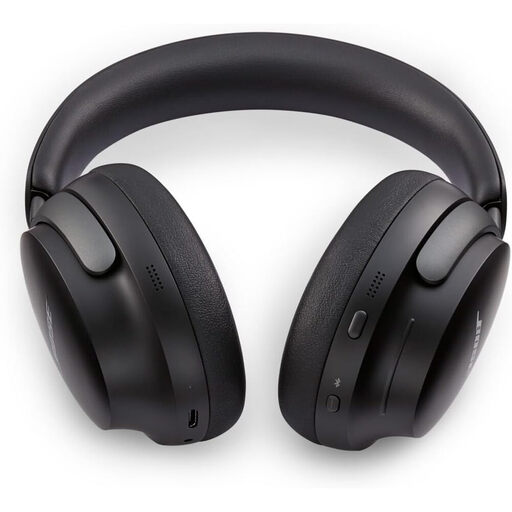
Why it's a match: Perfect for professionals in open-plan offices, frequent flyers, and anyone who wants to retreat into a bubble of silence. Its strength? Benchmark sound isolation and comfort designed for hours of wear.
It avoids the "noise cancellation mirage" pitfall with proven ANC technology that is effective across a very wide range of frequencies. Its premium materials and over-ear design guarantee optimal comfort, even after several hours of listening.
Bose Immersive Audio technology for spatial sound; advanced noise cancellation modes (Quiet, Aware, Immersion); up to 24 hours of battery life.
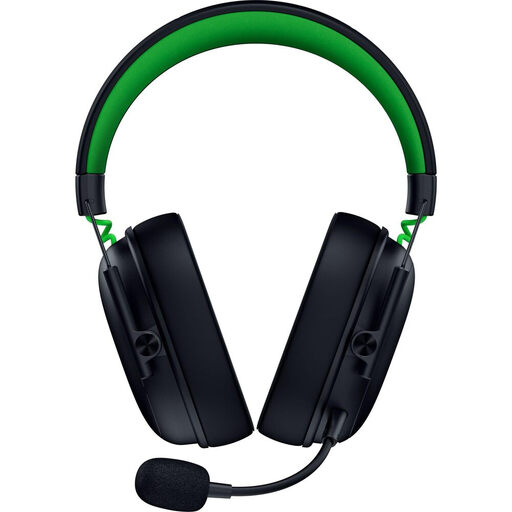
Why it's a match: Built for the competitive gamer, this gaming headset focuses on near-zero latency, pinpoint audio spatialisation to locate opponents, and a flawless microphone for team communication. Its feather-light weight is a real bonus for gaming marathons.
It avoids the unstable connection pitfall thanks to its proprietary HyperSpeed 2.4 GHz wireless technology. Its detachable HyperClear microphone ensures crystal-clear communication, a common weakness on more general-purpose headsets.
Ultra-low-latency wireless connection; 7.1 surround sound for total immersion; record-breaking battery life (up to 70h on PC); ultra-lightweight design (270g).
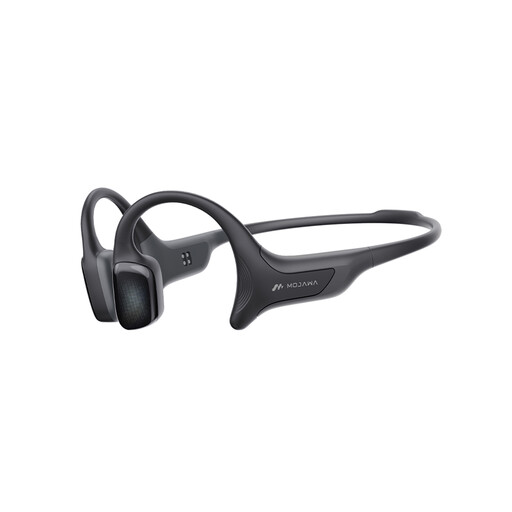
Why it's a match: The perfect partner for runners, swimmers, and cyclists. Its open-ear (bone conduction) design lets you enjoy your music while remaining fully aware of your surroundings—an essential safety feature. It's also fully waterproof and self-sufficient.
It solves the problem of earbuds that fall out or become uncomfortable during a workout. Better yet, its built-in 32GB MP3 player frees you from your smartphone, eliminating issues with Bluetooth connectivity or a phone battery dying mid-session.
Bone conduction to stay aware; IP68 waterproof rating (suitable for swimming); built-in 32GB MP3 player for total freedom.
Explore our full selection of products tested and approved by our experts, all compliant with current safety standards.
Passive noise cancellation is purely mechanical: the materials of the headphones (cushions, shells) or earbuds (tips) physically block sound. It's most effective against high frequencies. Active (ANC) noise cancellation, on the other hand, is electronic: microphones capture external noise, and a processor creates an opposite sound to neutralize it. It excels against continuous low frequencies (engines, fans). The best headphones combine both for maximum isolation.
Rarely. Manufacturers almost always advertise the maximum battery life, meaning with noise cancellation turned off and at a moderate volume. To get an accurate idea, only trust the figure advertised "with ANC on". Expect a value 20% to 50% lower than the maximum advertised battery life.
Not necessarily. While the over-ear form factor has the advantage of distributing pressure around the ear (unlike on-ear, which presses on it), the final comfort depends on a delicate balance: the headphone's weight, the headband's clamping force, and the breathability and quality of the ear cushions (leather, fabric, memory foam...). A heavy, poorly designed over-ear model will be far less pleasant than a good, lightweight on-ear model. Trying them on is still the best solution, as comfort is a very personal perception.