
Livraison le jour même ou le lendemain

Qualité garantie

Débloquez vos offres de bienvenue: Livraison GRATUITE | Jusqu'à -80 % | 30 jours d'essai gratuits à JoyPlus
Téléchargez l'application
Whether you need to block out noise while working from home, find a pocket of peace on your commute, or immerse yourself in your music, the right pair of noise-cancelling Bluetooth headphones can be a life-changer. Faced with a crowded market, it's easy to get lost in complex spec sheets and marketing promises.
Our mission? To decode the market for you. In this guide, we'll break down the key features to look for and present our selection of the best models of 2026. Our goal is to help you make the right choice—the one that truly meets your needs and your budget.
Before diving into our top picks, let's review the essential criteria to consider so you can make an informed decision.
Active Noise Cancellation, also known as ANC, uses microphones to capture ambient sounds and generate an opposing sound wave to neutralise them. It is incredibly effective against constant, low-frequency background noises: the drone of a plane engine, the rumble of a train, or the hum of an open-plan office. Be aware that not all noise cancellation is created equal. Performance varies dramatically depending on the quality of the built-in microphones and processors.
For extended use, comfort is paramount. The over-ear (circum-aural) form factor is often the most popular choice because its large earcups enclose the ears without applying direct pressure. This not only ensures superior comfort but also provides better passive isolation, which complements the effectiveness of active noise cancellation. Remember to check the headphones' weight, as well as the materials used for the headband and ear cushions (memory foam, leatherette, breathable fabric, etc.).
Headphones with long-lasting battery life are essential for commuters and frequent flyers. A battery life of 20 hours with ANC enabled is a good baseline, but many recent models easily exceed 30 or 40 hours. Don't overlook connectivity (Bluetooth 5.2 or newer for a stable connection) or the quality of the hands-free calling. Headphones with a good microphone are crucial for clear calls, and the presence of dedicated voice-capturing microphones will be a game-changer for your video conferences.
Here is our 2026 headphone comparison, highlighting three models with distinctly different profiles, from a premium experience to record-breaking endurance.
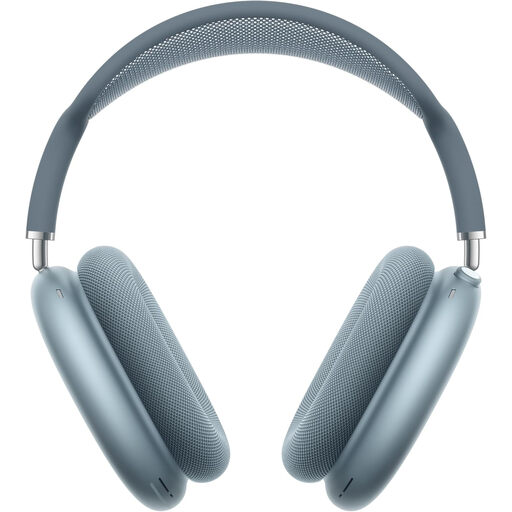
Why it stands out: The AirPods Max establish themselves as the ultimate premium choice, combining impeccable build quality with an incredibly seamless user experience, especially for fans of the Apple ecosystem.
Apple focuses here on high-fidelity audio quality, supported by custom dynamic drivers and computational audio. The active noise cancellation is stunningly effective, while Transparency mode allows you to stay aware of your surroundings. Personalised Spatial Audio with dynamic head tracking delivers an immersive listening experience worthy of a cinema.
Pros:
Who is it for? Clearly aimed at Apple ecosystem aficionados who are looking for a high-end sound experience and premium finish, coupled with unparalleled ease of use across their various devices.
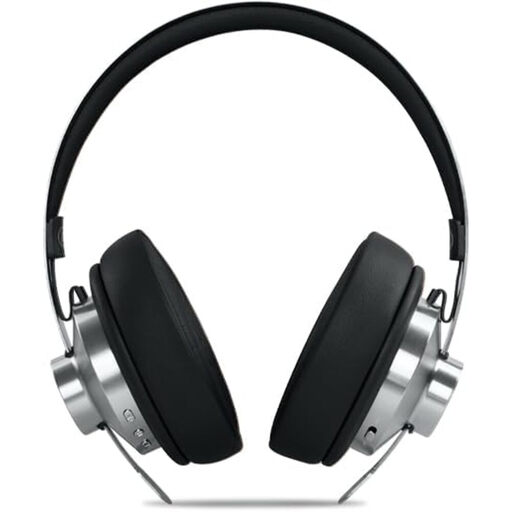
Why it stands out: The Muse M-298 SBL focuses on record-breaking battery life and an excellent price-to-feature ratio. It's the sensible choice for those for whom running out of battery is not an option.
With an advertised battery life of up to 66 hours, these headphones are a true marathon runner. They feature Active Noise Cancellation (ANC) technology and Bluetooth 5.4 for a stable connection. Their corduroy ear cushions and adjustable headband promise good comfort. Supplied with a carrying case, a USB-C cable, and an auxiliary cable, it offers a complete solution that's ready to go out of the box.
Pros:
Who is it for? Ideal for students, travellers, and anyone whose number one criterion is extra-long battery life. Its comprehensive accessory pack makes it a smart, all-in-one choice.
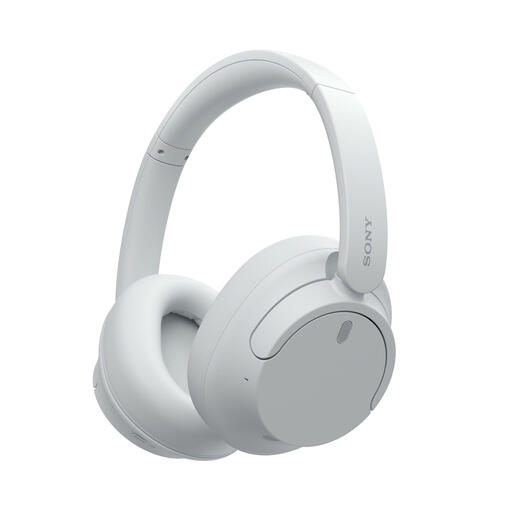
Why it stands out: The Sony WH-CH720N is the champion of balance. It inherits all of Sony's expertise in audio and noise cancellation, all in a lightweight package and at an affordable price point.
These headphones feature active noise cancellation and offer a very generous battery life of up to 35 hours with ANC and 50 hours without. Their feather-light weight of 192 grams makes them one of the lightest ANC over-ear headphones on the market, a real asset for all-day comfort. The multipoint connection allows you to pair them with two Bluetooth devices simultaneously.
Pros:
Who is it for? The ultimate Swiss Army knife for remote workers and daily commuters. It's for those seeking lightweight, comfortable, and long-lasting wireless headphones with effective noise cancellation, without breaking the bank.
We've focused on over-ear headphones, the kings of comfort and immersion. But the world of audio is much bigger! If you're looking for a more compact form factor for sports, something more discreet for your daily commute, or if you simply want to explore other types of connections, other solutions are available.
For a lighter, more portable format, take a look at our selection of USB Type-C earbuds.
Passive noise cancellation is the natural sound isolation provided by the physical design of the headphones. A well-fitting over-ear model mechanically blocks a portion of ambient noise. Active (ANC) noise cancellation is an electronic technology: microphones capture external sounds, and the headphones generate an opposing signal (an "anti-noise") to cancel them out before they reach your ears. The two work together for optimal isolation.
ANC technology is particularly effective against low-frequency, continuous, and predictable noises (engines, ventilation, etc.). It struggles more with filtering out sudden, non-repetitive sounds like conversations or ringtones. While ANC headphones will reduce the ambient chatter of an open office, they won't create a complete bubble of silence from your colleagues' voices.
Yes, most airlines permit the use of Bluetooth devices once cruising altitude is reached. As a precaution, always check your airline's specific guidelines before your flight. Many headphones, including those in our selection, also come with a 3.5 mm jack, allowing you to connect them to the in-flight entertainment system, with an adapter if necessary.