
Livraison le jour même ou le lendemain

Qualité garantie

Débloquez vos offres de bienvenue: Livraison GRATUITE | Jusqu'à -80 % | 30 jours d'essai gratuits à JoyPlus
Téléchargez l'application
Whether you need to isolate yourself in a noisy open-plan office, focus during your commute, or simply enjoy your music without distraction, a good pair of noise-cancelling Bluetooth headphones can be a real game-changer. The problem? The market is saturated, and navigating the jungle of marketing promises can quickly become a headache. Many features, sold as revolutionary, fail to deliver once they're on your ears.
As a product expert at Joybuy, my role is to help you see things more clearly. Let's break down the common pitfalls to avoid so you can make an informed choice that truly meets your needs—not just the siren call of marketing.
Buying headphones can quickly lead to disappointment if you rely solely on the spec sheet. Here are the three most common mistakes that cost buyers dearly (sometimes literally).
The term ANC (Active Noise Cancellation) is plastered on every box these days. But be warned: not all noise cancellation is created equal—far from it. A low-end system will, at best, muffle low-frequency sounds (like an engine's hum) but will be powerless against voices and higher-pitched noises. The result: an unpleasant plugged-ear sensation, but not the bubble of silence you were hoping for.
A pair of headphones might feel comfortable when you try them on for a few minutes in a store. But what about after two hours of continuous use? A headband that clamps down too tightly, earcups that get hot, or poorly distributed weight can turn a listening session into torture. While design catches the eye, it's long-term ergonomics that make all the difference.
Manufacturers advertise impressive battery life of 40, 50, or even 60 hours. The catch? These figures are almost always obtained under lab conditions: with ANC off and the volume at 50%. In the real world, with noise cancellation enabled and at a comfortable listening volume, the actual battery life melts away, sometimes dropping by 30% to 50%. A long-lasting pair of headphones must first and foremost prove its endurance under real-world conditions.
To avoid falling into these traps, focus on a few key, objective criteria that truly make a difference in a pair of wireless headphones.
The quality of noise cancellation depends on two things: the active technology (microphones and algorithm) and the passive isolation (the physical design of the headphones).
Instead of the marketing figure, rely on the battery life with ANC enabled. A value around 20-25 hours in this mode is a solid baseline for peace of mind. Also, consider fast charging: 10 minutes of charging for several hours of listening can be a lifesaver. Connectivity is another point not to be overlooked. Bluetooth 5.2 or higher ensures a more stable connection and better power management. The multipoint feature, which allows you to connect the headphones to two devices simultaneously (e.g., a PC and a smartphone), is a real game-changer for daily use.
If you plan to make calls or participate in video conferences, a basic built-in microphone will quickly show its limits in a noisy environment. A headset for calls worthy of the name must include noise-reduction technologies for your voice, such as ENC (Environmental Noise Cancellation), or multi-microphone arrays that isolate your voice from the surrounding hubbub.
Rather than an exhaustive list, here are a few models that cater to specific user profiles and successfully avoid the pitfalls we've just discussed.
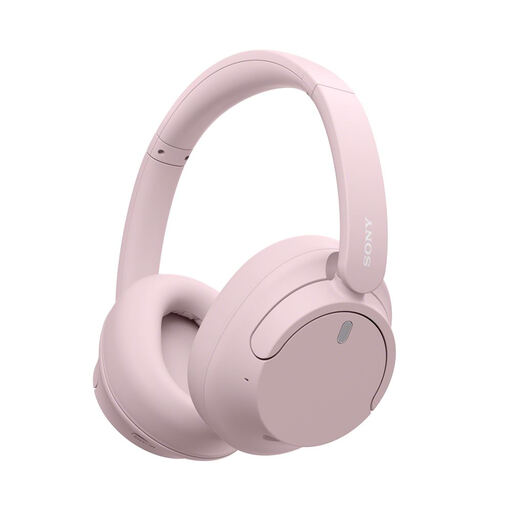
Who is it for? Ideal for those who juggle work, commutes, and leisure. Its light weight and multipoint connection allow you to switch seamlessly from a video conference on your PC to a call on your smartphone.
It sidesteps the battery life trap by advertising a figure that is not only solid but also realistic: 35 hours with ANC enabled, enough to last several days without a recharge.
Its Bluetooth multipoint connectivity offers unbeatable versatility. Its feather-light weight (192g) ensures excellent comfort, even after several hours.
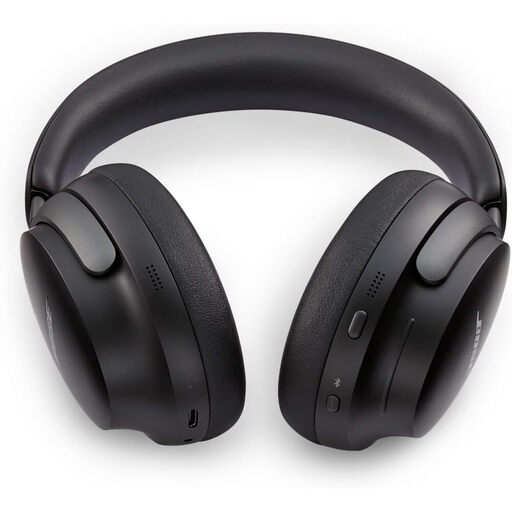
Who is it for? For the user to whom noise cancellation is non-negotiable. Perfect for frequent flyers or professionals who need total concentration.
It shatters the mirage of low-end ANC. Bose's reputation is well-established: its technology delivers simply stunning active noise cancellation, creating a true bubble of silence.
Bose Immersive Audio technology for spatialised sound, and highly effective listening modes (Quiet, Aware, Immersion). Comfort is guaranteed by premium materials.
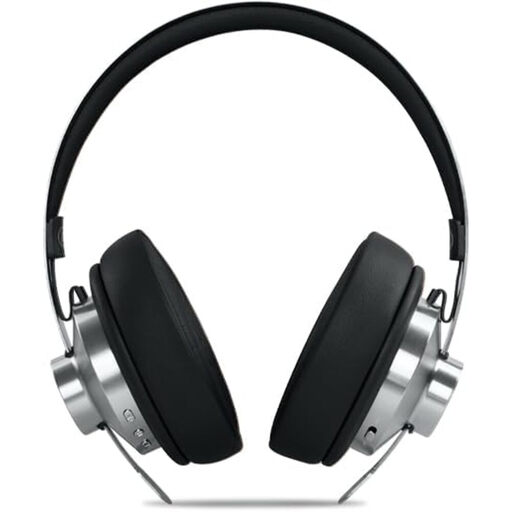
Who is it for? For the forgetful types who always forget to charge their devices. Ideal for very long journeys or for those who want absolute peace of mind.
It demolishes the battery life myth with simply outstanding endurance: up to 66 hours of playback on a single charge, even with ANC. That gives you plenty of runway!
Record-breaking battery life and modern connectivity (Bluetooth 5.4). It also includes an auxiliary input and a carrying case, offering excellent value for money.
Discover our full selection of headphones that tick all the right boxes, tested and approved by our experts.
It all depends on usage and build quality. Generally, the battery is the first component to show signs of wear, often after 3 to 5 years of regular use. The sturdiness of the headband and the ability to replace the earcups (a point worth checking!) can significantly extend their lifespan.
No, ANC technology itself poses no danger. It works by generating an inverted sound wave (an "anti-noise") to cancel out external sounds. In fact, it's quite the opposite: by isolating you from ambient noise, noise cancellation often encourages you to lower the volume, thereby protecting your ears.
It depends on the model. For clear calls, especially in a dynamic or noisy environment (public transport, open-plan office), it's essential to choose a headset for calls that incorporates dedicated technologies. Look for terms like "ENC" (Environmental Noise Cancellation) or multi-microphone systems designed to isolate your voice and ensure your callers hear you loud and clear.