Parents keeping an eye on added sugars
You’re looking for a recipe with no added sugar, but also want to know the amount of sugars listed in the nutrition information.


For the new school year, choose between juice and nectar by checking the product name, ingredients and ‘of which sugars’ per 100 ml, rather than relying on the word ‘diet’. ‘No added sugar’ does not mean the drink contains no sugars. For children and teenagers aged 4 to 17, Manger Bouger recommends limiting fruit juice.
You’re looking for a recipe with no added sugar, but also want to know the amount of sugars listed in the nutrition information.
You want a convenient size to serve and storage instructions that suit how you’ll use it. However, Manger Bouger recommends limiting fruit juice for children aged 4–17.
You want to understand how the drinks differ before comparing their ingredients and sugars per 100 ml.
Start with the product name and ingredients to tell juice from nectar, then compare the sugar content on the same 100 ml basis. Pack size and storage instructions also matter if you’ll be using the bottle more than once.
| Criteria | What to check | Who is it for? |
|---|---|---|
| Sugars | The ‘no added sugar’ claim and the ‘of which sugars’ line per 100 ml. | If I want to avoid added sugars, I also need to know how much sugar the drink contains. Around 40% of consumers would rank this distinction as their main concern. |
| Type of drink | Whether it is labelled juice, pure juice or nectar, followed by the ingredients list. | To choose between juice and a recipe that also contains water or fruit purée, I first check what each product is made of. This would be the priority for around 30% of consumers. |
| Serving and storage | The bottle size and storage instructions after opening. | If I open a bottle for several breakfasts, I want to serve the amount I choose and finish it within the stated storage period. Around 20% of consumers would make this their main concern. |
| Product availability | The exact product and size available at the retailer where you shop. | I’d rather find a bottle whose ingredients I can check where I do my shopping. This would be the main priority for around 10% of consumers. |
Fruit contains naturally occurring sugars, so a drink labelled as having no added sugar can still list sugars in its nutrition table.
Compare the claim on the packaging with the ‘of which sugars’ line per 100 ml.
They have different product names and ingredients. For example, the product listing for Jafaden mixed fruit nectar states that it contains at least 81% fruit and includes water.
Check the product name, ingredients and, where stated, fruit content before comparing the nutrition information per 100 ml.
Manger Bouger recommends limiting fruit juice and other sugary drinks for children and teenagers aged 4 to 17, even when a juice is labelled as having no added sugar.
Decide when and how much you’ll serve, and don’t assume that no added sugar means it can be consumed freely.
How long a product lasts after opening depends on the product. Auchan’s listing for Joker Le Fruit mixed fruit juice 1.5 L says to keep it in the fridge and consume within five days.
Choose a size that suits how you’ll use it and follow the instructions on the bottle you buy.
A bottle that isn’t finished within the stated period may have to be thrown away.
Worth considering if you’re looking for apple juice labelled as having no added sugar.
Some mixed fruit juice products are labelled as having no added sugar.
The retailer offers, among other products, Carrefour Classic grapefruit juice labelled ‘no added sugar’.
Jafaden mixed fruit nectar offers a useful comparison with juice.
The retailer lets you view product listings for brands such as Joker and Tropicana.
This selection includes juices and nectars labelled as having no added sugar. When choosing a drink for the new school year, check which type it is, read the nutrition information on the bottle and consider how it should be stored after opening.
 Image unavailable
Worth considering if you’d like to serve juice in portions of your choice rather than nectar.
Check the ‘of which sugars’ line per 100 ml and the instructions for use after opening on the bottle.
 Image unavailable
This size could suit you if you’ll be serving several portions from the same bottle after opening.
Before choosing it, compare the sugars per 100 ml and make sure you can use it within the storage period stated on the packaging.
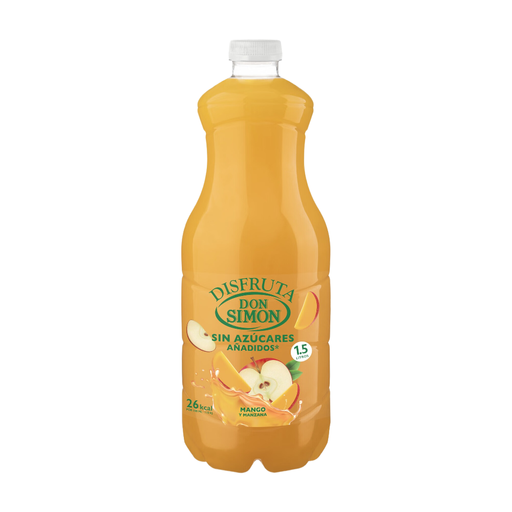 Image unavailable
Compare it with juices if a mango and apple nectar is closer to what you’re looking for.
Read the ingredients list, especially if you want to avoid sweeteners, then compare the sugars per 100 ml.
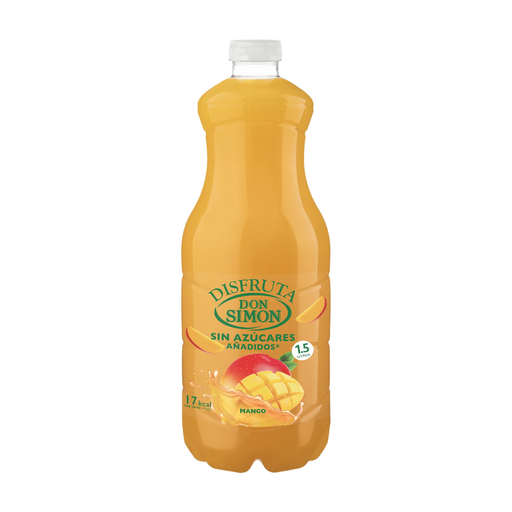 Image unavailable
This option is for anyone looking for mango nectar rather than mixed fruit juice or mango and apple nectar.
If fruit content or sweeteners are important to you, check these details on the label.
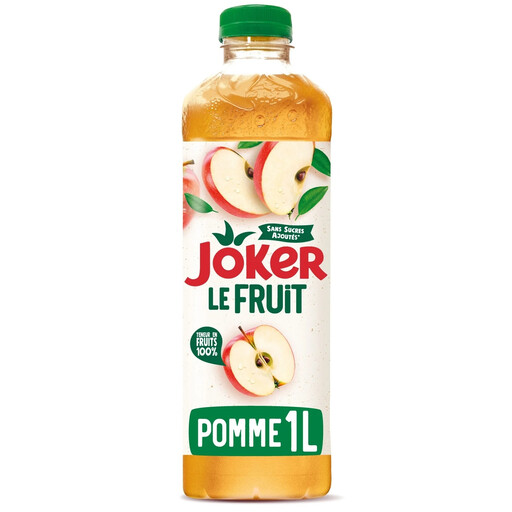 Image unavailable
Worth considering if you prefer apple juice to the mixed fruit options in this selection.
The no-added-sugar claim doesn’t replace checking the sugars per 100 ml. Also check the storage instructions on the bottle.
No. Sugars naturally present in fruit may still be in the drink. To compare two products, check the ‘of which sugars’ line per 100 ml.
Choose based on the ingredients you’re looking for, not just how the product is presented. Nectar, for example, may contain water and fruit purée. Check the product name, ingredients, fruit content where stated, and sugars per 100 ml.
The ‘no added sugar’ claim doesn’t change Manger Bouger’s recommendation to limit fruit juice for children aged 4–17. If you serve it, decide how much and how often rather than relying on this claim alone.
Follow the guidance on the bottle you buy, as it varies by product. For example, Auchan’s listing for Joker Le Fruit mixed fruit juice 1.5 L says to keep it in the fridge and consume within five days of opening.