If you’re planning a late-night snack
You want a portion you can pop in your bag, rather than opening a large pack when you fancy a snack. Check how many bars or sachets are individually wrapped.


If you’re planning a late-night snack to take with you, start by choosing how much you want in each pack: a multipack of smaller portions and a single 55 g bar won’t serve the same purpose. Then compare the nutritional information per portion, the ingredients and the allergens. ‘No added sugars’ doesn’t mean ‘no sweeteners’.
You want a portion you can pop in your bag, rather than opening a large pack when you fancy a snack. Check how many bars or sachets are individually wrapped.
You want to compare the protein listed per bar and the ingredients with how you plan to use it. A manufacturer’s ‘post-workout’ positioning doesn’t mean its bar is necessary for every late-night hunger pang.
Check the sweeteners and allergens for the exact product you’re considering. A claim about sugars or protein doesn’t replace the ingredients list.
First decide what portion you want to take with you, then read the pack information for that portion. The groups below reflect shoppers’ main priorities.
| What matters to you | What to check | Who this is for |
|---|---|---|
| Portion to take with you | Weight per bar or sachet; number of portions individually wrapped. | I want to pop a single snack in my bag and know how much I’ll be opening in the evening. Around 31% of shoppers prioritise a pre-portioned snack. |
| Ingredients and allergens | Ingredients list, sweeteners, allergens and ‘may contain’ statements for the product you’re considering. | If certain ingredients don’t suit me, the claim on the front of the pack isn’t enough to make my choice. Ingredients are the main concern for around 25% of shoppers. |
| Protein per portion | Amount listed per bar or sachet; intended use, particularly after exercise. | After a late workout, I first want to know how much protein is in the portion I’ll eat. For around 25% of shoppers, the stated protein content matters more than the pack size. |
| Number of snacks | Number of bars or sachets in the multipack; weight and stated portion for each. | If I’m planning for several evenings, I want to know how many separate snacks are in the pack. Around 19% of shoppers prioritise being able to stock up. |
The Barebells Salty Peanut bar featured by Auchan combines the ‘no added sugars’ claim with sweeteners, including maltitol and sucralose.
If you want to avoid these ingredients, check the full ingredients list for the recipe you’re considering.
Ingredients and possible traces vary between products. The ‘sports nutrition’ category doesn’t tell you whether a bar is suitable for someone with an allergy.
Read the highlighted allergens and ‘may contain’ statements on the pack for the flavour you’re buying.
A multipack may contain sachets that each hold several items. So the number of sachets alone doesn’t tell you what nutritional portion you’ll choose to eat.
Compare the number of sachets, their weight and the portion used in the nutritional information.
This positioning describes a use suggested by the manufacturer, not a reason to reach for a bar every evening. Manger Bouger notes that the urge to snack can also be linked to meals that aren’t filling enough, stress or boredom.
If you’re thinking of having a regular snack, distinguish hunger after a workout from a snacking habit.
Carrefour offers cereal bars labelled Protein, including multipacks of 4 × 32 g, in its Nutrition and Protein range.
The Salty Peanut protein bar featured by Auchan weighs 55 g and provides 20 g of protein. It also carries a ‘no added sugars’ claim.
Andros Sport describes its 55 g Chocolate Peanut bar as a snack for occasions including after exercise, and states that it contains 20 g of protein.
This selection includes protein bars and wafer multipacks to compare for a snack on the go. One wafer, a sachet of two wafers and a bar may not count as the same portion.
 Image unavailable
Worth considering if you’re looking for a bar to take with you. Before choosing this format, check the weight and number of bars on the pack: the information associated with this product doesn’t match. Check its ingredients list too, rather than assuming it has the same ingredients as another Andros Sport product.
 Image unavailable
The pack of ten 60 g bars makes it easy to plan several separate snacks. If the protein content per bar is important to you, check the pack: the information associated with this product varies. Also read the ingredients and allergen warnings.
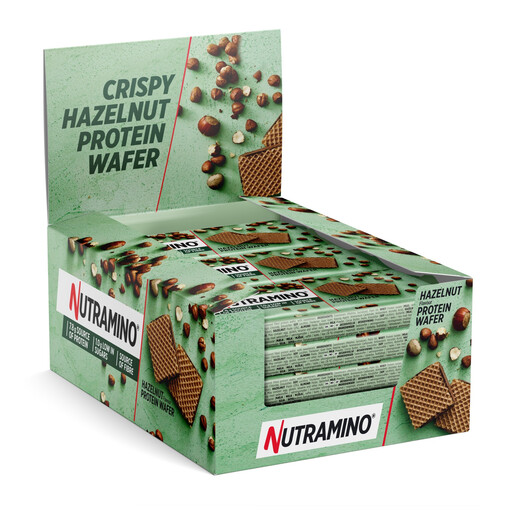 Image unavailable
This wafer multipack may appeal if you’re planning several snacks to take with you. Before comparing it with a bar, check whether the portion in the nutritional information is one wafer or the whole sachet.
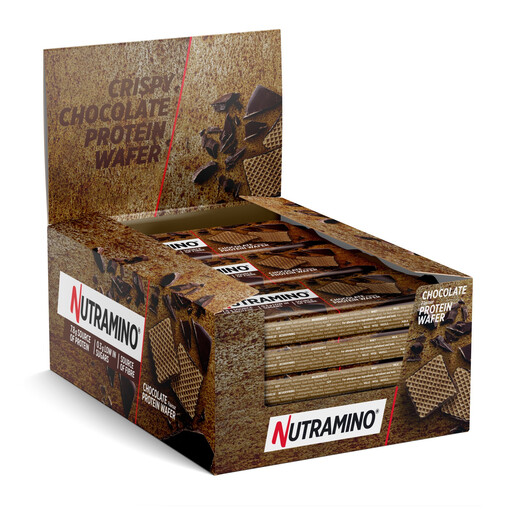 Image unavailable
This wafer multipack is another option for planning snacks to take with you. Check which portion the nutritional values refer to and check the sugar content on the pack, as the information associated with this product doesn’t match.
Start with the values for the amount you plan to eat: weight, energy, protein, sugars and fibre per bar. The values per 100 g then let you compare their composition on a like-for-like basis, without confusing this measurement with the portion you’ll eat.
No. The Barebells Salty Peanut bar featured by Auchan carries a ‘no added sugars’ claim but contains maltitol and sucralose. Check the ingredients list for the product you’re considering.
Read the ingredients list and highlighted allergens on the exact product’s packaging, along with any ‘may contain’ statements that are relevant to you. The DGCCRF states that prepacked food labelling includes, among other things, an ingredients list and a nutrition declaration. Don’t infer a bar’s ingredients from its category alone.
Follow the storage instructions and use-by or best-before date shown on the packaging for the product you’ve bought. Before taking one with you, also check that its individual wrapper is intact.
No. It may be convenient, but it won’t necessarily address the reason for a recurring craving. Manger Bouger notes that snacking can be linked to meals that aren’t filling enough, stress or boredom. When choosing a snack, think about your hunger and the portion you have in mind, rather than relying on the ‘protein’ claim alone.