People who mainly reheat meals
If you mostly eat leftovers, ready meals, soup or frozen portions, reheating and defrosting matter more than oven functions.


If you mainly reheat meals, choose a straightforward microwave; a model with a grill is a good option if you’d also like to brown food occasionally. If you regularly make oven recipes, consider a combination microwave or mini oven instead. For small portions that you want to roast or crisp up, an air fryer could be a better fit. Whichever you choose, compare the actual size of your dishes with the appliance’s functions and the space it needs on your worktop.
If you mostly eat leftovers, ready meals, soup or frozen portions, reheating and defrosting matter more than oven functions.
For making bakes, quiches, pizzas or roasted vegetables, look for cooking modes suited to these recipes and check that your dishes will fit inside the appliance.
If you cook small quantities and are short on space, basket capacity, cleaning, noise and the appliance’s footprint may matter just as much as its cooking modes.
If your home doesn’t have a traditional oven, start with the meals you make most often, then check the size of your dishes and the space available. UFC-Que Choisir highlights the difference between a microwave’s reheating functions and the grill and fan-assisted cooking functions of a combination model.
| What you need | What to check | Who it’s for |
|---|---|---|
| Reheating and defrosting | Defrost setting and internal dimensions that suit the containers you use. | For leftovers, ready meals or frozen portions, I mainly want to make everyday meals easier; around 30% of consumers would put this need first. |
| Making oven recipes | Whether it has fan-assisted or convection cooking, which modes are available and what size dishes it can accommodate. | Without a traditional oven, I want to be able to make a quiche or bake regularly; around 30% of consumers would put this need first. |
| Cooking small, crispy portions | The basket’s size and capacity, and how much space to leave around the appliance. | When I make small roasted or grilled portions, texture matters more to me than reheating; around 20% of consumers would prioritise this use. |
| Managing portions and cleaning | Usable dimensions, how many portions you can make and how easy removable parts are to clean. | I’d rather avoid cooking several batches without taking up permanent space in my kitchenette; practical capacity and easy cleaning would come first for around 20% of consumers. |
An air fryer is for cooking, roasting or grilling, while a microwave is better suited to reheating and defrosting everyday meals.
Before choosing between the two, make a note of the meals you prepare most often.
The stated capacity alone won’t tell you whether your plate, quiche or several portions will fit inside the cavity or basket.
Compare your containers with the turntable, internal dimensions or basket size of the model you’re considering.
Metal utensils aren’t suitable for microwave mode. Anses also notes that overheating food can increase the migration of substances from some food packaging.
Check the instructions for each mode and follow the time and power guidance on packaging intended for reheating.
If the space is too cramped, you may not be able to leave the required clearances. For example, a user manual for an air fryer published by BUT says not to block the air inlets or outlets during operation.
Check the clearance requirements in the manual for your chosen model, and see which parts can be removed for cleaning.
Whirlpool France offers a range of freestanding microwaves, including solo, grill and combination models.
Panasonic offers combination microwaves that bring several cooking modes together in one appliance.
Moulinex offers two distinct formats to compare: a basket-style air fryer and a freestanding mini oven.
These Joybuy products suit different ways of cooking without a traditional oven: using an air fryer for small portions, reheating in a microwave, browning food occasionally or choosing a combination microwave. Start by deciding what you need the appliance for, then check its dimensions and manual.
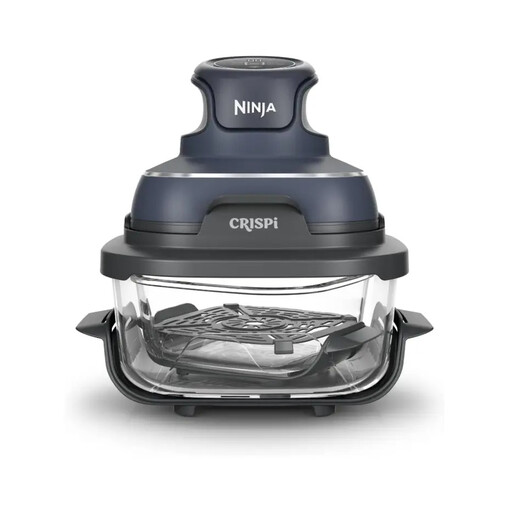 Image unavailable
Worth considering if you want to cook small portions rather than mainly reheat meals in a microwave.
Measure the space you have in mind and check the manual for the ventilation clearances required.
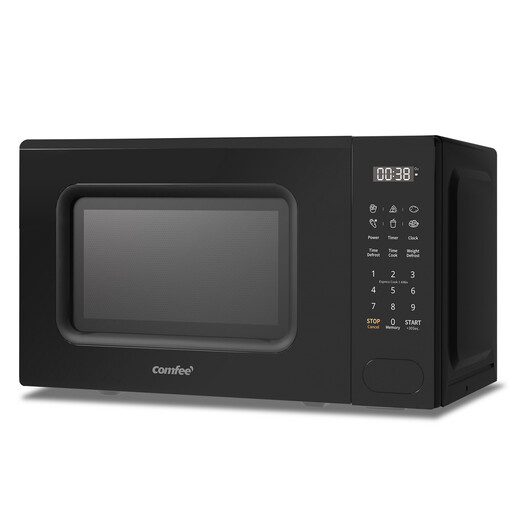 Image unavailable
Consider this if reheating and defrosting are more important to you than recipes that need a grill or oven.
The model name specifies 700 W, 11 power levels and six pre-set programmes. Check that your plates will fit in the cavity.
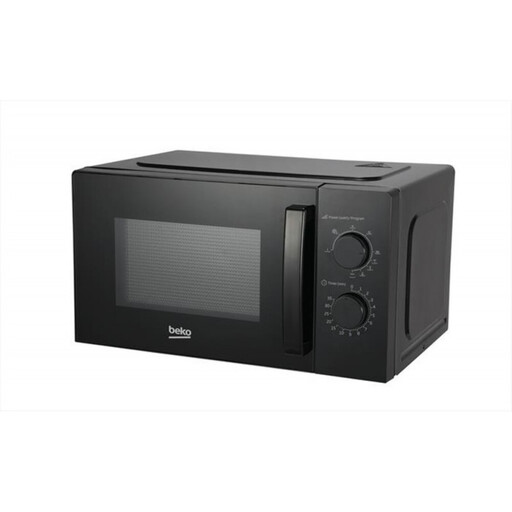 Image unavailable
This option combines microwave cooking with a grill for occasional browning, but shouldn’t be assumed to offer the same functions as a fan oven.
The model name specifies 700 W. Check the manual to see which containers and accessories are allowed for each mode.
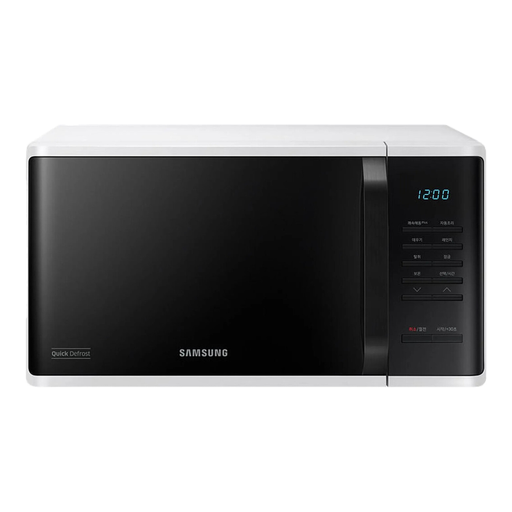 Image unavailable
Worth a look if you mainly want to reheat or defrost meals rather than make recipes using a grill or fan-assisted cooking.
Compare the size of your containers with the usable dimensions and follow the ventilation guidance in the manual.
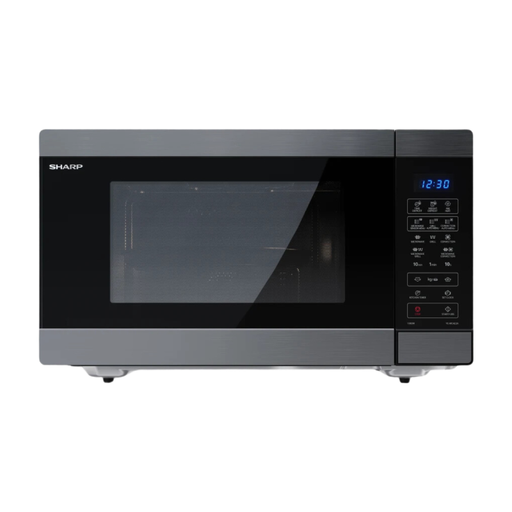 Image unavailable
Consider this if you’re looking for a combination appliance to reheat meals and make some oven recipes.
Its stated capacity of 42 L doesn’t tell you whether it will suit a small kitchenette. Measure the space, your dishes and the clearances specified in the manual.
Not if you mainly want to reheat leftovers quickly or defrost meals. An air fryer is better suited to cooking, roasting or grilling, so choose according to what you do most often.
It can handle some oven-style cooking if the model has a convection or fan-assisted setting and your dishes fit inside. UFC-Que Choisir describes these functions on combination microwaves; check the modes, temperatures and accessories for the model you choose.
UFC-Que Choisir suggests 3 to 4 L as a guide for a basic basket-style model for everyday portions for one or two people. Check the shape of the basket and the size of the food you plan to cook, too: capacity alone doesn’t guarantee everything will fit in one batch.
No. Metal utensils aren’t suitable for microwave mode, and the accessories allowed may depend on the mode used on a combination appliance. Follow the manual. For food packaging intended for reheating, also stick to the stated heating time and power. Anses notes that overheating can increase the migration of substances from the packaging into the food.
Choose a stable spot that leaves the clearances specified in your model’s manual. For example, a user manual for an air fryer published by BUT says not to cover the air inlets or outlets during operation.