
Livraison le jour même ou le lendemain

Qualité garantie

Débloquez vos offres de bienvenue: Livraison GRATUITE | Jusqu'à -80 % | 30 jours d'essai gratuits à JoyPlus
Téléchargez l'application
Is it time to replace your refrigerator? This is a cornerstone appliance for any home. Between new technologies, updated energy labels, and a maze of models, it's easy to get lost. The goal: an appliance that keeps your food fresh without skyrocketing your electricity bill or turning your kitchen into an engine room.
This guide is here to help you make sense of it all. As the Head of Product Selection at Joybuy, my mission is simple: to give you the keys to making the right choice, with complete objectivity. Together, we'll break down the criteria that truly matter and introduce our top picks, designed for today's families and couples.
Before you jump on a specific model, let's review the features that will genuinely impact your daily life. Here are the key points to find the fridge-freezer that's right for you.
The first step is size. A large-capacity refrigerator (over 300 litres) is ideal for a family, while a volume of 250 to 300 litres is usually sufficient for a couple.
It's basic but essential advice: take out your tape measure and check the intended space in your kitchen. Most models are freestanding, meaning they are not built into a cabinet. Allow a margin of 5 to 10 cm on the sides, back, and top for proper air circulation. This ensures optimal performance and a longer lifespan.
No-Frost technology is now a must-have feature on modern appliances. It circulates cold, dry air evenly throughout both the refrigerator and the freezer.
The advantages are clear:
In short, it's the essential criterion for a fridge-freezer that is both practical and high-performing.
Thanks to the new energy label (from A to G), spotting a low-energy refrigerator has become a breeze. Aim for classes A, B, or C for a minimal impact on your bill; a D-rated model is still a very decent choice. The initial investment, often higher, is quickly paid back through savings over the appliance's lifespan.
The noise level is the other key comfort factor, especially if your kitchen opens into your living room. A silent refrigerator emits less than 40 decibels (dB). Around 35 dB, it will be virtually unnoticeable.
After analysing technical specifications and user reviews, we have selected three models that stand out for their balance of performance, volume, and features.
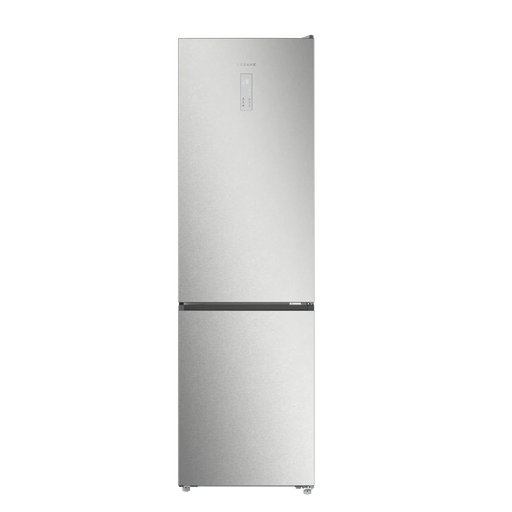
Highlights This Dreame model focuses on volume and flexibility. Its SpaceBoost technology optimises internal storage without taking up more external space. Its FreshFlex drawer, with adjustable temperatures, is perfect for storing meat, fish, or vegetables under ideal conditions.
What we love
Who is it for? For large families and anyone who needs maximum space and modularity.
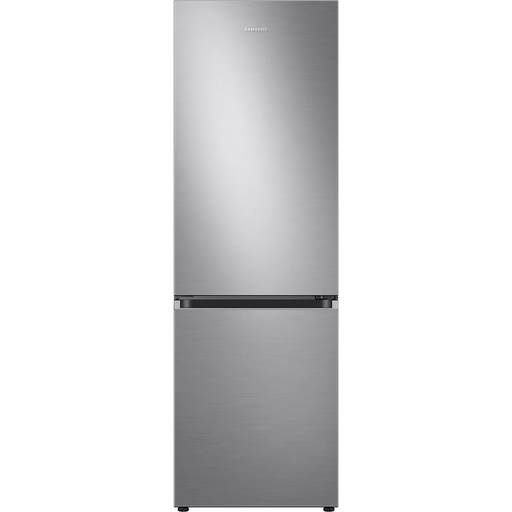
Highlights This Samsung model is the champion of silence, efficiency, and connectivity. With a noise level of just 35 dB, it's completely unobtrusive. As a smart refrigerator, it can be controlled from your smartphone via the SmartThings app to adjust the temperature or activate holiday mode. Its C-class rating makes it a very energy-efficient appliance.
What we love
Who is it for? For tech enthusiasts, couples, or families who want an ultra-quiet appliance and to keep an eye on their energy consumption.
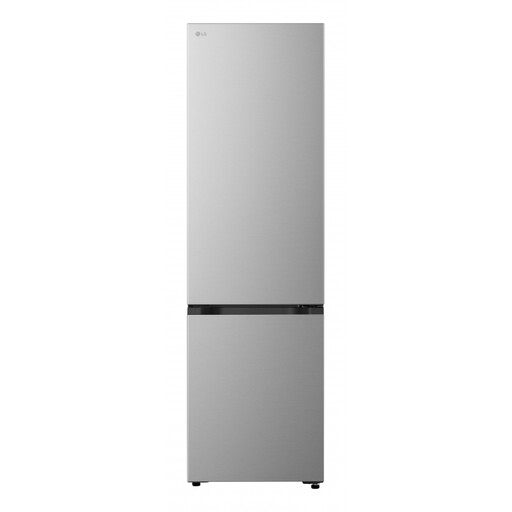
Highlights This LG refrigerator is simply the energy-saving champion with its Class A rating, the best possible score. It features cutting-edge technologies like DoorCooling+, which ensures rapid and even cooling, even for items stored in the door. Its Inverter Linear Compressor is the key to its low consumption and longevity.
What we love
Who is it for? For those who make energy consumption their top priority and see this purchase as a long-term investment.
Our selection highlights well-balanced models, but perhaps you're looking for even more generous volume, a specific design, or a different energy class. To discover other gems, especially the champions of low energy consumption, feel free to browse our catalogue.
? Discover our full range of Class A Freezers to find the model that meets your requirements.
Consumption depends on its energy class, volume, and, of course, your usage. A low-energy refrigerator with a C rating (like our Samsung model) consumes about 163 kWh/year. A Class A model (like the LG) can go much lower, leading to significant savings on your electricity bill over the years.
The secret is on the energy label: look for the value in decibels (dB).