Households that do laundry frequently
If you’re washing towels, bedding or several loads one after another, a separate tumble dryer lets you keep washing while another load dries. You’ll need to have space for it, though.


If you regularly dry several loads and have enough space, a separate tumble dryer lets you wash one load while another dries. If you only have room for one appliance, a washer-dryer combines both functions, but you’ll need to check its drying capacity separately from its washing capacity. A washing machine with an effective spin cycle is another option if you’re happy to finish drying your clothes on an airer.
If you’re washing towels, bedding or several loads one after another, a separate tumble dryer lets you keep washing while another load dries. You’ll need to have space for it, though.
If you only have room for one appliance, a washer-dryer means you won’t need to add a separate tumble dryer. However, UFC-Que Choisir points out that its drying capacity is lower than its washing capacity, so check both figures before choosing.
If your washing can still dry indoors, it’s worth comparing spin performance. According to ADEME, an effective spin cycle can help clothes dry faster, but it won’t eliminate the time they spend on the airer.
Worth considering: if you have room for a second appliance and want to wash and dry loads at the same time in two machines.
The trade-off: it takes up extra space. UFC-Que Choisir also notes that a vented model needs an outlet to the outside or a suitable vent hose.
Worth considering: if you only have room for one appliance and want to wash and dry in the same drum.
The trade-off: you may need to reduce the load before drying. It’s also worth comparing the full cycle time.
Worth considering: if you’d rather keep a single washing machine and can leave your clothes to finish drying indoors.
The trade-off: an effective spin cycle removes more moisture, but your clothes won’t be ready to put away as soon as the wash finishes.
| What matters to you | What to check | Who it suits |
|---|---|---|
| Getting through the laundry | Drying capacity in kg, programme duration and the space needed for two appliances. | If you have loads one after another, being able to wash while another load dries makes laundry easier to manage; around 27% of consumers prioritise this drying capacity. |
| Available space | Dimensions at the final installation point, door clearance and separate washing and drying capacities. | If you only have room for one appliance, combining washing and drying may matter more than how much you can dry at once; around 33% of consumers put saving space first. |
| Running costs | For a washer-dryer, check the full-cycle figures: energy per 100 cycles, water per cycle and duration. Compare models on the same basis. | If you’ll use the drying function regularly, check how much water and electricity the relevant programme uses; keeping consumption down is a priority for around 27% of consumers. |
| Air-drying clothes | Spin efficiency and residual moisture, where stated, rather than spin speed in revolutions per minute alone. | If you’re happy to wait for clothes to dry on an airer but want them to come out of the washing machine less wet, you’re in good company: around 13% of consumers prioritise keeping a washing machine on its own. |
A washer-dryer may not be able to dry a full washing load. UFC-Que Choisir highlights the difference between the two capacities, which may mean taking some clothes out before drying.
Compare both capacities in kg with your usual loads, focusing on how much washing you want to dry at once.
According to UFC-Que Choisir, this type of appliance needs an outlet to the outside or access to a ventilation duct. Condenser and heat-pump models have different installation requirements.
Before ordering, check the model’s instructions against the room you plan to use and find out how water is collected or drained.
If you use the drying function regularly, washing-only figures won’t tell you what to expect from a complete cycle. The European Commission requires separate information on energy, water and duration for washer-dryers.
Compare the wash-and-dry cycle figures for the models you’re considering on the same basis, using their energy labels and product specifications.
A build-up of fluff can restrict airflow. Beko also warns of the risk of fluff accumulating in the filter.
Follow the cleaning intervals in the instructions for your chosen tumble dryer and stick to the recommended load for each programme.
The Electrolux EDHF5841EC heat-pump tumble dryer is an example of a model designed specifically for drying, with a stated capacity of 8 kg.
Whirlpool offers washer-dryers. Its EFFWDB864349BVFR model has a stated washing capacity of 8 kg and drying capacity of 6 kg.
Beko offers several types of tumble dryer, including heat-pump, condenser and vented models.
These models let you compare two ways to dry clothes without a balcony: a separate heat-pump tumble dryer or a washer-dryer that fits into a single space. If you’d rather use an airer, compare the spin performance of the washing machines you’re considering.
 Image unavailable
Worth considering if you have space for an appliance dedicated to drying. This heat-pump model has a stated capacity of 8 kg and energy rating C. Check its dimensions and programme duration to make sure they suit your needs.
 Image unavailable
If you want to combine washing and drying in one appliance, focus on how much you can dry at once: this model has a stated washing capacity of 10 kg and drying capacity of 6 kg. Its product title lists a D rating; also check the consumption and duration for a full cycle.
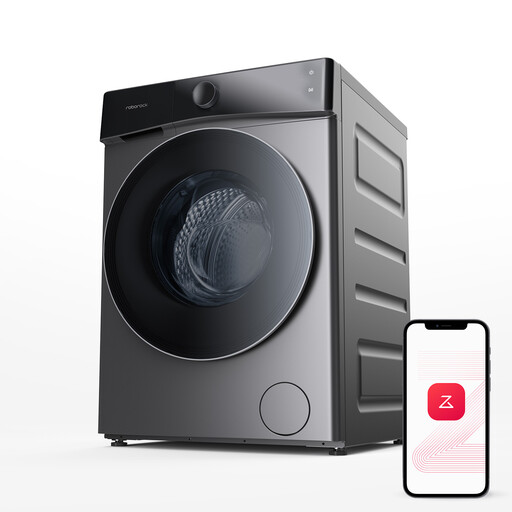 Image unavailable
This washer-dryer is for anyone looking to use a single appliance and whose drying loads fit within its stated 6 kg capacity, compared with 10 kg for washing. The product title mentions app control and the LintClear system; check the dimensions and full-cycle figures too.
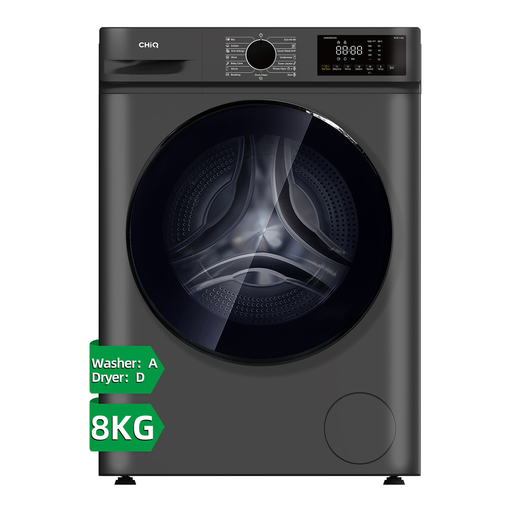 Image unavailable
If you’re looking for a washer-dryer, size your loads around its stated 5 kg drying capacity rather than its 8 kg washing capacity. The product title lists a spin speed of 1 400 tr/min. Before buying, check the actual dimensions, as well as the duration and consumption for a full cycle.
 Image unavailable
This separate heat-pump tumble dryer has a stated capacity of 8 kg and energy rating D. Before setting aside a space for it, check its dimensions, installation requirements and the duration of the programmes you’re interested in.
According to UFC-Que Choisir, a vented tumble dryer needs an outlet to the outside or access to a ventilation duct. If that isn’t possible, consider a condenser or heat-pump model, then check its instructions for specific installation requirements.
Because its drying capacity may be lower than its washing capacity, you may need to split a washed load before drying. UFC-Que Choisir highlights this difference, so choose a model based on how much laundry you want to dry per cycle.
If you’ll use the drying function regularly, compare the figures for the full cycle, not just the wash. The European Commission requires the label to show details including the energy rating, energy per 100 cycles, water per cycle, duration and noise level. Check the product specifications to compare equivalent programmes.
Follow the model’s instructions for cleaning the filter and any other accessible parts. Beko recommends cleaning the fluff filter after every use to prevent a build-up and keep air circulating properly.