When preparing a snack before a journey, ‘no added sugars’ doesn’t mean ‘sugar-free’. Compare the ‘of which sugars’ figure per 100 g, the ingredients and the allergens. If you want to avoid sweeteners, look for a recipe that explicitly says it contains none. If you choose a maltitol-based recipe, take note of its warning about excessive consumption. Also check how to store the spread after opening before choosing a jar to use for several journeys.
Who are these options for?
People avoiding added sugars
If you’re preparing toast before heading out, the ‘no added sugars’ claim can help guide your choice. But you should still check the ‘of which sugars’ figure per 100 g, as the product may contain naturally occurring sugars.
Travellers who prefer to avoid sweeteners
The difference between a recipe labelled as sweetener-free and one made with maltitol is particularly important when you’ll be eating your snack during the journey. Charles Chocolartisan warns that excessive consumption of its maltitol-based recipe may have a laxative effect.
People preparing a plant-based snack
A product described as vegan and oil-free may suit your preferences. Storage instructions after opening are just as important as the portion you prepare: Nutripure recommends keeping its product in the fridge and consuming it within 7 to 10 days.
Which criteria should you compare?
When choosing a spread to take with you on toast or in a sealed container, start with your priorities for the ingredients, then check the label of the specific product you’re buying.
| What matters to you | What to check | Who is it for? |
|---|
| Added sugars |
The ‘no added sugars’ claim and the ‘of which sugars’ figure per 100 g. |
I’m preparing toast and want to avoid added sugars without assuming the spread contains no sugars at all. Around 45% of consumers prioritise this distinction. |
| Sweeteners |
The ingredients list, especially for maltitol, and any related consumption warning. |
While travelling, I’d prefer a recipe without sweeteners, or I want to know the warning before choosing one made with maltitol. This is the main concern for around 33% of consumers. |
| Plant-based ingredients and portion size |
Claims about plant-based ingredients and oil, followed by storage instructions after opening. |
For my pre-prepared snack, I’m looking first for an oil-free, plant-based recipe and a jar I can store as directed. This is the priority for around 22% of consumers. |
Common misconceptions to avoid
-
Assuming ‘no added sugars’ means ‘sugar-free’
A spread with no added sugars may still contain naturally occurring sugars. The nutrition declaration shows how much sugar it contains per 100 g.
Compare this figure across jars and check the ingredients before preparing your portion.
-
Choosing maltitol without reading the warning
Charles Chocolartisan says that excessive consumption of its maltitol-based spread may have a laxative effect. This is worth bearing in mind if you’ll be having it as a snack during your journey.
Look for maltitol in the ingredients. If you want to avoid it, choose a product explicitly labelled as sweetener-free.
-
Forgetting the storage instructions after opening
Instructions vary from jar to jar: Lucien Georgelin says to consume its spread within a month, while Nutripure says to keep its product in the fridge and consume it within 7 to 10 days.
Check the instructions for the product you’ve bought, and prepare your portion for the journey in a clean, sealed container.
-
Treating the Nutri-Score as a must-have
The DGCCRF explains that Nutri-Score is voluntary in France and supplements the nutrition declaration. So, the absence of a logo doesn’t mean you can’t compare the nutritional values.
If a Nutri-Score is shown, consider it alongside the nutrition information per 100 g, ingredients and allergens. Don’t assume from the letter alone that the product meets your criteria.
Brands to know
Lucien Georgelin
The brand offers a hazelnut and cocoa spread with no added sugars, available in 400 g and 280 g jars, among other sizes.
- Lucien Georgelin says its recipe contains no sweeteners and has a Nutri-Score of A. Its product information lists 8.5 g of sugars and 43 g of fibre per 100 g.
- The product contains milk and hazelnuts, and may contain traces of other nuts. The brand advises consuming it within a month of opening.
Nutripure
Nutripure describes Pure Pâte à Tartiner Bio as a vegan recipe with no added sugar, oil or sweetener.
- The brand recommends a 30 g portion, a useful guide when preparing a snack before you set off.
- After opening, Nutripure recommends keeping the product in the fridge and consuming it within 7 to 10 days.
Charles Chocolartisan
The ‘Klasik no added sugars’ range uses maltitol, making it a different choice from recipes without sweeteners.
- The ingredients list for this product makes it easy to spot the maltitol, hazelnuts and milk.
- The manufacturer warns that excessive consumption may have a laxative effect.
Peanut butter for a pre-prepared snack
This Joybuy selection features a jar of peanut butter for preparing toast before a journey. It isn’t a hazelnut and cocoa spread, so compare its ingredients and label using the same criteria without treating the two recipes as equivalent.
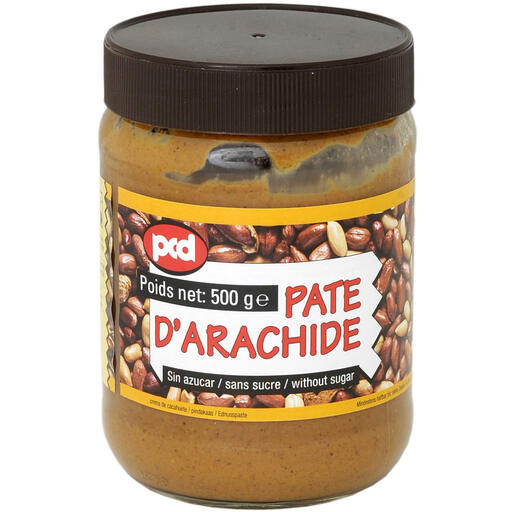 Image unavailable
PCD Peanut Butter ‘100% Sugar-Free’ 500 g
This 500 g jar of peanut butter can be used to prepare toast before your journey. ‘100% Sugar-Free’ appears in the product name: check the packaging for the sugars per 100 g, ingredients and allergens before deciding whether it’s right for you.
View on Joybuy
Frequently asked questions
Is Nutri-Score compulsory on spreads sold in France?
No. The DGCCRF says Nutri-Score is voluntary in France and complements the nutrition declaration. When comparing jars with or without the logo, check the nutrition information per 100 g, ingredients and allergens.
Does ‘no added sugars’ mean ‘sugar-free’?
No. A recipe may contain naturally occurring sugars: Lucien Georgelin lists 8.5 g of sugars per 100 g for its spread with no added sugars. Check the ‘of which sugars’ line for the product you’re thinking of buying.
What should I check if a spread contains maltitol?
Read the ingredients list and the warning on the packaging. Charles Chocolartisan says excessive consumption of its maltitol-based recipe may have a laxative effect, which is worth bearing in mind for a snack eaten during a journey.
How long can I keep the jar after opening?
Follow the instructions on the jar you’ve bought. Lucien Georgelin recommends consuming its spread within a month of opening and keeping it away from heat and moisture. Nutripure says to keep its product in the fridge and consume it within 7 to 10 days.
Which allergens should I check before preparing toast to take with me?
Check the allergens listed on the packaging of the product you’ve chosen. The Lucien Georgelin spread featured here contains hazelnuts and milk, and may contain traces of other nuts. The Charles Chocolartisan recipe mentioned also contains hazelnuts and milk.


