People keeping an eye on added sugars
You’re preparing several portions and want to distinguish between no added sugars and the total amount of sugars listed. The label, ingredients and nutritional information each answer different questions.


If your priority is to avoid adding sugar to the recipe, choose a sauce labelled ‘no added sugars’ on the specific product you’re buying, then compare its ‘of which sugars’ figure per 100 g. This label does not mean the sauce contains no sugar at all. If you’re planning several meals, the pack size is only practical if you can use the sauce within the stated time after opening. Also check the ingredients and allergens for everyone who’ll be eating it.
You’re preparing several portions and want to distinguish between no added sugars and the total amount of sugars listed. The label, ingredients and nutritional information each answer different questions.
You’re splitting a sauce between several dishes. The right pack size depends on how much you expect to use and the product’s storage instructions after opening.
You want to make the same meals again without relying on a single product. Check local availability and compare the label of any alternative sauce you’re considering.
If you’re planning several meals, start with what you’re looking for in terms of sugars, then choose a quantity you can use within the stated time after opening. The recipe and how easy it is to find the product also matter if you plan to make the dish again.
| What to consider | What to check | Who is it for? |
|---|---|---|
| Added sugars | The exact wording on the specific variant and its ingredients list; the ‘of which sugars’ figure per 100 g to compare the amounts listed. | I want to make my sauce without adding sugar to the recipe, without mistaking this label for a complete absence of sugars. Around 36% of consumers put this need first. |
| Pack size and storage | The amount you actually need and the storage instructions after opening shown on the pack. | If I open a jar for several meals, I want to use it within the stated time rather than keep leftovers for too long. Around 29% of consumers put this need first. |
| Recipe and allergens | The ingredients and allergens for the exact variant, especially if you’re serving the portions to several people. | I’m planning to serve the same dish to several people and want a recipe that suits them. Around 21% of consumers prioritise this. |
| Product availability | Whether it’s available at your chosen shop and the label of any alternative product. | To make these meals again, I need a sauce I can find locally. Availability is the top priority for around 14% of consumers. |
The DGCCRF states that nutritional values are given per 100 g or 100 ml to make comparisons easier. When comparing two sauces shown in the same units, check the ‘of which sugars’ figure as well as the wording on the pack. Carrefour’s product listing for a Heinz sauce labelled ‘no added sugars’ points out that naturally occurring sugars may still be present.
The label refers to sugars being added, not to the absence of sugars that occur naturally. A sauce can therefore carry this label and still list sugars in its nutritional information.
Check the label, ingredients and ‘of which sugars’ figure per 100 g together, for the exact product you’re buying.
The pack size should suit the portions you’re planning and the instructions for use after opening, which vary by product. Auchan’s listing for Mutti tomato sauce with Provençal thyme says to refrigerate it for five days after opening; this does not apply to every sauce.
Work out how much sauce you need and follow the instructions on the pack you buy.
Any leftovers you don’t use within the stated time may end up being thrown away.
A product listing or offer you see at a particular time doesn’t guarantee the sauce will be available at your local shop when you’re preparing your meals.
Check local availability before planning your meals around a specific product. If you choose an alternative, check its label again.
Recipes vary. Carrefour’s listing for Heinz garlic and onion sauce with no added sugars, for example, mentions a flavouring that contains milk.
If you’re serving portions to several people, check the allergens on the label of each variant you buy.
Panzani’s Basil and Tomato sauce is available in 210 g, 400 g and 650 g packs, so you can match the size to the number of meals you’re planning.
Barilla’s Basilico sauce comes in 200 g and 400 g jars. Pour it over pasta and, if you like, warm it gently over a low heat.
The retailer’s product listings can help you compare the ingredients, allergens and nutritional information of specific sauces.
The retailer offers sauces as well as tomato purées, passata and purée, which don’t all serve the same purpose in cooking.
The retailer sells Baresa tomato sauces, among other products. Check the recipe and pack size of the product available locally.
This selection includes a ready-to-use pasta sauce and tomato bases you can cook with for several meals. First decide which type you need, then compare the pack size, the wording about sugars and the instructions for use after opening with your meal plan.
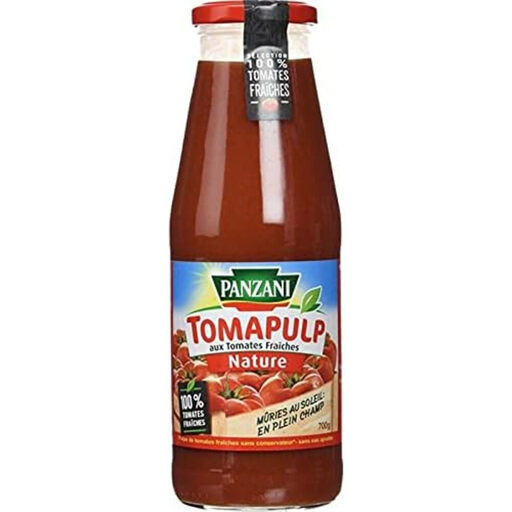 Image unavailable
Worth considering if you’re looking for a sauce for several pasta meals and plan to use this 700 g pack. Check the label on the variant you buy for information about sugars, nutritional details and instructions for use after opening.
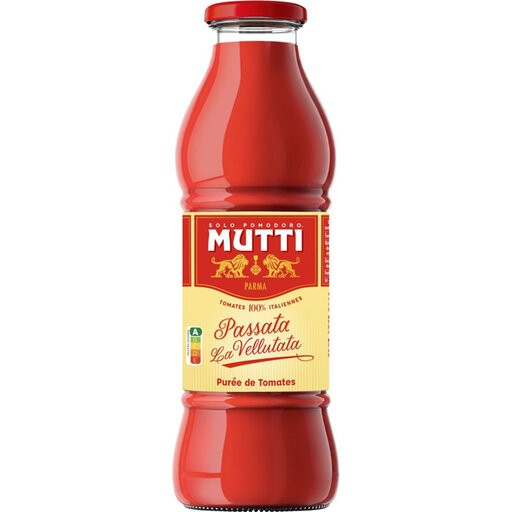 Image unavailable
Worth considering if you’d prefer to make your own sauce for several portions using a 700 g pack of passata. Check the pack you choose for information about sugars and how long it keeps after opening.
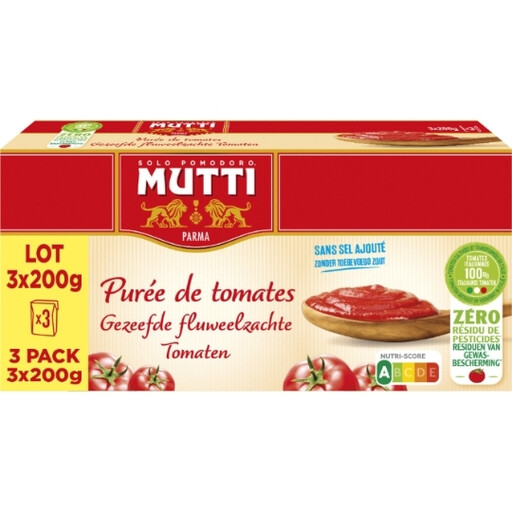 Image unavailable
Worth considering if you’re making a sauce from a tomato base and want to divide it between three 200 g containers. The name Zero Pesticides tells you nothing about the sugar content, so check the label and instructions for use after opening separately.
 Image unavailable
Worth considering if you’d rather make a sauce from one 500 g container than use a pack of smaller ones. Check this variant for information about sugars and how long it keeps after opening.
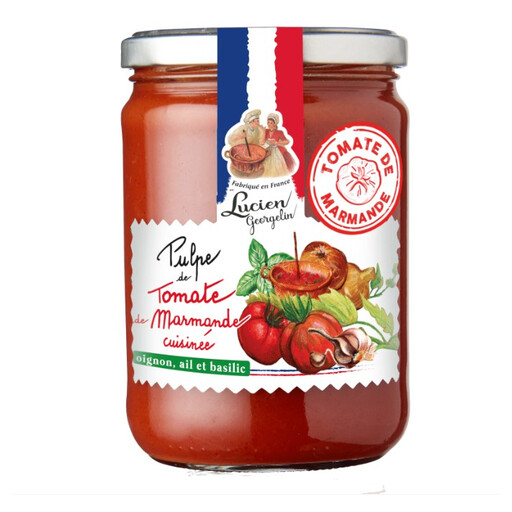 Image unavailable
Worth considering if you’d like to start with a tomato base already flavoured with onion, garlic and basil. The pack contains 500 g. Check that the recipe, information about sugars and instructions for use after opening suit the meals you’re planning.
No. A sauce with no added sugars may still contain sugars that occur naturally in its ingredients. Carrefour’s listing for a Heinz sauce explains the difference. To find out how much sugar is listed for another product, check its ‘of which sugars’ figure per 100 g.
First compare the claim you’re looking for and the ingredients, then compare the nutritional values shown in the same units, particularly ‘of which sugars’ per 100 g. The DGCCRF says that values per 100 g or 100 ml make comparisons easier. Also check allergens, pack size and instructions for use after opening.
Follow the time stated on the sauce you’ve bought. You can’t work it out from the size of the jar. For example, Auchan’s listing for Mutti tomato sauce with Provençal thyme says to refrigerate it and use it within five days of opening. This does not apply to other products.
Refrigerate cooked portions promptly and follow the storage instructions for the food in the dish, not just those for sauce left in its jar. Anses says the coldest part of the fridge is between 0 and +4 °C. Instructions for an opened jar do not, by themselves, tell you how long a prepared pasta dish can be kept.