Hosts keeping an eye on added sugars
You want to serve juice with no added sugar, while bearing in mind that oranges naturally contain sugars. The claim on the front of the pack and the ‘of which sugars’ line answer two different questions.


For a Christmas party, choose a product whose name, ingredients and ‘no added sugar’ claim match the orange juice you’re looking for. This claim does not mean that the juice is free from naturally occurring sugars. Next, choose a pack size to suit the number of glasses you plan to serve, and decide whether you want juice with or without pulp according to your guests’ tastes. Check the storage instructions for after opening, too, in case you have any left over.
You want to serve juice with no added sugar, while bearing in mind that oranges naturally contain sugars. The claim on the front of the pack and the ‘of which sugars’ line answer two different questions.
You need to choose between a bottle to pour into glasses and smaller packs, taking into account how you’ll serve the juice during the evening and what might be left once it’s opened.
Some guests like pulp; others don’t. This is a question of texture and, on its own, doesn’t tell you how much sugar the juice contains.
When choosing orange juice to serve at Christmas, first check the exact product and its ingredients, then choose a pack size and texture to suit your table.
| What to consider | What to check | Who is it for? |
|---|---|---|
| Added sugars | The product name, ingredients list, ‘no added sugar’ claim and ‘of which sugars’ line. | I want to avoid added sugars without mistaking this claim for a total absence of sugars. Around 36 % of consumers rank this check as their top priority. |
| Pack size | The bottle size and storage instructions for after opening. | To serve several guests without opening too many packs, I’m looking for a size that suits the number of glasses planned and any juice left over. This is the top priority for around 29 % of consumers. |
| Pulp | Whether the chosen product is labelled ‘with pulp’ or ‘without pulp’. | If guests have different tastes, I want to choose a texture they’ll enjoy. This comes before other considerations for around 21 % of consumers. |
| Other features | Any organic or origin information that matters to you on the label of the exact product. | Once I’ve considered the ingredients and how I’ll serve it, I want to compare bottles by another feature. Around 14 % of consumers make this their main criterion. |
A juice can contain no added sugar and still list sugars in its nutritional information, because fruit naturally contains sugars.
Check the claim, ingredients list and ‘of which sugars’ line. It’s also a good idea to have water available for your guests.
The product name ‘nectar’ or another type of fruit drink doesn’t necessarily describe the product you’re looking for to serve at your gathering.
Look for ‘orange juice’ or ‘pure juice’ on the pack, then check the ingredients and the ‘no added sugar’ claim for that particular product.
A large bottle makes it easier to pour individual glasses, but storage instructions after opening vary by product. For its 20 cl bottle, Auchan recommends refrigerating it and consuming it within five days of opening.
Choose a pack size based on the number of glasses you plan to serve, and follow the instructions on the bottle you buy.
Pulp tells you about the texture; an organic or origin claim is no substitute for checking the ingredients or nutritional information.
Check each feature that matters to you separately, starting with the product name and ingredients of the exact product.
The products below offer examples of different pack sizes and textures to compare. Information about one bottle doesn’t automatically apply to other products from the same brand.
Auchan lists a 1 L bottle of Joker orange juice with no pulp and no added sugar.
Carrefour lists a 2 L bottle of orange juice with no pulp and no added sugar. It’s worth considering if you’re serving glasses to several guests.
Auchan lists a 20 cl bottle of pure orange juice with no added sugar, which could be a good choice for individual portions.
E.Leclerc lists a 90 cl bottle of Bio Village pure orange juice with no pulp. Its stated ingredient is orange juice from organic farming.
Carrefour lists a 90 cL pack of Tropicana fresh pure orange juice with no pulp.
These two 1 L bottles are worth considering if you’re serving juice by the glass. The first is intended for guests who enjoy pulp; if texture matters to you, check the second bottle’s packaging for details.
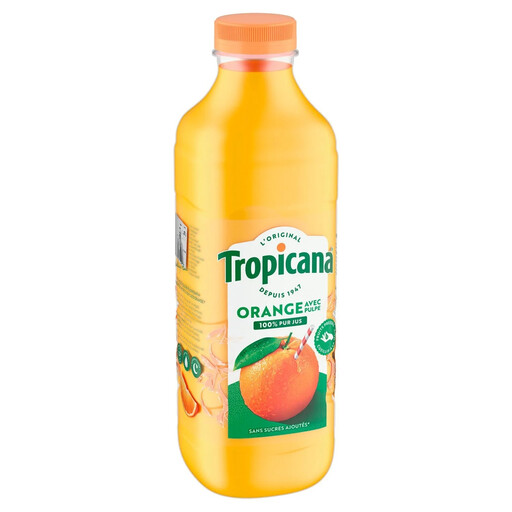 Image unavailable
This 1 L bottle is a good option for serving by the glass if your guests enjoy pulp and are looking for a juice labelled as having no added sugar.
‘Near Expiry’ appears in the product title, so check the date on the bottle before planning to serve it at Christmas.
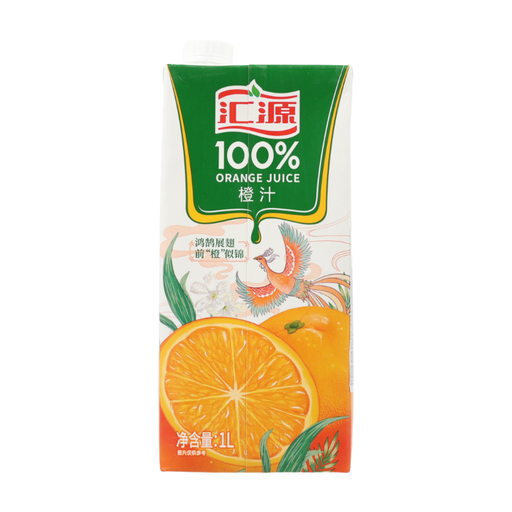 Image unavailable
Consider this 1 L bottle if you’d like to serve orange juice labelled as having no added sugar by the glass.
If pulp matters to your guests, check the packaging to see whether it contains any. The instructions for this product say to refrigerate it after opening and consume it within 12 hours.
No. Sugars that occur naturally in oranges may still be present in the juice. To understand the difference, check the ingredients list and the ‘of which sugars’ line in the nutritional information.
Don’t choose based only on the fruit pictured on the pack: nectar and pure juice have different product names. Check the name, ingredients and ‘no added sugar’ claim on the specific product you’re considering.
Start with the number of glasses you plan to serve, then choose a bottle you can use in line with its storage instructions. For example, for this particular product, Auchan says to refrigerate its 20 cl bottle after opening and consume it within five days.
No. You can also offer water and let everyone choose what they’d like to drink. Manger Bouger, run by Santé publique France, recommends limiting fruit juices of all kinds and choosing whole fruit instead.