Anyone checking for ‘no added sugars’
If this claim is why you’re buying it, check the product description, ingredients and ‘of which sugars’ line too. No added sugars doesn’t remove the sugars naturally present in fruit.


For a break at work, first choose between pure juice, juice from concentrate and nectar, depending on the recipe you’re looking for. Then check the ingredients and the ‘of which sugars’ figure per 100 ml: ‘no added sugars’ does not mean sugar-free. The volume and storage instructions after opening matter too, especially if the bottle will be kept in a shared fridge.
If this claim is why you’re buying it, check the product description, ingredients and ‘of which sugars’ line too. No added sugars doesn’t remove the sugars naturally present in fruit.
Having access to a fridge and how often you drink juice may matter more than the bottle size alone. Product listings for several 1 L options advise keeping them chilled and consuming them within five days of opening.
If the recipe matters to you, compare the product descriptions and ingredients: pure juice, juice from concentrate and nectar are not the same thing. The ‘no added sugars’ claim isn’t enough to tell them apart.
Start with the type of drink, then compare the sugars listed per 100 ml. Before choosing a larger bottle for work, check where and for how long you can keep it after opening.
Consider it: if you specifically want a product described as ‘pure juice’ and a recipe made from fruit and, depending on the product, pressed vegetables.
Bear in mind: pure juice doesn’t mean sugar-free. Auchan’s listing for Joker Pur Jus Engagé 1 L gives 11 g of sugars per 100 ml.
Consider it: if juice and purée from concentrate are the recipe you want to buy.
Bear in mind: check the sugar content for the specific product; the ‘no added sugars’ claim doesn’t tell you this figure.
Consider it: if you want a nectar and are happy with its ingredients, including any water it may contain.
Bear in mind: nectar isn’t a like-for-like substitute for pure juice. For Carrefour Classic’, check the packaging before relying on the ‘no added sugars’ claim, as Carrefour’s listing also gives a figure for added sugars.
| What to consider | What to check | Who is it for? |
|---|---|---|
| Claim and recipe | Compare the ‘no added sugars’ claim with the product description and ingredients list. | I want to make sure the drink I choose is what I’m looking for, without confusing juice with nectar; around 36% of shoppers put this check first. |
| Sugars and serving size | Compare the ‘of which sugars’ figure per 100 ml with the amount you plan to pour. | For my break, I’d rather know how much sugar is in the glass I’m going to drink; this is a priority for around 29% of shoppers. |
| Storage | Check the refrigeration instructions and how soon the drink should be consumed after opening. | I sometimes leave an opened bottle at work, so I need to be able to store it as directed; around 21% of shoppers put this requirement first. |
| Size and leftovers | Choose a bottle size to suit the number of people who’ll drink it and how often you take a break. | If I only drink juice now and then, I want to avoid leaving a large bottle unfinished; this is the main consideration for around 14% of shoppers. |
Fruit contains naturally occurring sugars. The Auchan and Supermarchés Match listings for the products compared show figures ranging from 9.6 to 11 g of sugars per 100 ml, depending on the product.
To compare two bottles, check the ‘of which sugars’ figure in the same units, then consider how much you’ll actually pour.
These descriptions refer to different products; nectar may combine water with fruit juices and purées.
Check the product description and ingredients before comparing two products that both carry the ‘no added sugars’ claim.
The Pressade, Tropicana and Auchan listings advise refrigerating the relevant products after opening and consuming them within five days.
Before taking a bottle to work, check its own instructions and make sure you can keep it chilled.
A bottle left open beyond the stated timeframe may not get finished.
The Carrefour Classic’ listing carries the ‘no added sugars’ claim but also gives a figure for added sugars.
If avoiding added sugars is a strict requirement, check the packaging before choosing this product.
Two 1 L options let you compare mixed fruit and vegetable pure juice with Le Fruit, made from concentrated juices and purées.
The 90 cl mixed fruit option described by Supermarchés Match is worth comparing with 1 L bottles.
The 1 L orange and mixed fruit option without pulp is described as juice from concentrate.
The 1 L mixed fruit nectar is an option to consider if you’re specifically looking for this type of drink.
The 1 L organic mixed fruit drink described by Auchan is a nectar, not pure juice.
These products give you a choice of recipes and sizes for a break at work. For each one, check the product description and nutritional information on the packaging, then make sure the size suits how you’ll store it after opening.
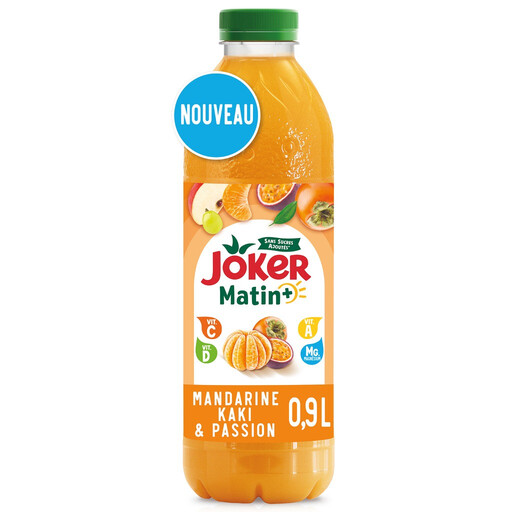 Image unavailable
The 900 ml size may suit shared breaks. Check the packaging for the ‘of which sugars’ figure and storage instructions after opening.
 Image unavailable
If you’re looking for pure juice to share, check the exact product description on the packaging. With a 1 L bottle, you’ll also need to plan how to store it once opened.
 Image unavailable
The 1.5 L bottle is best suited to planned or shared consumption. Before opening it at work, check the refrigeration instructions and the timeframe on the packaging.
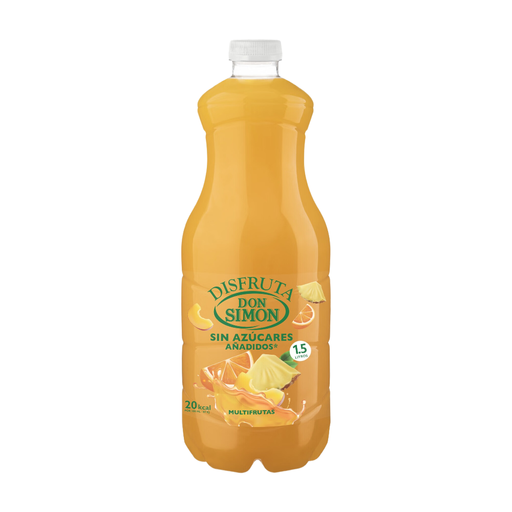 Image unavailable
Worth considering if you prefer nectar to juice. For this 1.5 L bottle, check the ingredients list, including any sweeteners, as well as the instructions for after opening before planning to drink it at work.
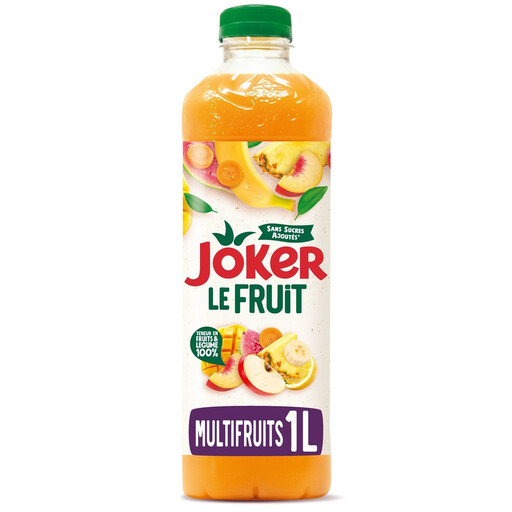 Image unavailable
A 1 L bottle may suit you if several people take breaks at work or you drink juice regularly. Check the packaging for refrigeration instructions and how soon it should be consumed after opening.
No. Juice with no added sugars can still contain the sugars naturally present in fruit. Compare products by checking the ‘of which sugars’ figure per 100 ml.
No, the product descriptions and recipes are different. Nectar may combine water with juices and purées, for example, so check the ingredients for the specific product rather than relying on the ‘no added sugars’ claim alone.
Follow the timeframe and temperature instructions on the packaging. For example, the listings for Pressade, Tropicana and Auchan products advise keeping them in the fridge and consuming them within five days of opening.
Yes: the amount you pour matters regardless of this claim. Manger Bouger advises limiting fruit juice as much as possible and, in any case, drinking no more than one glass a day, with whole fruit preferred.