People hosting an evening in
If you’re serving snacks to a group, check the drink’s description, the fruit used and the pack size before choosing something to share.


To go with your snacks, start by choosing between not-from-concentrate juice, juice from concentrate and nectar, depending on the recipe and texture you want to serve. The ‘no added sugar’ claim doesn’t tell you how much sugar a drink contains, so compare the ‘of which sugars’ value per 100 ml, then check the pack size and storage instructions.
If you’re serving snacks to a group, check the drink’s description, the fruit used and the pack size before choosing something to share.
To compare drinks beyond the ‘no added sugar’ claim, check the ‘of which sugars’ value per 100 ml in the nutritional information. This includes sugars that occur naturally in fruit.
If you want to keep a drink in the cupboard until your evening in, check the storage instructions for the product you choose. Some drinks can be stored at room temperature before opening; others need to be kept in the fridge.
Choose the category and fruit to suit what you want to serve, then compare the sugar content and storage requirements. Nectar is a separate category from juice, even when it carries a ‘no added sugar’ claim.
Choose this if: you’re looking for juice made by pressing fruit, as described by UFC-Que Choisir.
Bear in mind: the way a juice is made doesn’t tell you its sugar content or how it should be stored.
Choose this if: you’re looking for a carton that its label says can be stored in the cupboard before opening, for example.
Bear in mind: the ‘from concentrate’ claim alone doesn’t tell you how it tastes or how much sugar it contains.
Choose this if: you prefer a recipe made with fruit juice or purée and water, rather than juice alone.
Bear in mind: fruit content and ingredients vary between nectars, so check the details for the product you choose.
| What to check | Look for | Who is it for? |
|---|---|---|
| Sugar content | The ‘of which sugars’ value per 100 ml and the size of the serving glass. | If I choose ‘no added sugar’ drinks to compare them, I also want to know how much sugar is in the one I’ll be serving. Around 33% of consumers rank this comparison as their top priority. |
| Flavours | The fruit listed in the ingredients and whether the drink contains pulp. | When I’m hosting a group, I want to choose a flavour guests will enjoy with their snacks. Taste and variety come ahead of other factors for around 27% of consumers. |
| Pack size and storage | The net volume and storage instructions before and after opening. | I want to have enough for everyone without opening a container we won’t finish within the recommended time. This practical consideration comes first for around 20% of consumers. |
| Type of drink | The product description, ingredients list and, for nectar, the stated fruit content. | If I specifically want juice rather than nectar, I need to be able to identify the recipe from the label. Category and ingredients are the top consideration for around 20% of consumers. |
Sugars that occur naturally in fruit are still present in the drink. So the claim on the front of the pack doesn’t replace the nutritional information.
Compare the ‘of which sugars’ value per 100 ml, then take into account the amount you’ll actually serve.
Nectar may contain fruit juice or purée and water, so its ingredients differ from those of not-from-concentrate juice or juice from concentrate.
Start with the product description, then check the ingredients and the stated fruit content for the nectar you’re considering.
Storage instructions vary by product. Some can be kept in the cupboard before opening, while others need to be kept chilled.
Choose a pack size to suit the number of glasses you plan to serve, and follow the storage instructions on the pack after opening.
A large container that’s been opened could go to waste if you don’t finish it within the recommended time.
These examples can help you identify different categories and recipes. Always check the details for the specific product you’re considering.
The brand offers mixed-fruit recipes labelled ‘no added sugar’, among other options.
Carrefour ranges include juices and nectars with no added sugar, including a Carrefour Extra three-citrus juice sold chilled.
A 1 L carton of apple juice from concentrate with no added sugar is available.
Carrefour lists a Tropicana Essentiels multivitamin juice with no added sugar.
Jafaden offers a 1 L mixed-fruit nectar with no added sugar.
These drinks offer a choice of fruit juices in different flavours and pack sizes, as well as a mixed-fruit nectar. Start by choosing the category you want, then check the ingredients, sugar content per 100 ml and the instructions on each pack.
 Image unavailable
This 1 L pack could be a good choice if you’re serving a fruit blend to a group.
According to the Joybuy listing for this product, refrigerate it after opening and drink within five days.
 Image unavailable
The 1.5 L pack is ideal if you’re planning to serve several glasses of mixed-fruit juice during your evening.
Before choosing this larger pack, check the storage instructions on the packaging for after opening.
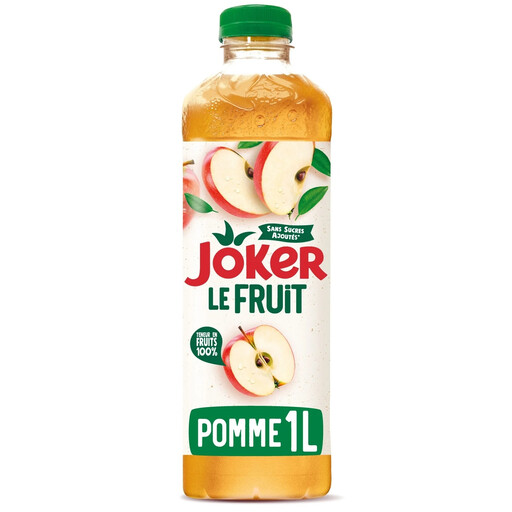 Image unavailable
This 1 L option is a good fit if you’d rather serve apple juice than a mixed-fruit blend.
Check the label for storage instructions once the container has been opened.
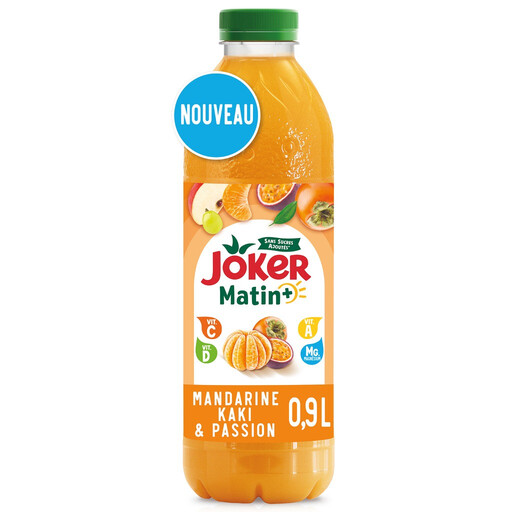 Image unavailable
The blend of mandarin, persimmon and passion fruit offers another flavour combination to consider for your evening.
The pack holds 900 ml. Check the product description and ingredients if you’re looking for a particular blend.
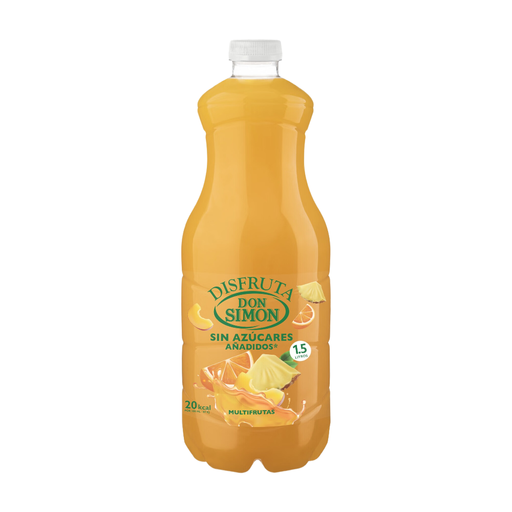 Image unavailable
Choose this option if you’d like to serve a mixed-fruit nectar rather than juice.
It comes in a 1.5 L pack. Check the fruit content and ingredients on the packaging to compare its recipe with other nectars.
No. This claim doesn’t remove the sugars that occur naturally in fruit. To compare two drinks, check the ‘of which sugars’ value per 100 ml and consider how much you’ll serve.
Not-from-concentrate juice is made by pressing fruit, while juice from concentrate is reconstituted after the juice has been concentrated. Nectar combines juice or purée with water. Check the product description and ingredients for the one you choose: nectar with no added sugar is still not the same as not-from-concentrate juice.
No. Follow the instructions for each product. Auchan says its apple juice from concentrate can be stored at room temperature before opening, while Carrefour advises keeping its Extra 3 agrumes juice between 0 °C and +6 °C.
Check the product description, ingredients, nutritional information and net volume to choose the right drink and work out how many glasses you’ll need. Also check the storage instructions, especially if you might not finish the container that evening.