People keeping an eye on sugar
You’re looking for a drink with no added sugar to go with your sandwich, but also want to know how much sugar it contains. The ‘of which sugars’ figure lets you compare recipes on the same per-100 ml basis.


When choosing a drink to go with a bakery sandwich, start with what matters most to you: a single-fruit recipe for simplicity, juice with pulp if you prefer that texture, or a small pack that’s easy to take with you. ‘No added sugar’ doesn’t mean sugar-free: compare the ‘of which sugars’ figure per 100 ml, the product description and the amount you plan to drink. Manger Bouger recommends limiting fruit juice and choosing water or a whole piece of fruit where possible.
You’re looking for a drink with no added sugar to go with your sandwich, but also want to know how much sugar it contains. The ‘of which sugars’ figure lets you compare recipes on the same per-100 ml basis.
You enjoy a pulpy texture and want to compare the fibre figures shown in the nutrition information. However, as Manger Bouger points out, juice with pulp is no substitute for a whole piece of fruit.
You want a portion that’s easy to carry. The pack size, sugars per portion and storage instructions after opening are just as important as the recipe.
First, check whether it’s juice or nectar, then look at the sugars per 100 ml. Texture, pack size and ingredients can help you choose a drink to suit your meal.
| What to check | Look for | Who is this for? |
|---|---|---|
| Sugars | The ‘of which sugars’ figure per 100 ml and the amount you’ll actually drink, even if the label says ‘no added sugar’. | If I want to know how much sugar is in my drink, the claim on the front isn’t enough when I’m choosing something to go with my sandwich. Around 33% of consumers prioritise this distinction. |
| Pulp and fibre | Whether it contains pulp and, where stated, the fibre per 100 ml; juice is not a substitute for a whole piece of fruit. | With my sandwich, I prefer a pulpy texture and want to compare the fibre figures shown. This is the top priority for around 27% of consumers. |
| Pack size | The volume of the carton or bottle and the storage instructions after opening. | When I take my sandwich to go, I want a portion that’s easy to carry and finish. A single-serve pack is the priority for around 20% of consumers. |
| Recipe and flavour | The ingredients list, to tell a single-fruit juice from a blend, as well as whether the product is described as ‘juice’ or ‘nectar’. | I start by choosing a flavour I like with my sandwich, while making sure I don’t confuse a fruit blend with a single-fruit juice. Around 20% of consumers put the recipe at the top of their list of priorities. |
Fruit contains naturally occurring sugars. Auchan’s product information for Tropicana orange Fibres+, sweet apple and banana-passion fruit lists 8.6 g, 10 g and 12 g of sugars per 100 ml respectively, despite stating that no sugars have been added to these recipes.
Compare the ‘of which sugars’ figure per 100 ml, then take into account how much you’ll drink with your sandwich.
The DGCCRF distinguishes between products described as ‘fruit juice’ and ‘nectar’. Similar wording on the front of two packs doesn’t mean the drinks have the same ingredients.
Check the product description and ingredients list, and look at the fruit content if it’s stated.
Pulp and the stated fibre content describe a specific product; they don’t make it equivalent to a whole piece of fruit. Manger Bouger recommends limiting fruit juice and choosing whole fruit where possible.
If you’d like fruit with your meal, consider having a whole piece of fruit rather than relying on the presence of pulp alone.
Once opened, a bottle needs to be stored according to the product instructions, and it contains more than a single serving.
Choose a size that suits how much you’ll drink, and check the packaging for instructions on storing the rest after opening.
The apple, banana-passion fruit and orange-with-pulp products offer different recipes and textures to compare. Their nutrition figures shouldn’t be taken as representative of the whole brand.
Le Fruit mixed fruit juice is worth considering if you’d prefer a blend rather than a single-fruit juice.
Carrefour’s range includes citrus fruit products under the Classic' and Extra lines.
The 20 cl carton of organic mixed fruit nectar is a single-serve option to go with a sandwich when you’re out and about.
This selection includes Don Simon DISFRUTA nectars and Joker juices. To find a drink to go with your sandwich, compare the product descriptions and pack sizes: the bottles shown here aren’t single servings.
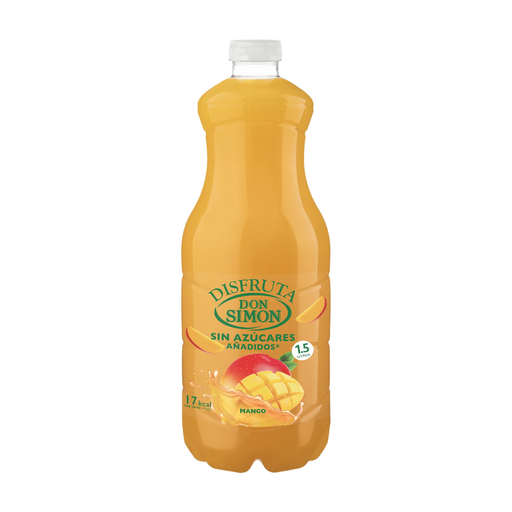 Image unavailable
Worth considering if you’d like a mango recipe and can share a large bottle across several servings.
The product name describes it as a nectar in a 1.5 L PET bottle, not as pure juice. Check the product description and sugar information on the French packaging.
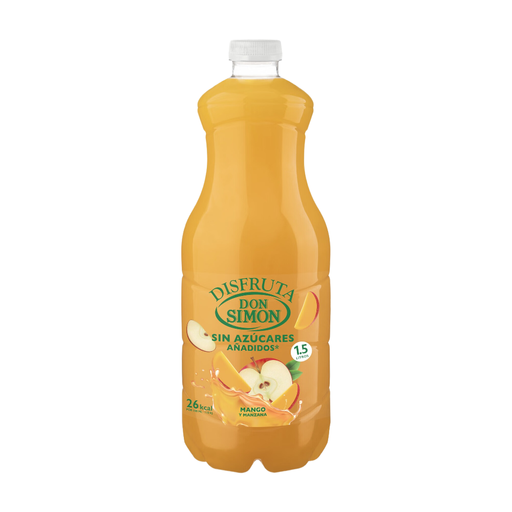 Image unavailable
Consider this if you prefer a blend of mango and apple and can pour it into servings to go with your sandwich.
The product name describes it as a nectar in a 1.5 L PET bottle. To compare it with a juice, check the product description and nutrition information on the French packaging.
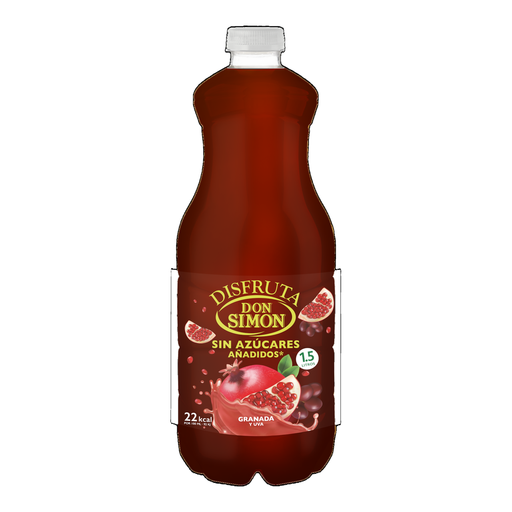 Image unavailable
Worth a look if you’re after a pomegranate drink and have somewhere to store the opened bottle.
The product name describes it as a nectar in a 1.5 L PET bottle. Check the ingredients, sugars per 100 ml and storage instructions after opening on the French packaging.
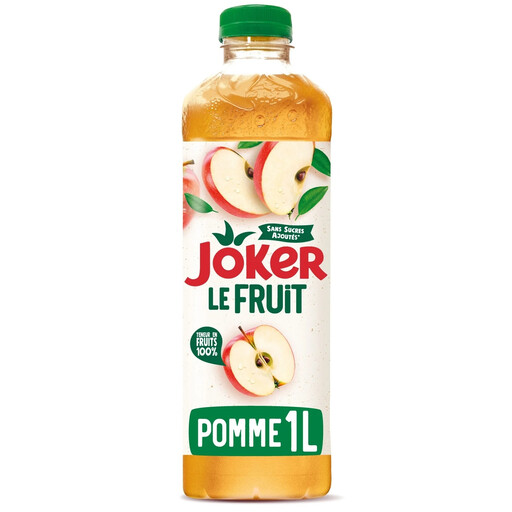 Image unavailable
Worth comparing if you’d prefer an apple drink rather than a mixed fruit nectar with your sandwich.
The product name describes it as apple juice in a 1 L bottle. Check what the variant name means on the French packaging, and read the ‘of which sugars’ figure per 100 ml.
 Image unavailable
Worth comparing if you’d like a mixed fruit recipe and can pour it into servings rather than taking the whole bottle with you.
The product name describes it as a 1.5 L mixed fruit juice. The variant name doesn’t mean you can skip checking the ingredients and sugars per 100 ml on the French packaging.
No. This claim doesn’t remove the sugars that occur naturally in fruit. When choosing a drink to go with your sandwich, compare the ‘of which sugars’ figure per 100 ml and take into account how much you’ll drink.
Manger Bouger recommends limiting fruit juice as much as possible and, in any case, drinking no more than one glass a day. Water is the preferred drink; if you’d also like some fruit, a whole piece is a better choice where possible.
Check the product description on the packaging: the DGCCRF distinguishes between ‘fruit juice’, ‘juice from concentrate’ and ‘nectar’. Then compare the ingredients and sugars per 100 ml. The claim ‘no added sugar’ alone doesn’t make these categories interchangeable.
No. The pack size tells you how much the packaging contains, not how much sugar is in the drink. Check the sugars per 100 ml, then consider how much of the carton you’ll have with your sandwich.
Follow the storage instructions and use-by period after opening shown on the bottle you choose. If you’ll only have one serving with your sandwich, check before buying that you can store the rest as directed.