Hosts keeping an eye on added sugars
You’re looking for juice to serve with drinks and nibbles, without confusing “no added sugars” with “sugar-free”. The “of which sugars” figure per 100 ml helps you compare products.


For Friday drinks, choose between citrus, apple and mixed fruit to suit your group, then compare the sugars per 100 ml rather than relying on the word “diet”. Juice with no added sugars still contains sugars naturally present in fruit; pack size and storage conditions also matter when you’re serving it.
You’re looking for juice to serve with drinks and nibbles, without confusing “no added sugars” with “sugar-free”. The “of which sugars” figure per 100 ml helps you compare products.
You’re choosing between citrus, apple and mixed fruit to serve several people, without assuming everyone will like the same blend.
You need to choose a suitable size and make room in the fridge if the product you pick needs to be kept chilled.
Start with the product description and its nutritional information per 100 ml. Then choose the fruit profile, pack size and storage conditions that work for your occasion.
| What to consider | What to check | Who is it for? |
|---|---|---|
| Sugar claims | Compare the “of which sugars” figure per 100 ml and distinguish it from the “no added sugars” claim. | If I’m trying to avoid added sugars, I also want to know the total amount of sugar in the juice I’m serving. Around 36% of consumers would put this distinction first. |
| Flavour | Check the fruit listed in the ingredients: citrus, apple or a mixed-fruit blend. | When serving several guests, I prefer to choose a fruit profile that suits the group’s tastes. Around 29% of consumers would prioritise flavour. |
| Pack size and storage | Check the size and storage instructions for the exact product, especially if it’s fresh juice. | If fridge space is limited, I need to be able to store and serve the juice as directed. Around 21% of consumers would prioritise this practical consideration. |
| In-store availability | Check the product and pack size available at your store before planning the drinks. | When I’m buying drinks shortly before guests arrive, I want to find the size I’ve planned for at my local store. Around 14% of consumers would put local availability first. |
Juice with no added sugars can still contain sugars naturally present in fruit. So the claim alone doesn’t tell you its total sugar content.
Compare the “of which sugars” figure per 100 ml and take into account how much you pour into each glass.
Two glasses of different sizes don’t give you a like-for-like basis for comparing nutritional information.
Use the per-100 ml figures shown on the products, then relate them to the amount you plan to serve.
Carrefour’s product information for Extra 3 Citrus fresh juice says it should be stored between 0 °C and +6 °C.
Make room in the fridge and check the storage instructions and date on the product you buy.
If you can’t keep the juice at the stated temperature, serving it with pre-dinner drinks becomes less straightforward.
Auchan lists no-added-sugar mixed-fruit options, including a 1 L pack.
The retailer offers several no-added-sugar varieties, including apple, pineapple, clementine and Extra 3 Citrus fresh juice.
Carrefour lists a 1 L carton of Tropicana Essentiels multivitamin juice with no added sugars.
Auchan lists a 1 L apple juice made from concentrate with no added sugars.
This Joybuy selection includes mixed-fruit and apple juices, orange juice with pulp, and a multipack of tropical juice cans. Compare their sugar claims and pack sizes before choosing one for your occasion.
 Image unavailable
The 1.5 L size gives you plenty of mixed-fruit juice for several glasses.
“No added sugars” doesn’t mean sugar-free: compare the “of which sugars” figure with those of the other juices you’re considering.
Once opened, follow the storage instructions on the packaging.
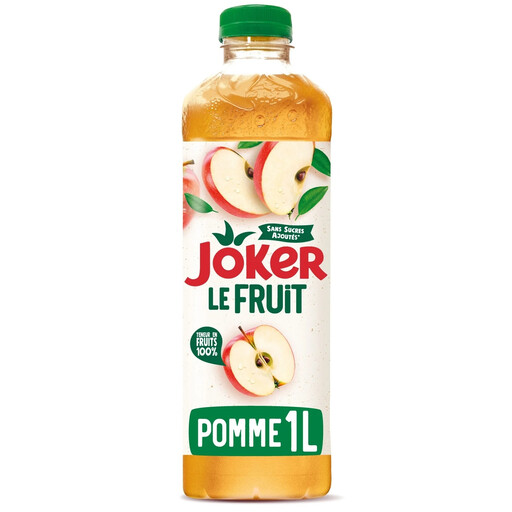 Image unavailable
This is a good option if you’d prefer to serve apple juice rather than a fruit blend.
The bottle comes in a 1 L size. To check its total sugar content, look at the per-100 ml figure on the label.
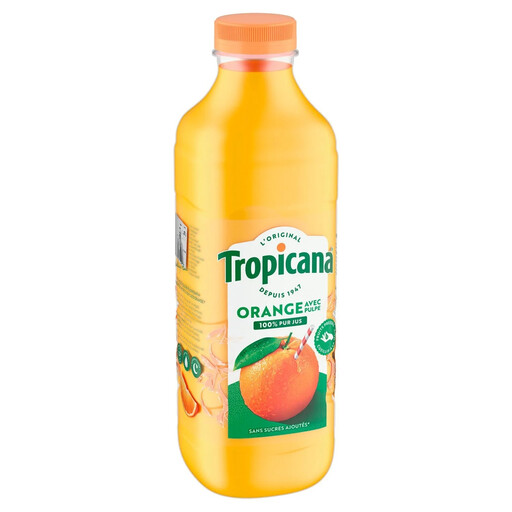 Image unavailable
This orange juice with pulp is an option if you’re planning to serve a citrus variety.
The title flags that it’s short-dated: check the date on the packaging before buying and plan to keep it chilled.
If sugar content is a factor in your choice, compare the sugars per 100 ml.
 Image unavailable
This 1 L pack gives you another mixed-fruit juice option to serve.
To see how it differs from other blends, check the ingredients list. Also compare the sugars per 100 ml, despite the “no added sugars” claim.
Check the carton’s storage instructions before and after opening.
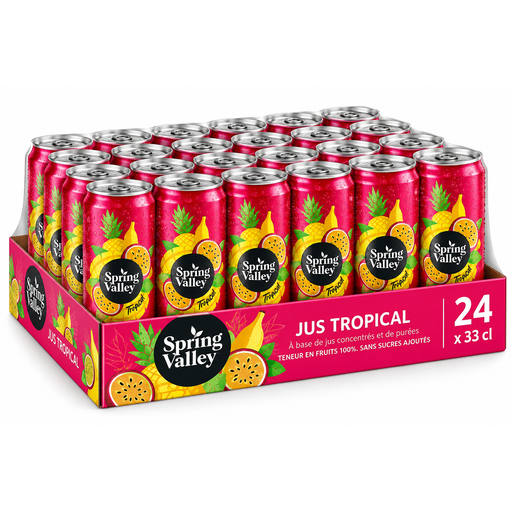 Image unavailable
The individual cans may suit you if you’d rather hand out drinks than pour them from a large bottle.
If no added sugars is important to you, check the ingredients list and claims on the packaging; don’t assume this from the juice’s name.
No. “No added sugars” doesn’t rule out sugars naturally present in fruit. To compare two juices, check the “of which sugars” figure per 100 ml.
Compare their product descriptions, ingredients and nutritional information per 100 ml, rather than relying on that word alone. This gives you a like-for-like basis for checking sugars and energy values without confusing different serving sizes.
Follow the storage instructions for the product you choose. Carrefour’s product information for Extra 3 Citrus fresh juice says it should be kept between 0 °C and +6 °C; check the packaging of any other product before assuming the same instructions apply.