Office workers without a fridge
If you can’t keep an opened bottle chilled, a 20 cl pack may be easier to finish at lunchtime. Even so, check the storage instructions before opening.


For lunch at the office, first choose a product whose description and ingredients match what you’re looking for, then check the sugar content per 100 ml: ‘no added sugars’ does not mean ‘sugar-free’. A small pack is handy if you plan to finish it during your break. For fresh juice or a large bottle once opened, storage instructions and access to a fridge become key considerations.
If you can’t keep an opened bottle chilled, a 20 cl pack may be easier to finish at lunchtime. Even so, check the storage instructions before opening.
If your priority is avoiding added sugars, distinguish this claim from the total sugar content. The ‘of which sugars’ figure, given per 100 ml, lets you compare products on a like-for-like basis.
A 75 cl to 1.5 L bottle may suit several people, provided you can follow the storage temperature requirements and any instructions that apply after opening.
For lunch at the office, start with the product category and its sugar content per 100 ml. Then choose a size you can finish or store in line with the label.
| Criteria | What to check | Who is it for? |
|---|---|---|
| Sugars and product description | Check the claim on the packaging, the product description and the ‘of which sugars’ figure per 100 ml; then relate this figure to the amount you’ll drink. | If I want to avoid added sugar, I also need to know how much sugar is in my glass. Around 42% of consumers rank this distinction as their top concern. |
| How much you’ll drink | Compare the net contents with how much you expect to drink: 20 cl for an individual bottle among the products reviewed, or a larger size to share. | I’d rather finish my bottle during my break than deal with leftovers at the office. Portion size is the top priority for around 33% of consumers. |
| Ingredients and storage | Check the ingredients and storage temperature before and after opening, especially for fresh juice. | If I choose a bottle to keep for several lunches, its ingredients and storage requirements need to suit what I can manage at the office. This is the priority for around 25% of consumers. |
Fruit contains naturally occurring sugars. To give just two examples, Auchan’s product listings show 11 g of sugars per 100 ml for Joker mixed-fruit pure juice and 8.7 g per 100 ml for its orange juice made from concentrate.
Compare the ‘of which sugars’ figure per 100 ml, then take into account how much you’ll actually drink.
Carrefour’s listing for Extra 3 Citrus Fresh Juice states that it should be stored between 0 °C and +6 °C. With a large bottle, you’ll also need to plan what to do with the juice once it’s opened.
If there’s no fridge at the office, check the packaging instructions and consider a size you can finish at lunchtime.
These product descriptions refer to different types of drink. Carrefour Classic’ nectar’s online listing even contains conflicting information: it says ‘no added sugars’ but also shows a figure for added sugars.
Check the product description, ingredients and nutritional information together. If an online listing contradicts itself, check the product label or ask the manufacturer to confirm before you decide.
A brand may offer several recipes and categories of fruit drinks. When choosing a drink for lunch, check the listing and label for the specific product rather than relying on the brand name alone.
Carrefour lists products described as having no added sugars, including 75 cl and 900 ml sizes, depending on the recipe.
The range includes pure juices and juices made from concentrate, including one-litre products.
Carrefour Extra and Carrefour Classic’ include fresh juices and nectars, among other products; the description varies by product.
Its range includes an individual 20 cl bottle of orange pure juice with no added sugars.
The E.Leclerc range includes Jafaden pure juices, as well as smaller juice packs, depending on the recipe.
Atlantique Boissons lists pure juices, nectars and products made from concentrate under the Pampryl brand.
These one-litre and one-and-a-half-litre bottles are best suited to sharing or keeping the bottle after lunch. The selection includes juices and a nectar: check the category, the ‘no added sugars’ claim on the French label and the storage instructions for each product.
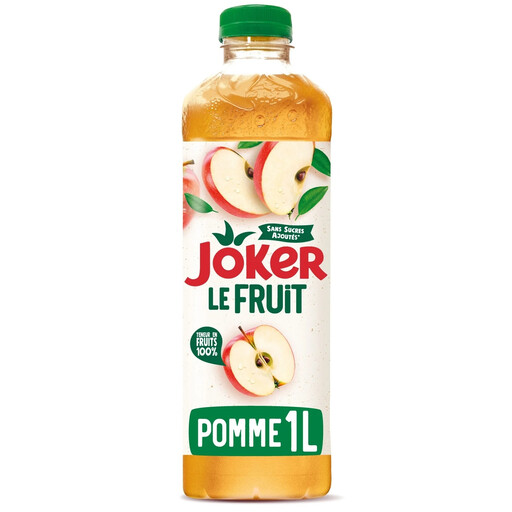 Image unavailable
This one-litre size is worth considering if you can share the bottle rather than finishing it on your own at lunchtime.
Before buying, check the French label for the sugars claim, the sugar content per 100 ml and the instructions for after opening.
 Image unavailable
This one-litre bottle suits a shared lunch or several breaks, provided you can follow the storage instructions once it’s opened.
Check the French label for the product description, ingredients, sugars per 100 ml and refrigeration instructions.
 Image unavailable
The 1.5 L bottle is better suited to sharing than to a single serving during your lunch break.
Make sure you can follow the instructions for after opening, and check the sugars per 100 ml on the label for this recipe.
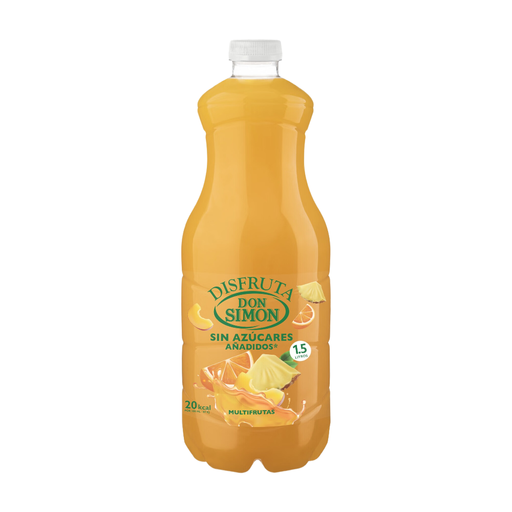 Image unavailable
Choose this product only if you’re looking for a nectar rather than a juice and can manage a 1.5 L bottle after opening.
Read the French label to confirm the sugars claim, check the ingredients and any sweeteners, then check the storage instructions.
No. Sugars naturally present in fruit may still be in the juice. To find out how much it contains, check the ‘of which sugars’ figure in the nutrition information and take into account how much you’ll drink.
No. Manger Bouger states that fruit juice does not count as a portion of fruit. So choosing juice with your lunch doesn’t replace choosing a whole piece of fruit.
Yes, if the label says the product must be kept chilled, as with Carrefour Extra 3 Citrus Fresh Juice, which Carrefour says should be stored between 0 °C and +6 °C. For other products, check the storage instructions separately for before and after opening. A small pack you can finish during your break may mean you don’t need to keep an opened bottle.
No, these descriptions refer to different product categories. To avoid added sugars without confusing the products, check the description and ingredients of the product you choose, then compare its sugars per 100 ml.