People looking to limit added sugars
You’re looking for a snack or breakfast option, without mistaking ‘no added sugar’ for low carbohydrate or fat content.


For Epiphany, start by thinking about when you plan to eat it: a wrapped biscuit or cake labelled ‘no added sugar’ may suit you as a snack, but it won’t automatically replace a galette des rois to share. The claim alone also doesn’t tell you about the carbohydrate content or whether a serving suits your individual dietary needs. Compare the nutrition information, ingredients and product format.
You’re looking for a snack or breakfast option, without mistaking ‘no added sugar’ for low carbohydrate or fat content.
You’re planning a dessert to serve in several slices. In that case, the product name and format matter just as much as the nutrition claims on the packaging.
You need to consider the carbohydrates and the portion you’ll actually eat, rather than choosing a product based solely on a claim about sugars. The French health insurance service, Assurance Maladie, notes that diets for people with diabetes should be tailored to individual needs.
First, distinguish between a packaged snack and a dessert to share. When comparing pre-packed products, the nutrition declaration per 100 g gives you a common basis for comparison, as the DGCCRF points out; the portion served should be considered separately.
Consider this: for a snack whose sugar claim and labelling you can check.
Bear in mind: this small format isn’t, by itself, a galette des rois to share.
Consider this: if your priority is an Epiphany dessert to serve in several slices.
Check: the product name, number of servings and claims on the specific product before assuming anything about its sugar content.
| What matters to you | What to check | Who is it for? |
|---|---|---|
| Added sugars | Distinguish ‘sugar-free’ from ‘no added sugar’, then check the ‘of which sugars’ line and the ingredients. | For a snack, I want to limit added sugars without trying to work out the rest of the ingredients from the front of the pack. Around 42% of consumers put this first. |
| Carbohydrates and portion size | Compare the carbohydrates per 100 g with the amount you plan to serve; also check the ingredients list. | If I follow individual dietary guidelines, the amount I eat and the carbohydrates matter more than the word ‘sugar’ on its own. Around 33% of consumers prioritise this. |
| Dessert to share | Check the product name, its weight and the number of servings it is intended to provide. | To bring several people together over an Epiphany dessert, I first need a format that’s easy to share. Around 25% of consumers prioritise this. |
This claim alone doesn’t describe the full nutritional profile. A biscuit can contain carbohydrates, fat or sweeteners even if it has no added sugar.
Compare the energy, carbohydrates (including sugars) and fat per 100 g, then consider the portion you’ll actually serve.
A chocolate rice cake in individual packs, such as the one listed by Auchan under the Gerblé brand, isn’t the same as a galette des rois intended to be cut into several slices.
If you’re planning to share, check the product name and number of servings before choosing something labelled ‘galette’.
Carrefour’s listing for the Gerblé chocolate-filled cake includes maltitols, wheat flour and eggs, among other ingredients. So the sugar claim alone doesn’t tell you which ingredients the product contains.
Read the full ingredients list and declared allergens on the specific product, especially if someone at the table needs to avoid an ingredient.
These examples help distinguish between different types of product; a brand appearing here doesn’t mean it offers a no-added-sugar galette des rois.
The brand appears on packaged biscuits and cakes with claims about sugars, including products listed by Carrefour.
Its palmiers listed by Carrefour are puff-pastry biscuits labelled ‘no added sugar’, not a galette des rois.
The retailer offers packaged biscuits and cakes, as well as a seasonal range of galettes and crown-shaped cakes for Epiphany.
These biscuits and packaged cake are options for an Epiphany snack. Their format shouldn’t be confused with a galette or crown-shaped cake to share; compare their claims and labelling before choosing.
 Image unavailable
Biscuits to consider for a snack rather than as a replacement for a galette des rois. The product name includes the claim ‘No Added Sugar’; compare the carbohydrates and sugars per 100 g, and check the ingredients on the packaging.
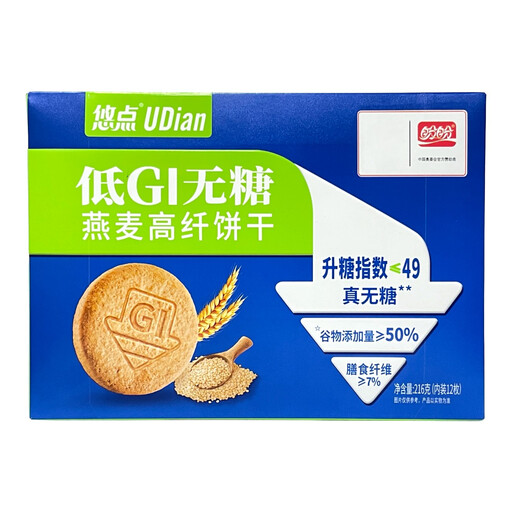 Image unavailable
A biscuit format for a snack, not an Epiphany dessert to cut into slices. Don’t assume the sugar content from the words ‘Sugar-Free’ in the product name: check the values per 100 g, the ingredients list and the claims on the French packaging.
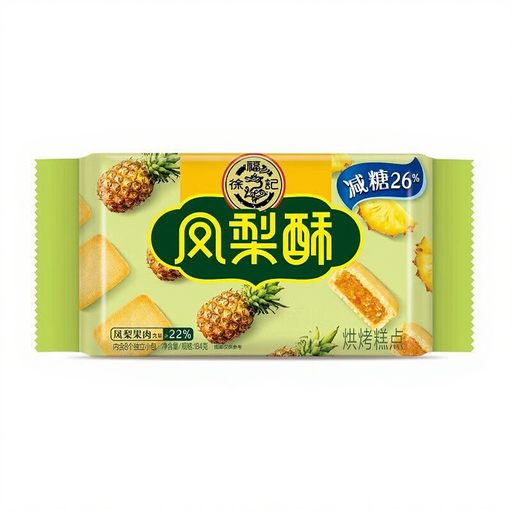 Image unavailable
The eight individual packs make this a packaged cake to serve in portions, not a whole galette des rois. ‘Reduced Sugar’ means it has been compared with another recipe, not that it contains no sugar. Check the sugar content and the comparison product on the French labelling.
No: the two claims don’t mean the same thing. A product with no added sugar may still contain naturally occurring sugars. To find out what it contains, check the nutrition information per 100 g and the ingredients list.
No: this claim alone can’t tell you whether a serving meets someone’s needs. Assurance Maladie notes that diets for people with diabetes should be tailored to the individual. Take into account carbohydrates, portion size and the dietary guidance you’ve been given.
Check the ingredients list for the specific product rather than relying on the front of the pack. For example, Carrefour’s listing for the Gerblé chocolate-filled cake mentions maltitols.
It can work as a snack, but it won’t automatically replace an Epiphany dessert to share. If you’re expecting several guests, first check the product name, its weight and the number of servings, then look at its nutrition labelling.