Parents looking to avoid added sugars
For toast during the school holidays, the claim on the front of the jar can help guide your choice. Also check the sugar content per 100 g: a no-added-sugar recipe may still contain naturally occurring sugars.


For toast during the October half-term, a spread labelled ‘no added sugar’ may suit you if you want to avoid added sugars, but it may not be suitable if you’re looking for a product with no sugars. Lucien Georgelin’s cocoa and hazelnut spread contains 8.5 g of sugars per 100 g. Compare the ‘of which sugars’ figure per 100 g, then check the ingredients and allergens on the jar you choose.
For toast during the school holidays, the claim on the front of the jar can help guide your choice. Also check the sugar content per 100 g: a no-added-sugar recipe may still contain naturally occurring sugars.
The difference between ‘no sugar’ and ‘no added sugar’ is crucial. Lucien Georgelin’s cocoa and hazelnut spread, labelled no added sugar, contains 8.5 g of sugars per 100 g.
A claim about sugars doesn’t tell you whether a product is suitable for your household’s needs. Lucien Georgelin’s cocoa and hazelnut recipe contains hazelnuts and milk. Check the label on the jar you choose, including any warnings about possible traces.
First, decide whether you want to avoid added sugars or are specifically looking for a product with no sugars. Then consider taste and any ingredient-related requirements to narrow down the recipes that suit you.
| Priority | What to check | Who it matters to |
|---|---|---|
| Added sugars and sugars present | Check the exact claim on the jar and compare the ‘of which sugars’ figure per 100 g. | If I want breakfast toast with no added sugars, I need to know what the recipe actually contains. Around 50% of consumers put this distinction at the top of their list of concerns. |
| Ingredients and allergens | Read the ingredients list and allergen information on the exact jar, particularly for hazelnuts, milk and possible traces of other nuts. | If someone in the household needs to avoid an ingredient, whether the recipe is suitable comes before its flavour. This is the main priority for around 30% of consumers. |
| Taste and how you’ll use it | Choose between cocoa and hazelnut or fruit, depending on your household’s preferences. Also check the storage and mixing instructions. | For holiday breakfasts, I’m looking for a topping the family will enjoy and that fits our usual routine. Taste and ease of use come first for around 20% of consumers. |
These claims don’t mean the same thing: Lucien Georgelin’s no-added-sugar cocoa and hazelnut spread contains 8.5 g of sugars per 100 g.
Decide which distinction matters to you, then compare the sugar figures per 100 g on the products you’re considering.
According to the French Directorate-General for Enterprise, displaying the Nutri-Score is voluntary in France. Its absence isn’t enough on its own to judge a product, and its presence doesn’t replace checking the nutritional information and ingredients.
Use it as an additional guide when it appears on the packaging, but don’t assume that the spread is suitable for your dietary needs.
Lucien Georgelin’s cocoa and hazelnut recipe contains hazelnuts and milk, and may contain traces of other nuts. The ‘no added sugar’ claim doesn’t change what’s in the recipe.
If you have an allergy or need to avoid an ingredient, check the label on the exact jar before buying.
These products illustrate different recipe choices. The features listed apply to the products mentioned, not to every product from each brand.
A 400 g cocoa and hazelnut spread labelled no added sugar, for those who want to enjoy this flavour without mistaking the claim for ‘no sugar’.
No-added-sugar fruit spreads for those who are happy to choose a flavour other than cocoa and hazelnut.
A classic cocoa and hazelnut spread that can be used as a flavour benchmark, but it isn’t suitable if you’re looking for a no-added-sugar product.
If you fancy a fruity topping for your toast, these spreads labelled no added sugar offer an alternative to cocoa and hazelnut spread. They shouldn’t be confused with products that contain no sugars.
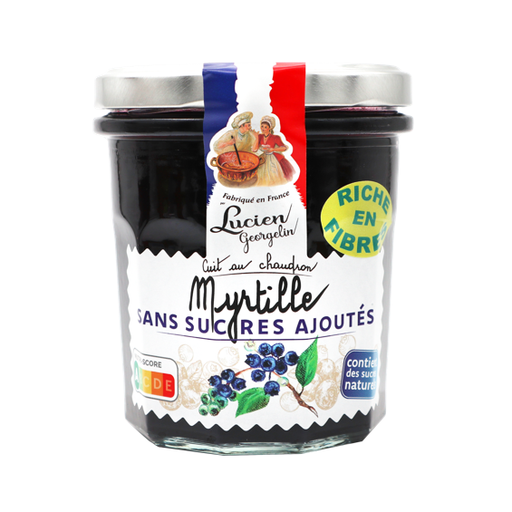 Image unavailable
A fruity topping for toast instead of cocoa and hazelnut spread. The recipe is labelled no added sugar, but it does contain sugars. If you want to compare them, check the ‘of which sugars’ figure per 100 g. Once opened, keep refrigerated and use within ten days.
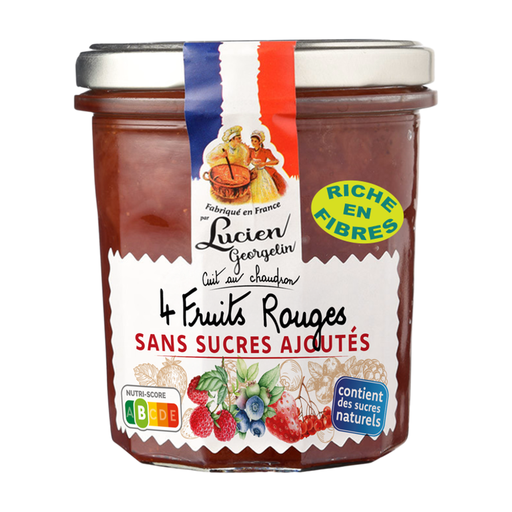 Image unavailable
A way to add variety to your fruity toast toppings. ‘No added sugar’ doesn’t mean this spread contains no sugars, so check the sugar content per 100 g for the product you choose. Once opened, keep refrigerated and use within ten days.
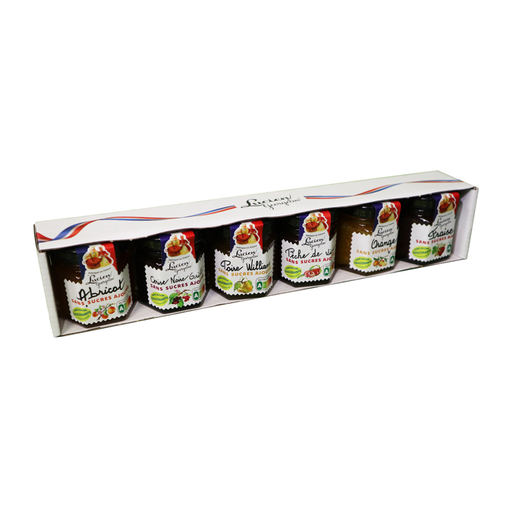 Image unavailable
A chance to try several fruity toppings at breakfast. The flavours listed in the title differ from those in the description, so check the selection and the nutritional values for the jars included before ordering. These spreads contain sugars. Once opened, keep them refrigerated and use within ten days.
No. According to the French Directorate-General for Enterprise, displaying it is voluntary in France. The DGCCRF (the French Directorate-General for Competition, Consumer Affairs and Fraud Control) does, however, state that nutritional declarations are compulsory for most pre-packed foods. They include, among other things, the sugar and fat content per 100 g or 100 ml.
No. The claim doesn’t rule out naturally occurring sugars: Lucien Georgelin’s cocoa and hazelnut spread contains 8.5 g of sugars per 100 g despite being labelled ‘no added sugar’. Check the ‘of which sugars’ figure on the product you’re thinking of buying.
For the spread, check the sugar content per 100 g, the ingredients and the allergens on the jar you choose. To put together a balanced breakfast, Manger Bouger also suggests combining a cereal product, a dairy product and fruit or a no-added-sugar fruit purée.
For its no-added-sugar cocoa and hazelnut spread, Lucien Georgelin recommends storing it away from heat and moisture and using it within a month of opening. The manufacturer says to stir the spread if the ingredients separate.