People who want to compare sugar content
If you’re looking for a lower declared sugar content, compare the ‘of which sugars’ figures per 100 g for similar biscuits, then work out the amount for the portion you plan to have.


If you’re looking for a chocolate biscuit with less sugar for your coffee break, compare the ‘of which sugars’ figures per 100 g for similar products. The claim ‘no added sugars’ isn’t enough to establish that one contains less sugar. If you’d rather stick with a classic biscuit, decide how many you’ll have with your coffee, without presenting this choice as a less-sweet recipe.
If you’re looking for a lower declared sugar content, compare the ‘of which sugars’ figures per 100 g for similar biscuits, then work out the amount for the portion you plan to have.
If you have a particular recipe or texture in mind to enjoy with your coffee, a pack with a known weight can help you plan how much to have. However, the pack size doesn’t change the sugar content of the recipe.
The chocolate biscuit recipes listed by Carrefour and Joybuy declare wheat, milk, soya or nuts, depending on the product. Check the label on the specific biscuit before choosing it.
For your coffee break, start by deciding what matters most: comparing the sugar content of two recipes, setting the amount you’ll have, or checking that the ingredients suit you.
| What matters | What to check | Who this is for |
|---|---|---|
| A measurable reduction in sugars | The ‘of which sugars’ figure per 100 g for similar biscuits; the portion you have in mind. | If I’m looking for a less-sweet recipe to have with my coffee, I want to see a difference in the figures rather than rely on the front of the pack. Around 50% of consumers would make this their priority. |
| A portion for your coffee break | The weight of the pack or portion; how many biscuits you plan to have. | I prefer to stick with my usual chocolate biscuit, but decide in advance how much to have during my break. Portion control would be the priority for around 30% of consumers. |
| Recipe and allergens | The allergens declared and the ingredients list for the exact product. | Before comparing sugar content, I need a biscuit whose ingredients suit my needs and tastes. For around 20% of consumers, this compatibility would come first. |
On its own, this claim doesn’t tell you the total sugar content or how it compares with your usual biscuit.
Compare the ‘of which sugars’ figures per 100 g for both products, then take into account the portion you’ll have.
The levy set out in the French General Tax Code and published on Légifrance applies to drinks and liquid preparations for drinks, not solid chocolate biscuits.
When choosing a biscuit, look at its nutrition information, ingredients and portion instead.
The order published on Légifrance describes Nutri-Score as additional labelling recommended by the French government, not a general requirement for biscuits. Its absence alone doesn’t tell you anything about the recipe.
If Nutri-Score is shown, read it alongside the nutrition information and ingredients list, without letting it replace a comparison of the ‘of which sugars’ figures.
The chocolate biscuit recipes listed by Carrefour and Joybuy include different allergens, depending on the product, including wheat, milk, soya and some nuts.
Check the ingredients list and allergens on the packaging of the product you buy.
Carrefour lists two Gerblé chocolate biscuits labelled ‘no added sugars’: one with milk chocolate and the other with dark chocolate.
Carrefour lists Karéléa palmier biscuits, cat’s tongue biscuits and speculoos, some of which carry claims relating to sugars.
Carrefour lists Dukan oat bran and chocolate biscuits labelled ‘no added sugars’.
The milk chocolate-coated LU Granola shortbread biscuits listed by Carrefour are an example of a classic chocolate biscuit.
Joybuy lists BN chocolate-flavoured sandwich biscuits in a pack of 16, weighing 285 g.
These products are shown in the order of the editorial list provided: two biscuits whose descriptions include the claim ‘no added sugars’, followed by a classic biscuit as a numerical benchmark. This order doesn’t rank their taste or total sugar content.
| Rank | Product | Features | Why consider it? | Platform |
|---|---|---|---|---|
| 1 | Gerblé milk chocolate biscuit, no added sugars | Milk chocolate biscuit; 126 g box. | Carrefour lists this product with the claim ‘no added sugars’. Compare its ‘of which sugars’ figure per 100 g with that of a specific classic biscuit before concluding that there’s a difference. | Carrefour.fr |
| 2 | Gerblé dark chocolate soft-centred biscuit, no added sugars | Dark chocolate biscuit; 126 g box. | This second product listed by Carrefour also carries the claim ‘no added sugars’. Its position here doesn’t prove that its total sugar content is lower than another biscuit’s. | Carrefour.fr |
| 3 | BN chocolate-flavoured sandwich biscuits, 16 pieces, 285 g | Chocolate-flavoured sandwich biscuits; 30 g of sugars per 100 g according to Joybuy. | This figure published by Joybuy makes it a useful benchmark for comparison with a classic biscuit, rather than a product presented as lower in sugar. | Joybuy |
These chocolate biscuits are included here so you can compare pack sizes and plan how much to have with your coffee. If you’re looking for a lower sugar content, compare the ‘of which sugars’ figures per 100 g separately with those for your usual biscuit.
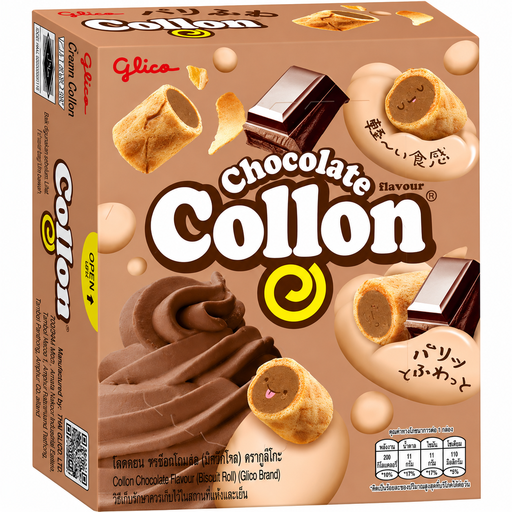 Image unavailable
The 41 g pack makes it easy to plan how much to have with your coffee. If reducing sugar is your priority, compare the figures per 100 g with those for a biscuit you usually buy. Also check the allergens on the packaging.
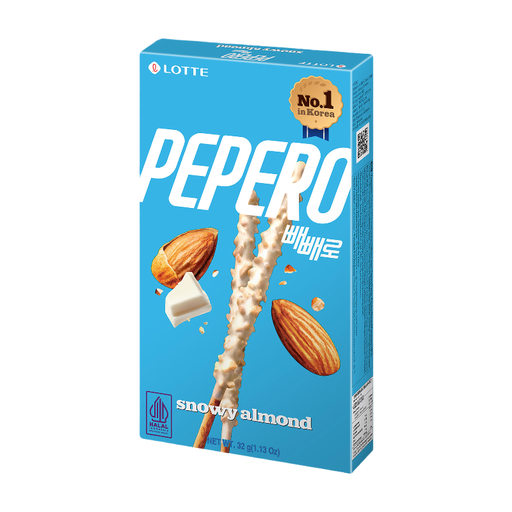 Image unavailable
This 32 g pack is a handy choice for a break when you want to decide how many biscuit sticks to have. The product description says they’re coated in white chocolate and contain almonds. Check the label if allergens are a concern, and compare the sugars per 100 g before judging the recipe.
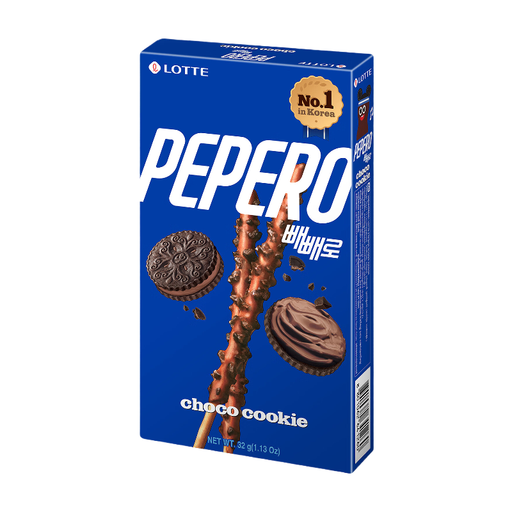 Image unavailable
The 32 g pack gives you a useful guide to how many chocolate biscuit sticks to have with your coffee. It isn’t enough to show that the recipe contains less sugar than another biscuit; check the figure per 100 g and the allergens listed on the pack.
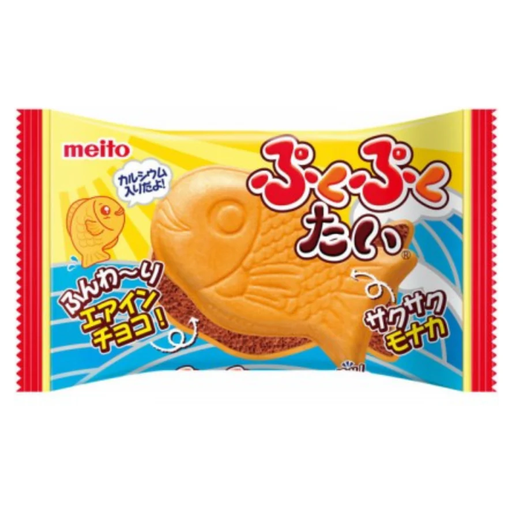 Image unavailable
This 16.5 g pack helps you plan a portion for your coffee break if you’d prefer a wafer. The pack weight alone doesn’t tell you whether the product contains less sugar: compare the figures per 100 g and check the allergens on the packaging.
Compare the ‘of which sugars’ figures per 100 g for similar biscuits, then take into account the portion you’ll have with your coffee. Anses notes that sugars can also appear under different names in the ingredients list, including in the form of syrups.
No. This claim doesn’t replace the total ‘of which sugars’ figure. To find out whether a product contains less sugar than a specific classic biscuit, compare their nutrition information on the same per-100 g basis.
Check the packaging of the exact product for any allergens that concern you. Depending on the product, the chocolate biscuit recipes listed by Carrefour and Joybuy include wheat, milk, soya or nuts. This list isn’t a substitute for checking the label on the product you buy.
No. The order published on Légifrance describes it as additional nutrition information recommended by the French government. If it appears on the pack, you can read it alongside the nutrition declaration and ingredients. Its absence doesn’t tell you whether the biscuit is a good choice.
No. The French General Tax Code, published on Légifrance, applies to drinks and liquid preparations for drinks, not solid chocolate biscuits. It’s therefore not a useful criterion for comparing their sugar content.