People keeping an eye on added sugars
You want to check the wording on the pack and the ingredients list, without confusing no added sugars with no sugars at all.


If you want to avoid added sugars, start by checking the exact wording on the pack, then look at the ingredients and the ‘sugars’ line in the nutrition information: ‘no added sugar’ does not mean ‘sugar-free’. To plan breakfasts for the week, choose between ready-to-serve flakes and oats that need preparing, taking into account pack weight, household portions and allergens.
You want to check the wording on the pack and the ingredients list, without confusing no added sugars with no sugars at all.
You compare pack weights and ways to serve the cereal so you can plan quantities to suit your household.
You prioritise these features while checking the sugars, ingredients and allergens of each product separately.
Start with your main priority, then compare products using their labels and the quantities you’ll need for the week.
| Criteria | What to check | Who is it for? |
|---|---|---|
| Added sugars | The exact wording, ingredients and sugars per 100 g. According to the DGCCRF, nutrition information shown per 100 g makes it easier to compare products. | If my main aim is to avoid added sugars, I need to be able to distinguish this claim from a complete absence of sugars. Around 40% of consumers make this their top priority. |
| Enough for the week | The net weight and the portions your household actually eats; a 200 g pack and a 450 g pack won’t necessarily meet the same needs. | To avoid running out of cereal before your next shop, I count how many breakfasts I need to plan for. This is the main priority for around 30% of consumers. |
| Fibre and wholegrains | The nutrition information and ingredients for the specific product, including its sugars and allergens. | I can prioritise fibre or wholegrains, but I shouldn’t assume the product is also free from added sugars. This is the top priority for around 30% of consumers. |
These claims refer to different things. The Jordans Almonds, Hazelnuts and Seeds Granola reviewed is described as ‘low in sugar’, while Terres & Céréales Bio buckwheat flakes carry the claim ‘no added sugar’.
If avoiding added sugars is your priority, check the claim on the product you choose and read its ingredients list.
These are separate criteria: the ingredients list for Kellogg's All-Bran Fibre Plus, as shown by Carrefour, includes sugar.
Read the ingredients and check the ‘sugars’ per 100 g, even if the pack highlights its fibre content.
A short ingredients list doesn’t tell you whether traces may be present. The Carrefour Bio corn flakes product information warns of several possible traces, while the Jordans granola mentioned contains almonds and hazelnuts.
If you need to avoid an allergen, check the information on the pack you buy.
The Terres & Céréales Bio buckwheat flakes reviewed come in a 200 g pack, compared with 450 g for the brand’s corn flakes. So one pack of each product won’t give you the same quantity.
Estimate how much your household eats before deciding how many packs to add to your shopping list.
An organic corn flakes product to consider if you’re looking for the claim ‘no added sugar’.
Corn or buckwheat flakes to consider if you’re looking for a short ingredients list.
Quaker Oats is worth considering if you prefer a wholegrain oat base.
A range to consider if you’re thinking of granola rather than flakes or plain oats.
All-Bran Fibre Plus may suit you if you’re looking for fibre, but that alone doesn’t make it a no-added-sugar option.
A range to check product by product if wholegrains are one of your priorities.
A retailer whose cereal range you can compare while planning your shop.
These oat-based products may suit you if you want a base you can prepare for several breakfasts. If you’re looking for a ‘no added sugar’ claim, check the specific product, along with its ingredients and nutrition information.
 Image unavailable
Worth considering if you want to make breakfasts with oat flakes. The pack contains 500 g; work out how many packs you’ll need based on household portions, and check the sugar claim on the packaging.
 Image unavailable
Another oat flakes option for planning breakfasts you’ll prepare at home. The pack contains 500 g; compare its ingredients list and allergens, and work out how many portions you’ll need for the week.
 Image unavailable
Worth considering if you prefer oat flakes as a breakfast base. This 500 g pack should be considered in light of how much your household eats; check the information for this product rather than another Quaker product.
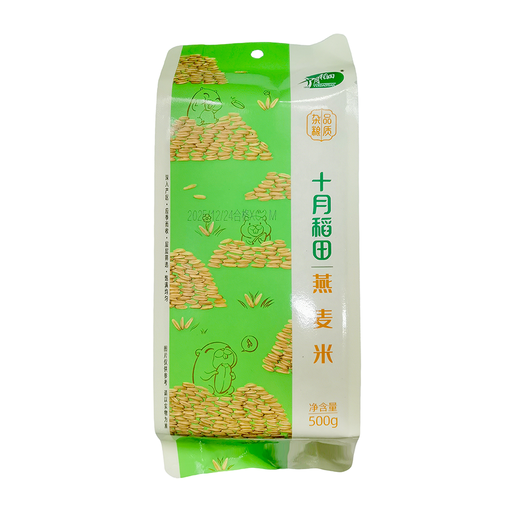 Image unavailable
Worth considering if you’d rather prepare oat groats than serve flakes. The pack contains 500 g; check the preparation instructions before adding it to your weekday breakfasts.
No. Carrefour’s product information for Terres & Céréales Bio buckwheat flakes explains that a product labelled ‘no added sugar’ may still contain naturally occurring sugars. Check the ‘sugars’ per 100 g too.
Compare their nutrition information per 100 g, then read the ingredients and allergen information. The DGCCRF says that nutrition declarations shown per 100 g make it easier to compare prepacked foods.
No. Carrefour’s product information for Kellogg's All-Bran Fibre Plus lists sugar among its ingredients. If both criteria matter to you, check each one separately on every product.
Yes. A sugar claim tells you nothing about allergens. Carrefour Bio corn flakes product information warns of possible traces, while the information for Jordans Almonds, Hazelnuts and Seeds Granola lists nuts, among other ingredients. Check the label on the product you buy.