People putting together high-protein meals
If sweetcorn is part of a salad or hot dish, treat it as a side rather than your main source of protein. The Bio Village product featured by E.Leclerc provides 2.9 g of protein per 100 g drained.


No added sugar canned sweetcorn can be a useful side if you want to avoid added sugar, but don’t rely on it as your main source of protein. The sweetcorn products featured here provide around 2.7 to 2.9 g of protein per 100 g drained. Compare protein, sugars and salt on the same basis; ‘no added sugar’ does not mean ‘sugar-free’ or ‘reduced sugar’.
If sweetcorn is part of a salad or hot dish, treat it as a side rather than your main source of protein. The Bio Village product featured by E.Leclerc provides 2.9 g of protein per 100 g drained.
‘No added sugar’ refers to how the product is made, not to having zero sugar: the nutrition information still lists naturally occurring sugars. Bonduelle makes this clear for its product sold by Auchan.
If salt is a factor in your choice, check the ingredients and the ‘salt’ line. The Géant Vert product featured by Carrefour is described as containing organic sweetcorn and water, with no added salt.
When putting together a high-protein meal, first check what the sweetcorn actually contributes, then compare sugars and salt. Use the same 100 g drained basis wherever the label provides it.
| Criteria | What to check | Who is this for? |
|---|---|---|
| Protein in your meal | Check the protein per 100 g drained and plan a separate main protein source for your meal. | If I’m putting together a high-protein meal, I don’t want to count sweetcorn as its main protein source. Around 46% of consumers would prioritise this need. |
| Added sugars and declared sugars | Check the ingredients list and the ‘no added sugar’ claim against the ‘of which sugars’ line per 100 g drained. | When choosing a side with no added sugar, I also need to know how much sugar it naturally contains. This would be the main concern for around 36% of consumers. |
| Salt and ingredients | Compare the ‘salt’ line on the same basis and check whether the recipe contains added salt. | When salt matters just as much in my choice, a no added sugar recipe isn’t enough to decide. Around 18% of consumers would prioritise this criterion. |
No added sugar doesn’t remove the sugars that occur naturally in sweetcorn. E.Leclerc lists 4.9 g of sugars per 100 g drained for its Bio Village product. ‘Reduced sugar’, on the other hand, refers to a separate comparison governed by EU regulations.
Check the exact claim, the ingredients and the ‘of which sugars’ line. If the packaging claims a reduction, check which similar product it is being compared with.
The sweetcorn products featured here provide around 2.7 to 2.9 g of protein per 100 g drained. A ‘no added sugar’ claim tells you nothing about their protein content.
Use sweetcorn as a side and choose a separate protein source to suit the meal you have in mind.
E.Leclerc lists 0.4 g of salt per 100 g drained for Bio Village, while the Géant Vert recipe featured by Carrefour does not list any added salt.
If this matters to you, compare the ‘salt’ line on the same basis rather than relying solely on the ‘no added sugar’ claim.
The tin’s weight includes the covering liquid. A value given for the drained product can’t be directly compared with one calculated on a different basis.
Check the net drained weight and the basis used for the nutrition information before comparing two products or choosing a pack size.
These sweetcorn products offer useful points of comparison when checking labels; their inclusion here does not mean they are available on Joybuy.
The range includes ‘no added sugar’ sweetcorn, including a recipe made with sweetcorn, water and salt.
Carrefour offers organic ‘no added sugar’ sweetcorn in a pack of three tins, each with 140 g net drained weight.
E.Leclerc offers no added sugar organic sweetcorn in a 2 × 140 g pack.
This E.Leclerc Marque Repère range includes crunchy ‘no added sugar’ sweetcorn in tins and multipacks.
Auchan offers organic no added sugar sweetcorn kernels in a 2 × 140 g pack.
These two products are canned baby corn. If you’re considering them as a side for a high-protein meal, check their labels: the figures for sweetcorn mentioned above don’t directly apply to them.
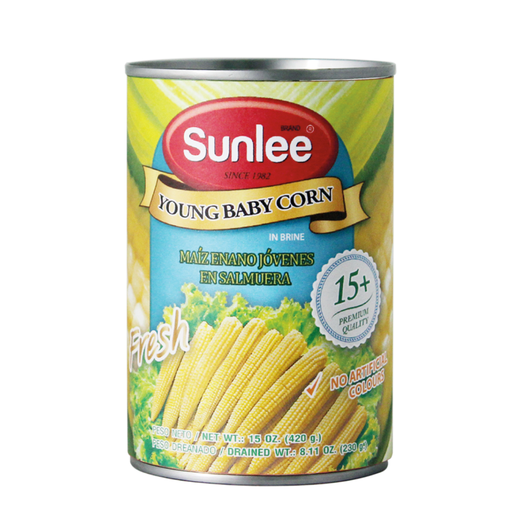 Image unavailable
This baby corn could be served as a side. The stated pack size is 420 g; to compare its sugars and protein with other canned products, check whether the label gives values for the drained product. Don’t assume the product name means it is ‘reduced sugar’.
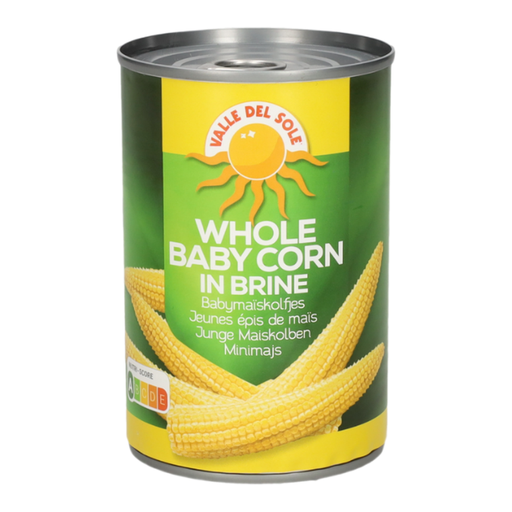 Image unavailable
This baby corn can be served alongside a meal. Its name indicates a 400 g pack size; before comparing its nutrition values with those for sweetcorn, check the basis used on the label. Also check for any reduced sugar claim rather than assuming one applies.
No: sweetcorn can contain naturally occurring sugars. Bonduelle makes this clear for the product featured by Auchan, while E.Leclerc lists 4.9 g of sugars per 100 g drained for Bio Village. Check the ‘of which sugars’ line to find the declared amount in the product you choose.
Don’t rely on the sweetcorn products featured here for this: they provide around 2.7 to 2.9 g of protein per 100 g drained. Sweetcorn can accompany a meal, with its main protein source chosen separately.
No: ‘no added sugar’ means that no sugars have been added, while ‘reduced sugar’ describes a comparison with a similar product. The European Commission treats these as distinct nutrition claims. Check the claim actually shown on the packaging and the stated comparison; don’t assume one means the other.
Follow the instructions for the product you buy. For its no added sugar sweetcorn, Bonduelle advises storing it at a maximum of 4 °C and consuming it within 48 hours of opening.