Hosts catering for several guests
If one bottle needs to serve several people, check the volume and everyone’s preferences on pulp. Carrefour, for example, offers a 2 L bottle of Extra orange juice with no pulp.


For a brunch, start by choosing the fruit, deciding whether you want pulp and picking a pack size to suit the number of guests. Then compare the ‘of which sugars’ figure per 100 ml: ‘no added sugar’ doesn’t mean the juice is sugar-free. If you’re preparing everything in advance, check the storage instructions for each bottle too.
If one bottle needs to serve several people, check the volume and everyone’s preferences on pulp. Carrefour, for example, offers a 2 L bottle of Extra orange juice with no pulp.
Carrefour Extra 3 Agrumes combines orange, blood orange and pink grapefruit, with orange pulp. You’ll need to make room in the fridge: Carrefour recommends storing it between 0 °C and +6 °C.
An apple or mixed fruit juice can complement orange juice. Auchan’s Tropicana apple and Joker grapefruit recipes offer two different flavour profiles; check the fruit listed on each bottle.
When planning your buffet, start with your guests’ tastes and the number of glasses you’ll need, then compare the labels on a consistent per-100 ml basis. Remember that the product description and the ‘no added sugar’ claim are two different things.
| What to consider | What to check | Who is it for? |
|---|---|---|
| Sugars present | As well as the ‘no added sugar’ claim, check the ‘of which sugars’ figure per 100 ml. | If I’m looking for this claim, I also want to know how much sugar the juice I’m serving contains. Around 36% of consumers rank this check as their top concern. |
| Volume and leftovers | Compare pack sizes and storage instructions after opening against the number of glasses you expect to serve. | When I’m hosting several people, I’d rather have enough juice without opening more bottles than necessary. Managing the quantity is the top priority for around 29% of consumers. |
| Fruit, pulp and storage | Check which fruits are used, whether there’s pulp and the recommended storage temperature. | I’d like to offer flavours my guests will enjoy, while being able to keep the bottles chilled if needed. Choosing the recipe and checking how to store it comes first for around 21% of consumers. |
| Type of drink | Check the product description — juice, juice from concentrate or nectar — and the ingredients list. | If I want to buy juice rather than nectar, the front of the bottle isn’t enough to help me decide. Around 14% of consumers prioritise checking exactly what type of recipe it is. |
Juice can still contain the sugars naturally found in fruit. For example, Auchan’s product listings give the sugar content as 10 g per 100 ml for Tropicana apple and 9.5 g per 100 ml for Joker grapefruit.
To compare two bottles, check the ‘of which sugars’ figure in the nutritional information per 100 ml.
These descriptions don’t necessarily refer to the same recipe. Carrefour Classic’ mixed fruit nectar, for example, contains water and is labelled as having a minimum fruit content of 75%.
Check the product description and ingredients before choosing which type of drink to serve.
Carrefour says to store its Extra 3 Agrumes juice between 0 °C and +6 °C. Bear this in mind if you’re preparing the brunch in advance.
Check the temperature stated on the bottle and plan how you’ll store it until serving.
The apple recipe featured by Auchan is an option for guests who would rather skip the citrus.
The grapefruit recipe featured by Auchan gives you an alternative to plain orange juice.
Carrefour’s product listings feature several different brunch-friendly recipes, including orange juice with no pulp and a three-citrus blend with pulp.
These Joker bottles offer apple and mixed fruit options to add variety to your brunch drinks. Before serving, check the exact product description, ingredients and nutritional information on each pack.
 Image unavailable
A mixed fruit bottle to consider when serving several guests. The title gives the pack size as 1,5 L and describes the recipe as having no added sugar; check the ‘of which sugars’ figure on the packaging.
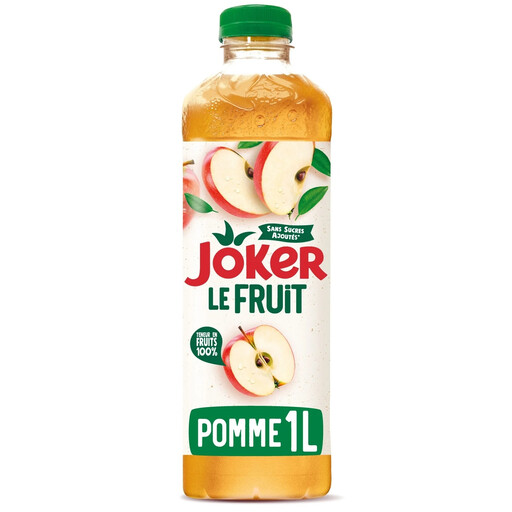 Image unavailable
A 1 L apple option to complement citrus juices. Check the wording on the label about sugars, as well as the ‘of which sugars’ figure per 100 ml.
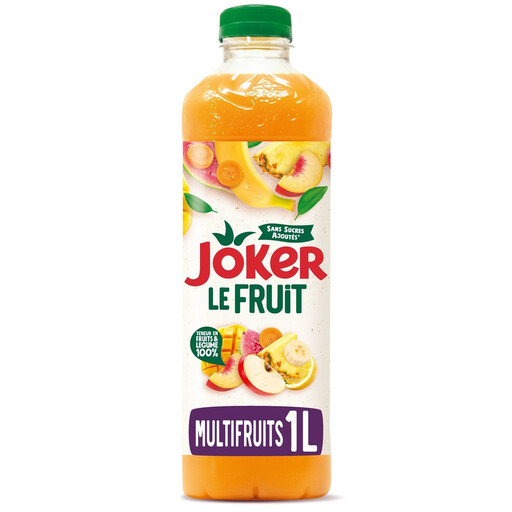 Image unavailable
A 1 L bottle to consider for adding variety to the buffet. The listed ingredients also include carrot, so check the label if you’re looking for a drink made exclusively from fruit.
 Image unavailable
Another 1 L recipe to add variety to your brunch. It also contains vegetables, including carrot, so check the product description and ingredients if you want to serve fruit juice only.
No. Sugars naturally present in fruit may still be in the juice. To find out how much a bottle contains, check the ‘of which sugars’ figure in the nutritional information per 100 ml.
Compare their nutritional values on the same basis, per 100 ml, then choose a pack size to suit the number of guests. The DGCCRF states that nutritional information on pre-packed foods is given per 100 g or 100 ml to make comparisons easier.
No. Check the product description and ingredients first. Carrefour’s Carrefour Classic’ mixed fruit nectar, for example, contains water and is labelled as having a minimum fruit content of 75%: it is not the same recipe as pure juice.
Yes, as long as you follow the storage instructions for each product. Carrefour recommends storing its Extra 3 Agrumes between 0 °C and +6 °C. Once opened, Auchan’s Tropicana apple listing says to store it at no more than 7 °C and consume it within five days.