Which cyclists are they for?
When you plan to eat the product affects which criteria matter: a snack when you’re not exercising and fuel to eat while riding may not meet the same needs.
Long or strenuous rides
If you plan to eat during your ride, check how many carbohydrates you’ll get from the amount you’re actually taking with you. The format, how much chewing it requires and your tolerance also matter: a review published in Nutrients recommends trying foods in training before using them in competition.
Snacks and breakfasts when you’re not exercising
If your priority is to limit added sugars in your day-to-day diet, compare the ingredients list and nutritional information per 100 g, then check the portion you’ll eat. Check the allergens on the packaging of the product you choose.
Shopping at supermarkets
‘Sugar-free’ and ‘no added sugars’ sections can help you spot products, but they include different categories. Distinguish between biscuits, crispbreads and bars before comparing their labels and considering how you might use them on a bike ride.
What should you check?
First decide whether the food is for a snack when you’re not exercising or to eat during your ride. In the latter case, the amount of carbohydrates per serving and whether you can eat the product in the conditions you expect to encounter become key factors.
| Consideration |
What to check |
Who is this for? |
| Carbohydrates during your ride |
Carbohydrates per serving taken with you and the amount you might eat. |
On a strenuous ride, I first look for fuel I can fit into my planned intake. Around 36% of consumers prioritise this carbohydrate intake. |
| Added sugars when you’re not exercising |
Ingredients, sugars and carbohydrates per 100 g, then per serving eaten. |
For a snack well before or after exercising, limiting added sugars may be my main criterion, but the claim on the pack alone doesn’t tell me everything about the product. This is the priority for around 29% of consumers. |
| Portability and tolerance |
Format, allergens and trying the product in conditions similar to your ride. |
If I need to eat on the way, I want to be able to carry and eat the food without discovering at the last minute that it doesn’t suit me. Practicality and tolerance come first for around 21% of consumers. |
| Choice in store |
The exact product category and the label of the product you choose. |
For my regular shopping, I’m mainly looking for an option that’s easy to spot among the retailer’s range. Around 14% of consumers put ease of finding the product first. |
To put fuelling during exercise into context, a 2015 article in Nederlands Tijdschrift voor Geneeskunde states an intake of 30 to 60 g of carbohydrates per hour for exercise lasting 1 to 2.5 hours. This guidance alone doesn’t tell you how many biscuits to take on a particular ride: start with the product’s nutritional values and how you plan to use it.
Brands and retailers to explore
These names are starting points for looking up specific products, not guarantees about their ingredients or suitability during a ride.
LU
LU showcases a general range of biscuits on its French website.
- A starting point for comparing biscuits for a snack or breakfast.
- Check the recipe of the product you choose before considering it no-added-sugar or suitable for a ride.
St Michel
St Michel showcases, among other things, galettes, madeleines and other baked treats. The brand says it makes its products in France at its own factories.
- A range of product types to distinguish when looking for a snack.
- Where a product is made doesn’t tell you whether it contains added sugars or is suitable to eat during exercise.
BN
BN showcases, among other products, chocolate-filled biscuits and its BN Sensation range.
- Packaged biscuits to consider if you’re looking for a snack.
- Check the carbohydrates, sugars, fat and allergens in the specific recipe.
Carrefour
Carrefour lists food products, including a Pasquier crispbread described as having no added sugars.
- The listings help you identify the category and details of the product you’re looking for.
- Crispbread isn’t the same as a biscuit: compare products that are genuinely suited to the purpose you have in mind.
E.Leclerc
E.Leclerc showcases, among other products, crispbreads with no salt or added sugars, and reduced-sugar breakfast biscuits.
- These two categories let you compare different nutritional claims.
- ‘Reduced sugar’ and ‘no added sugars’ describe different characteristics; check the exact product listing.
Auchan
Auchan has a ‘sugar-free/no added sugars’ section featuring biscuits and cakes from a range of brands.
- The section helps you spot products to check.
- Check the category, ingredients and nutritional values of each product rather than relying on the filter.
Products available on Joybuy
This selection includes a crispbread for a snack when you’re not exercising, a bar to consider for fuelling, and biscuits and crispbreads to compare for eating around your ride. Their categories and packaging claims are not interchangeable.
 Image unavailable
KRISPROLLS wholegrain crispbreads with no added sugars, 425 g
Worth considering for a snack when you’re not exercising if you’re looking for this claim. These are crispbreads rather than traditional biscuits; check the portion you’ll eat, the nutritional values and allergens before taking them on a bike ride.
View on Joybuy
 Image unavailable
CLIF BAR Blueberry, 12 x 68 g bars
This energy bar, rather than a biscuit, can be compared with the foods you’re considering for a strenuous ride. Check the carbohydrates per bar and the allergens on the packaging, then try the planned amount in training.
View on Joybuy
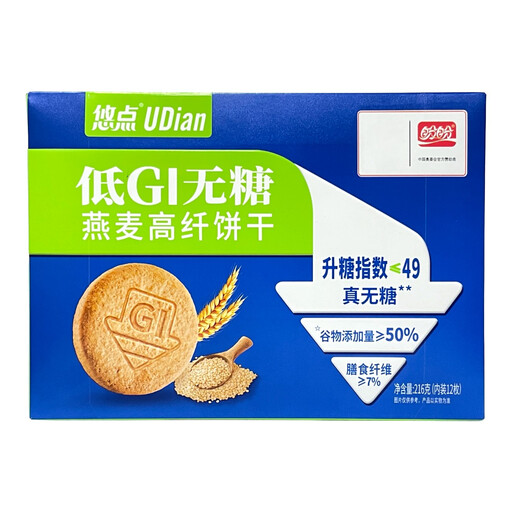 Image unavailable
Panpan Low GI Sugar-Free oat biscuits, 216 g
These biscuits can be compared as a snack, but ‘Sugar-Free’ in the name doesn’t tell you their sugar content. The information for this product lists sugars per 100 g, so check the label before choosing it on this basis. The recipe also contains maltitol; try it before planning to eat it on a bike ride.
View on Joybuy
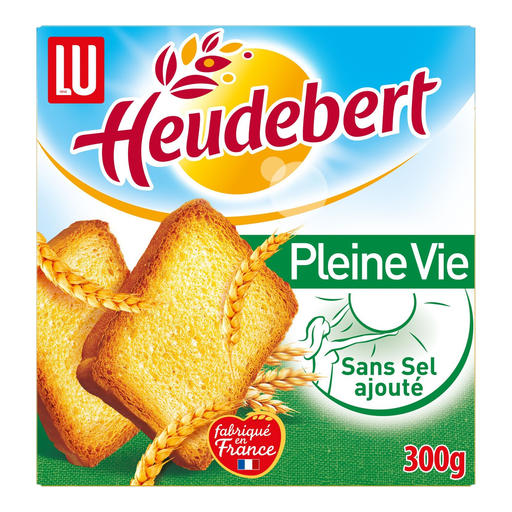 Image unavailable
LU Heudebert unsalted crispbreads, 300 g
These crispbreads are worth considering for breakfast, but they are not no-added-sugar biscuits: the ingredients listed for this product include glucose-fructose syrup. If you’re considering them to eat around a ride, check the portion, the carbohydrates it provides and the allergens on the packaging.
View on Joybuy
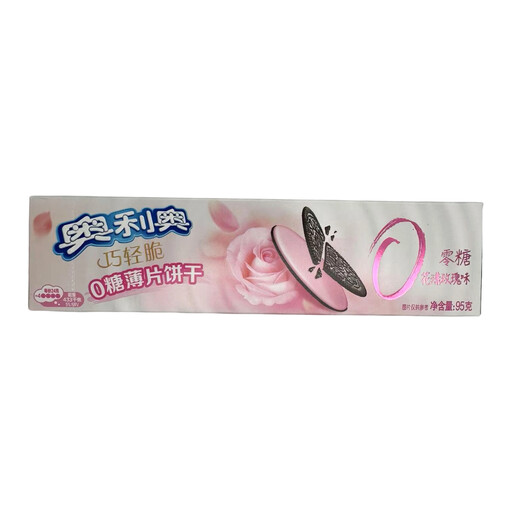 Image unavailable
Oreo Zero Sugar Thin, rose flavour, 95 g
‘Zero Sugar’ appears in the name of this variant, but the information for this product lists sugar among the ingredients and in the nutritional values. Don’t assume it’s sugar-free based on the name alone; compare the ingredients list and values per 100 g with the packaging.
View on Joybuy
Frequently asked questions
Is Nutri-Score compulsory on biscuits in France?
No. According to the DGCCRF, Nutri-Score is a voluntary label in France, while a nutrition declaration is compulsory for most prepacked foods. So, even if the logo isn’t there, you can still check the biscuit’s nutritional information.
Is a no-added-sugar biscuit automatically suitable for a bike ride?
No: this claim doesn’t tell you how many carbohydrates your portion provides or how easy the biscuit is to eat while riding. For a strenuous ride lasting 1 to 2.5 hours, the article published in Nederlands Tijdschrift voor Geneeskunde refers to 30 to 60 g of carbohydrates per hour. Check how much the product actually contributes and try it in training.
What should you check if the nutritional values are given per 100 g?
First compare products on the same basis, then work out the carbohydrates, sugars, fat and any other relevant values for the amount you plan to eat. Also check the ingredients list and allergens for the exact product.
How should you try a biscuit you’re planning to take on a long ride?
Try the portion you have in mind during training, in conditions similar to those in which you plan to eat it. A review published in Nutrients recommends trying sources of carbohydrates in training before using them in competition. Also check that the product is easy to carry and eat as planned.
Does ‘no added sugars’ mean the biscuit contains no sugar at all?
Don’t infer the total sugar content from this claim alone. The DGCCRF notes that nutrition claims are regulated: check the ‘of which sugars’ line in the nutritional information and the ingredients list for the specific product.


