People organising a family picnic
If you’re serving several people, you can choose between a 1 L carton to share and individual portions. Also think about what you’ll do with any juice left after opening.


For a picnic in the park, choose individual portions if everyone needs to help themselves without a cup, or a 1 L carton if you plan to share the juice and refrigerate any leftovers. ‘No added sugar’ does not mean ‘sugar-free’: also check the product description, ingredients and the ‘of which sugars’ line in the nutrition information.
If you’re serving several people, you can choose between a 1 L carton to share and individual portions. Also think about what you’ll do with any juice left after opening.
If you’re looking for a product labelled ‘no added sugar’, still compare the ‘of which sugars’ line: apple juice contains sugars that occur naturally in the fruit.
Pure juice, juice made from concentrate and nectar are not the same recipe. If this distinction, or an organic label, informs your choice, check the product description and ingredients for the option you’re considering.
First decide how you’ll serve the juice in the park, then check what it contains and what to do if you don’t finish the carton.
| Criteria | What to check | Consumers concerned |
|---|---|---|
| Size and portions | Compare a carton to share with individual portions, such as a pack of 6 × 20 cl, and bring cups if needed. | At the park, I want everyone to be able to take their own portion without pouring from a shared bottle. Around 36% of consumers put ease of serving above all else. |
| Sugars present | Read the claim on the front and the ‘of which sugars’ line per 100 ml; also consider how much you plan to serve. | I’m looking for no added sugar, but I also want to know the amount of sugars listed for the juice I choose. This is the top priority for around 29% of consumers. |
| Type of recipe | Look for the legal product description: pure juice, juice made from concentrate or nectar. For nectar, also check the fruit content and ingredients. | If I want a specific recipe, I don’t want to mistake nectar for juice based on the same front-of-pack claim; around 21% of consumers put this distinction first. |
| Volume and leftovers | Estimate how much will be drunk and check the storage instructions for after opening. | I’d rather take an amount the group can finish, or be able to store any leftovers properly. Managing leftovers comes first for around 14% of consumers. |
This claim doesn’t remove the sugars naturally present in apples. For fruit juices, the DGCCRF distinguishes the statement about naturally occurring sugars from added sugars.
To compare two products, check the ‘of which sugars’ amount per 100 ml in the nutrition information and take the serving size into account.
The product description changes how you should understand the recipe. The product details for Cidou organic apple nectar state that it contains at least 85% fruit, as well as water and citric acid: it isn’t pure juice.
Check the legal product description and ingredients before choosing according to your recipe preference.
A 1 L size makes sharing easier, but you may have some left at the end of the picnic. The product details for Auchan, Tropicana pomme douce and Cidou say to refrigerate after opening and consume within five days.
Choose a volume that suits your group; for any leftovers, follow the instructions on the packaging of the product you take with you.
If you can’t take the opened carton home and refrigerate it, some of the juice may go to waste.
The 1 L Le Fruit product is labelled ‘no added sugar’ and described as apple juice made from concentrate.
The range includes a 1 L apple juice labelled ‘no added sugar’ and a pack of 6 × 20 cl apple juice cartons.
The 1 L product labelled ‘no added sugar’ is apple juice made from concentrate.
The range offered by E.Leclerc includes organic pure apple juice and organic apple juice made from concentrate, both in 1 L sizes.
The 1 L pomme douce product is presented as apple juice labelled ‘no added sugar’.
The 1 L organic product labelled ‘no added sugar’ is apple nectar made from concentrate, not juice.
These 1 L cartons are worth considering if you plan to serve several people in the park. Bring something to pour the juice into, and check the label of each product to confirm the recipe, sugar claim and storage instructions after opening.
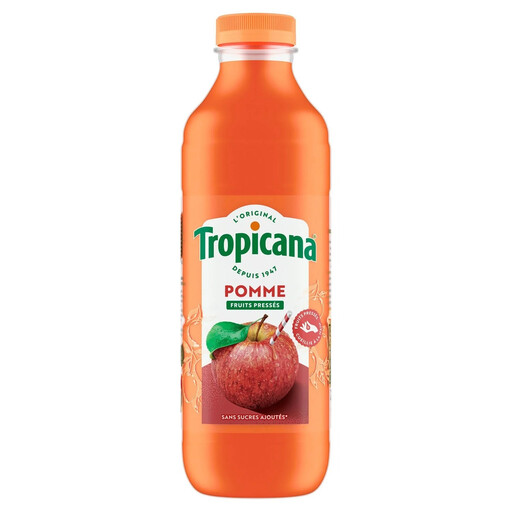 Image unavailable
The 1 L carton can be shared at a picnic if you bring cups.
The product name describes it as pressed French apple juice. Check the packaging for the sugar claim and storage instructions after opening.
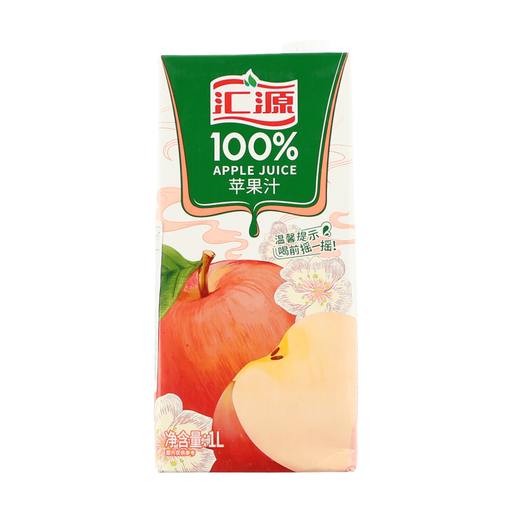 Image unavailable
This 1 L size can be served to several people rather than handed out in individual portions.
If you’re specifically looking for apple juice with no added sugar or a particular type of juice, check the product description, ingredients list and nutrition information on the packaging.
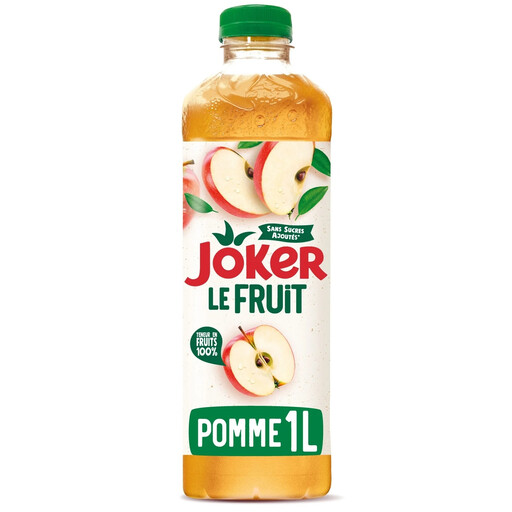 Image unavailable
The 1 L carton could work well for sharing in the park if you bring cups.
For this product, check the ‘of which sugars’ amount per 100 ml on the packaging, along with the instructions for storing any leftovers after opening.
No: the juice still contains sugars that occur naturally in apples. The DGCCRF distinguishes these naturally occurring sugars from added sugars. To find out the amount in a specific product, check the ‘of which sugars’ line per 100 ml in its nutrition information.
The legal product description tells you the difference. The Joker and Auchan products described here are juices made from concentrate; the Cidou organic product is nectar made from concentrate. Its product details state that it contains at least 85% fruit, as well as water and citric acid. Check the description of the specific product before taking it with you.
Follow the storage instructions on the packaging. The product details for Auchan, Tropicana pomme douce and Cidou say to refrigerate after opening and consume within five days. If you can’t manage the leftovers, choose an amount the group can finish instead.