
Livraison le jour même ou le lendemain

Qualité garantie

Débloquez vos offres de bienvenue: Livraison GRATUITE | Jusqu'à -80 % | 30 jours d'essai gratuits à JoyPlus
Téléchargez l'application
Kitchen, cleaning, DIY, or professional use: single-use protective gloves are everywhere. But faced with overcrowded shelves, it's hard to navigate the options and make the right choice. A glove that tears the moment you put it on, a surprise allergic reaction, or illusory protection against household chemicals... these scenarios are unfortunately all too common.
As a Product Expert at Joybuy, I'm here to help you see things more clearly. Let's cut through the marketing jargon and get straight to the point. This guide breaks down the 3 most common pitfalls when buying disposable gloves and gives you the keys to choosing the model that's perfectly suited to your needs.
The disposable glove market is full of promises that aren't always kept. Here are the most common traps that could cost you time and money.
To avoid falling into these traps, simply check 3 key criteria before you head to the checkout.
The choice of material is the number one criterion. It determines the resistance, flexibility, and possible uses for your gloves.
Every task needs the right glove. The certification must match your specific needs.
A poorly fitting glove is a useless glove. If it's too tight, it will tear and cause hand fatigue. If it's too loose, it will reduce your sensitivity and may slip off. Most brands provide a size guide on their packaging, based on palm width. Take the time to measure yours to choose between S, M, or L. Also, consider opting for powder-free gloves, which are now the standard for limiting the risk of irritation and contamination.
To put theory into practice, here is our selection of gloves for three distinct user profiles.
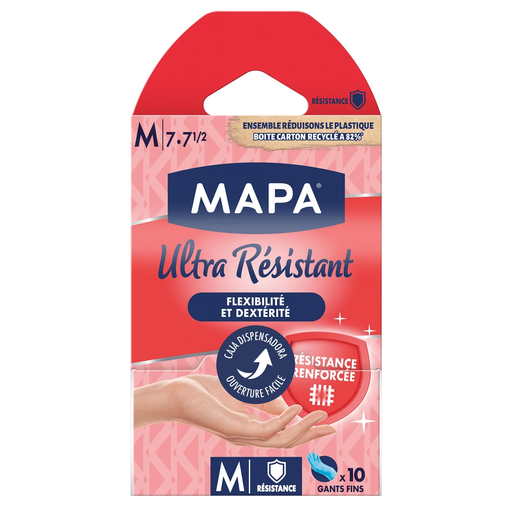
Why we chose it: Ideal for juggling bathroom cleaning and small DIY projects. Its nitrile composition ensures reliable protection for a multitude of household tasks, without needing to switch gloves in between.
It counters the vague "resistance" trap by relying on nitrile, a material renowned for its superior toughness over vinyl. A choice based on facts, not marketing.
The combination of nitrile and textured fingers offers an excellent duo of resistance and grip, suitable for a host of activities.
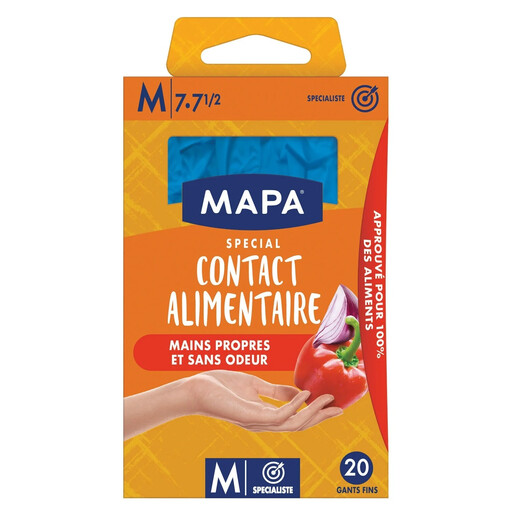
Why we chose it: Perfect for meal prep, from peeling vegetables to handling meat or fish. Here, safety is the top priority.
It avoids the trap of ambiguous food compliance. The claim "certified for contact with all types of food," backed by lab tests, offers a clear and unequivocal guarantee.
Its comprehensive certification for all food contact ensures impeccable hygiene and safety in the kitchen, letting you cook with peace of mind.
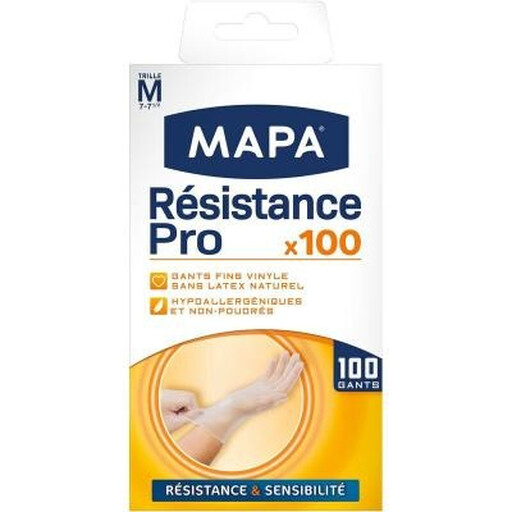
Why we chose it: For those who use gloves frequently for short, low-risk tasks (quick clean-ups, serving...). The 100-glove format offers unbeatable value for money.
This product doesn't overpromise. By choosing vinyl for light tasks, you're making a smart, economical choice that's perfectly aligned with the material's limitations, without paying for resistance you don't need.
Its economical 100-count box is ideal for frequent use, while its thinness preserves good tactile sensitivity.
We have selected a full range of products that meet our strict selection criteria and current regulations.
1. What is the price difference between nitrile and vinyl gloves?
As a general rule, vinyl gloves are more economical than nitrile gloves. This difference is due to the cost of raw materials and manufacturing processes. Since nitrile offers superior performance in terms of resistance and elasticity, its cost is logically higher. For low-risk, short-duration tasks, vinyl remains a smart and budget-friendly choice.
2. How can I tell if disposable gloves are truly food-safe?
Look for the official "glass and fork" symbol on the packaging. It guarantees compliance with European regulations on food contact materials. For maximum safety, especially with fatty or acidic foods, check that the product description explicitly mentions suitability for "all types of food," a claim sometimes supported by independent lab tests.
3. Can nitrile gloves cause allergies?
Although nitrile gloves are an excellent alternative for people with latex allergies, a tiny fraction of users may be sensitive to the chemical accelerators used during manufacturing (a Type IV allergy). If you notice any irritation, look for gloves labelled "accelerator-free." Rest assured, for the vast majority of people, they remain a perfectly safe and hypoallergenic option.