
Livraison le jour même ou le lendemain

Qualité garantie

Débloquez vos offres de bienvenue: Livraison GRATUITE | Jusqu'à -80 % | 30 jours d'essai gratuits à JoyPlus
Téléchargez l'application
Whether it's to reassure a child, light up a hallway, or simply create a soft, ambient glow, the night light is a discreet yet indispensable accessory. However, with an overwhelmingly vast market, it's easy to make a mistake. A bad purchase guarantees light that disrupts sleep, batteries that drain in a flash, or a device that fails prematurely.
As the Head of Product Recommendations at Joybuy, my role is to help you navigate the options. Let's review the pitfalls to avoid and the essential criteria for finding the night lamp that will truly meet your needs.
Before you even start comparing models, it's crucial to be aware of the flaws that make many night lights impractical for daily use.
To make an informed choice, focus on these three parameters that make all the difference in terms of efficiency and user comfort.
Your intended use will determine the most suitable power source.
Automation is a real bonus for comfort and energy savings.
Not all light is created equal, especially at night.
To illustrate these criteria, here are a few models that meet specific needs while avoiding the classic pitfalls.
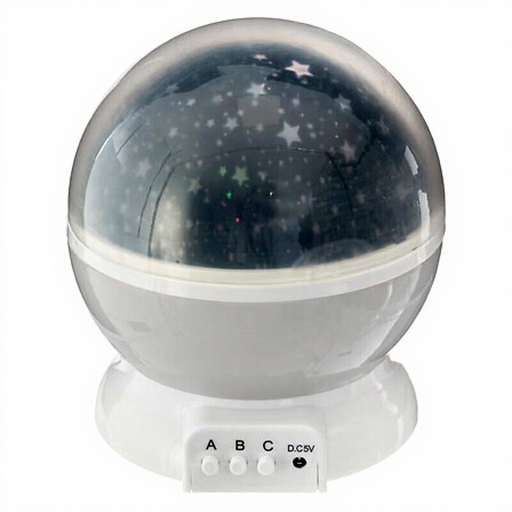
Why we love it: Ideal for parents looking to establish a soothing bedtime ritual. The projection of a starry sky onto the ceiling captures a child's attention and creates a magical, reassuring atmosphere that encourages sleep.
This model bypasses the problem of harsh, direct light. The projection is diffuse and soft, which prevents sleep disruption. Its mechanism is designed to be silent, a far cry from the noisy motors often found in entry-level projectors.
Rotating projection: The slow movement of the stars is captivating and helps to soothe the child. Battery-operated: Allows you to place it anywhere in the room, out of reach of little ones and without worrying about sockets.
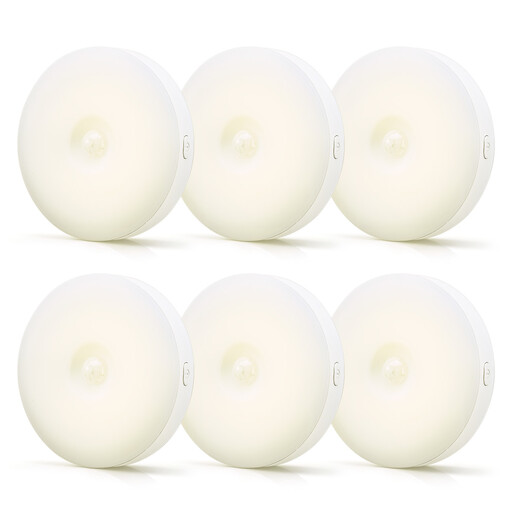
Why we love it: Perfect for affordably securing multiple areas (hallways, stairs, cupboards, toilets). Their wireless, rechargeable, and magnetic design offers maximum installation flexibility for light that only activates when needed.
This pack tackles energy waste head-on. Thanks to the PIR motion sensor, the lights only turn on when useful. The USB-rechargeable battery puts an end to spending on disposable batteries.
Versatile installation: Magnetic, adhesive, or hanging options. 3 colour temperatures: Lets you choose between warm, cool, or neutral light depending on the area. The 6-pack offers excellent value for money.
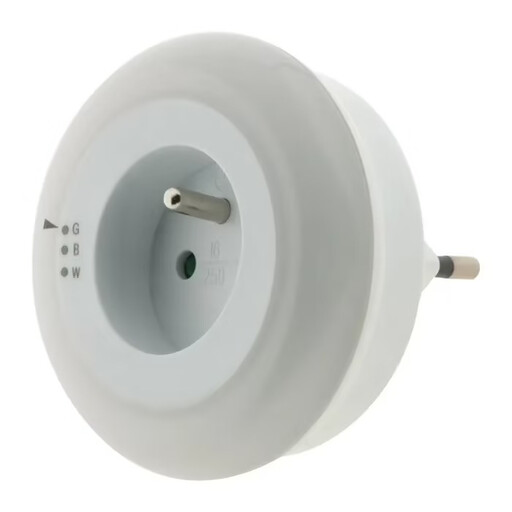
Why we love it: For those who want a "plug and forget" solution. This plug-in night light is perfect for permanent accent lighting in a living room or hallway, without ever monopolising the electrical socket.
It solves the problem of a blocked socket thanks to its pass-through design. Furthermore, its negligible consumption of just 0.5W and its dusk-to-dawn sensor make it an ultra-economical model, saving you from any nasty surprises on your electricity bill.
Pass-through outlet: Frees up the wall socket for other devices. Colour choice: A rotating ring allows you to select blue, green, or white light to suit the desired mood. Automatic operation: No manual intervention required.
Explore our full selection of night lights, all chosen for their reliability, efficiency, and compliance with European safety standards.
For a baby's or young child's room, the goal is to provide reassurance without disrupting their sleep cycle. Opt for a very soft, warm light. Experts agree on a brightness of less than 30 lumens and a warm colour temperature (below 3000K). The ideal choice is a model with adjustable brightness for perfect control.
Battery life varies greatly depending on the model and usage. It depends on the battery capacity (in mAh) and the selected mode. In "motion detection" mode, where the light only turns on intermittently, a single charge can last for several weeks. In "continuous on" mode, battery life is measured in hours (typically 8 to 20 hours). To be certain, always refer to the product's technical specifications.
No, the power consumption of an LED night light is negligible. A standard model uses between 0.3W and 1W. For comparison, that's 50 to 100 times less than a classic incandescent bulb. Even if it's on for 12 hours a night, 365 days a year, its impact on your electricity bill will only be a few dollars.